
On-Demand CE Training
ODL 366: Introduction to Court Testimony: What to Expect and How to Behave as an Expert Witness
Please make sure to check with your own state board to ensure the transferability of CE credit for an asynchronous course. Some state boards may place restrictions regarding the modality of training required for ethics credits to be awarded. If this training indicates ethics credits are available, please verify that your state allows them to be earned through an on-demand course format.
1 CREDIT HOUR APPROVED FOR:
Social Workers
ASWB ACE – 1 CE Credit
New York State Education Department’s State Board for Social Work – 1 Contact Hour
Psychologists
APA – 1 CE Credit
Counselors
NBCC ACEP – 1 Contact Hour
New York State Education Department’s State Board for Mental Health Practitioners – 1 Contact Hour
Addiction Professionals
NAADAC – 1 Contact Hour
Nurses
California Board of Registered Nursing – 1 Contact Hour
New York State Education Department’s State Board for Mental Health Practitioners – 1 Contact Hour
Case Managers
CCMC – 1 Contact Hour- EXPIRES 10/29/26
Created On: 11/6/25
Attention Case Managers ONLY: CCMC expires on this course on 10/29/26 and will not be renewed. Please complete before this date.
Target Audience:
This course is targeted for social workers, psychologists, counselors, nurses and case managers.
Counselor Skill Groups:
5. Documentation
8. Legal, Ethical and Professional Development
Overview:
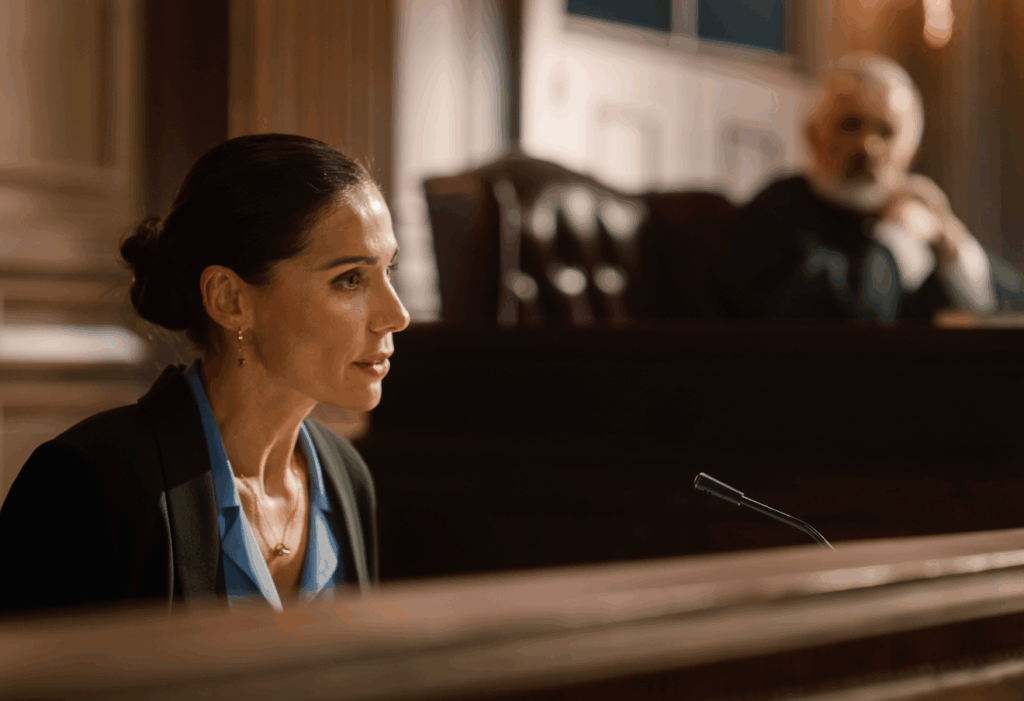
This 1-hour introductory course is designed to prepare licensed mental health professionals for the unique responsibilities of serving as an expert witness in legal proceedings. While most clinicians may never be summoned to testify, understanding the foundational aspects of courtroom protocol, legal terminology, and witness demeanor is critical. This course will provide an overview of the types of legal hearings where expert testimony may be requested, delineate the roles and expectations of courtroom participants, and outline professional conduct and ethical standards for expert witnesses. Participants will gain essential tools to navigate the courtroom confidently and competently, enhancing their ability to contribute to legal processes while reducing personal stress and maintaining professional integrity.
Course Objectives:
By the end of the session, the participant will be able to:
- Name the types of hearings where an expert may be used and explain the role of each member of the court process.
- Identify three principles of good testimony while serving as an expert witness.
- Describe the most common sequence of procedures in the court process.
Presenter:
Carl A. Bonacci, PhD, Clinical Psychology
Carl A. Bonacci, PhD, is a clinical psychologist with a background in forensic evaluations and court testimony. He has submitted more than 200 court-ordered reports and testified in both criminal and civil court hearings. Dr. Bonacci has been recognized as an expert in multiple jurisdictions including California, Arizona, federal territories, and military courts martial. In addition to forensics, Dr. Bonacci has a background in geriatric neuropsychology and behavioral management of cognitively impaired individuals. He has conducted neuropsychological assessments and consulted on challenging cases in nursing facilities, assisted living homes, and private clinics.