
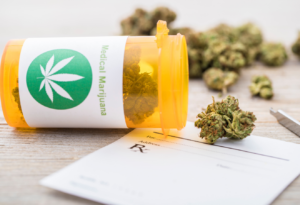
Every April 20th, public conversation around marijuana spikes, often focused on culture, legalization, or recreation. But for helping professionals, the more relevant question is clinical: Where, if anywhere, does cannabis fit in mental health care?
A Brief History of Medical Use
Cannabis has a long and complicated history in medicine. Records from ancient China, Egypt, and India describe its use for pain, inflammation, and mood-related concerns. In the 19th and early 20th centuries, cannabis extracts were used in Western medicine for conditions ranging from migraines to insomnia. However, shifting legal frameworks, particularly in the United States with the Comprehensive Drug Abuse Prevention and Control Act of 1970 (Controlled Substances Act), largely halted research and removed cannabis from mainstream clinical use.
In recent decades, that trend has reversed. Medical marijuana programs now exist in many states, and cannabis-derived compounds like CBD and certain synthetic cannabinoids have re-entered scientific and clinical discussions.
Why It Remains Controversial
Despite increased access and public acceptance, cannabis remains controversial in mental health care for several reasons.
First, the evidence base is uneven. Legal restrictions historically limited rigorous research, and while that is changing, much of the existing data is still preliminary or mixed.
Second, cannabis is not a single substance. It contains dozens of cannabinoids – most notably THC (tetrahydrocannabinol) and CBD (cannabidiol) – with very different effects. THC is psychoactive and can contribute to anxiety, paranoia, or cognitive impairment in some individuals, while CBD is generally non-intoxicating and may have anxiolytic or antipsychotic properties. This variability makes standardization difficult.
Third, there are legitimate safety concerns. Regular or high-potency cannabis use has been associated with increased risk of psychosis (particularly in vulnerable populations), worsening anxiety in some users, and potential impacts on motivation, cognition, and development, especially among adolescents and young adults.
Finally, there’s the issue of perception. Patients may view cannabis as “natural” and therefore inherently safe, which can complicate informed consent and risk discussions.
What the Science Says About Cannabis for Mental Health Disorders
The current evidence does not support cannabis as a broad, first-line treatment for mental health disorders, but it does suggest potential in specific areas.
For anxiety, findings are mixed. Low doses of THC may reduce anxiety in some individuals, but higher doses often have the opposite effect. CBD has shown more consistent anxiolytic (anxiety-reducing) effects in early studies, but large-scale clinical trials are still limited.
For depression, the evidence is weaker. Some individuals report short-term mood improvement, but longitudinal (long-term) studies suggest that regular cannabis use may be associated with increased depressive symptoms in certain populations.
For PTSD, there is growing interest and some promising data, particularly regarding symptom reduction (e.g., sleep disturbances, hyperarousal). However, results are inconsistent, and cannabis is not currently considered a standard treatment.
For psychotic disorders, the evidence is more cautionary. THC can exacerbate symptoms and may increase risk in individuals predisposed to schizophrenia-spectrum conditions.
Overall, the consensus in the literature is cautious: Cannabis may have therapeutic potential, but it is not a substitute for evidence-based mental health treatments such as psychotherapy or FDA-approved medications.
When (If Ever) Should Clinicians Consider It?
For helping professionals, the role of cannabis is less about prescribing and more about informed, ethical engagement. In some cases, it may be appropriate to consider cannabis as part of a broader treatment conversation, particularly when:
- A client is already using cannabis and seeking guidance
- Conventional treatments have been insufficient or poorly tolerated
- The client is in a jurisdiction where medical use is legal and regulated
- There is a clear understanding of risks, benefits, and alternatives
Even then, the emphasis should remain on harm reduction and clinical monitoring. This includes screening for risk factors (e.g., personal or family history of psychosis), discussing dosing and potency, and watching for changes in mood, cognition, or functioning. It may also be helpful to collaborate with prescribing providers when possible, especially in interdisciplinary settings.
A Measured Approach
Cannabis is neither a cure-all nor a purely harmful substance; it sits in a gray area that requires nuance. For mental health professionals, the goal isn’t to advocate for or against its use in absolute terms, but to stay informed, remain curious, and prioritize client safety and evidence-based care.
As research evolves, so too will best practices. For now, a balanced, clinically grounded approach is the most responsible path forward.