
Post-Traumatic Stress Disorder (PTSD) is a mental health condition that can develop after experiencing or witnessing a traumatic event. While many people associate PTSD with military combat, it can affect anyone who has experienced trauma, including survivors of accidents, natural disasters, violence, abuse, or other life-threatening events. Common symptoms include intrusive memories, nightmares, hypervigilance, avoidance of reminders of the trauma, negative changes in mood and thinking, and difficulty functioning in daily life.
Living with PTSD can feel overwhelming. Many individuals find themselves constantly on alert, reliving painful memories, or withdrawing from activities and relationships that once brought them joy. Fortunately, effective treatments are available, and one of the most well-established is Cognitive Behavioral Therapy (CBT).
What is CBT?
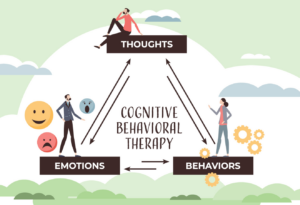
CBT is a structured, goal-oriented form of psychotherapy that focuses on the connection between thoughts, emotions, and behaviors. The core principle of CBT is that the way we interpret events influences how we feel and act. By identifying and changing unhelpful thought patterns and behaviors, people can develop healthier ways of coping with challenges and emotional distress.
Retraining the Brain
To understand why CBT is effective for PTSD, it helps to understand how trauma can affect the brain. When a person experiences a traumatic event, the brain’s threat-detection system becomes highly activated. This response is designed to protect us from danger, but after trauma, the brain can remain stuck in a state of heightened alertness. As a result, everyday situations may trigger fear responses even when no actual threat is present. The brain begins to associate certain places, people, sounds, or memories with danger, making it difficult to feel safe.
CBT helps interrupt this cycle. Through structured therapeutic exercises, individuals learn to examine whether their thoughts accurately reflect current reality or are being influenced by past traumatic experiences. Over time, this process helps the brain form new associations and reduce automatic fear responses. In many ways, CBT helps “retrain” the brain to distinguish between past danger and present safety.
When applied to PTSD, CBT also helps individuals understand how trauma has affected their beliefs about themselves, other people, and the world around them. Traumatic experiences can lead to distorted beliefs, such as feeling permanently unsafe, blaming oneself for what happened, or believing that trust is impossible. These beliefs can contribute to ongoing symptoms and interfere with recovery.
CBT helps people examine these thoughts more objectively and replace them with more balanced, realistic perspectives. At the same time, it addresses avoidance behaviors that often develop after trauma. While avoiding reminders of a traumatic event may provide short-term relief, it can unintentionally reinforce fear and prevent healing. Through carefully guided therapeutic techniques, individuals learn to confront difficult memories, emotions, and situations in a safe and supportive environment.
Backed by Research
One reason CBT is considered a strong treatment option for PTSD is the extensive research supporting its effectiveness. Studies have consistently shown that trauma-focused CBT approaches can reduce PTSD symptoms, improve daily functioning, and enhance overall quality of life. Many individuals experience meaningful improvements in their ability to manage distress, engage in relationships, and return to activities that are important to them. Trauma-focused CBT approaches such as Cognitive Processing Therapy (CPT) and Prolonged Exposure (PE) are among the most extensively studied treatments for PTSD.
Another advantage of CBT is its practical nature. Clients learn specific skills they can continue using long after therapy ends. These tools help them challenge unhelpful thinking patterns, manage anxiety, and respond more effectively to future stressors.
Recovery from PTSD is not always a quick or simple process, but it is possible. Seeking professional support is an important first step toward healing and long-term well-being. With evidence-based treatments like Cognitive Behavioral Therapy, many individuals find relief from PTSD symptoms and regain a sense of safety, confidence, and control in their lives.
If you want to explore more about CBT, there is a link to a text-based course below or you can check out episode 451 of the Behavioral Health Today podcast, which features CBT expert Anthony Verdino, LCSW.