
On-Demand CE Training
ODL 404: Invisible Wounds: Understanding and Treating Trauma in Immigrant Populations in the U.S.
Please make sure to check with your own state board to ensure the transferability of CE credit for an asynchronous course. Some state boards may place restrictions regarding the modality of training required for ethics credits to be awarded. If this training indicates ethics credits are available, please verify that your state allows them to be earned through an on-demand course format.
Please note: This on-demand webinar is a replay of a live CE event. The format reflects the original presentation and may include live Q&A, transitions, and intermittent audio/visual fluctuations typical of a live recording.
3 CREDIT HOURS APPROVED FOR:
Social Workers
ASWB ACE – 3 Clinical Continuing Education credits
New York State Education Department’s State Board for Social Work – 3 Contact hours
Psychologists
APA – 3 CE credits
Counselors 3 Contact hours
NBCC ACEP – 3 Contact hours
New York State Education Department’s State Board for Mental Health Practitioners – 3 Contact hours
Addiction Professionals
NAADAC – 3 Contact hours
Nurses
California Board of Registered Nursing – 3 Contact hours
Case Managers
CCMC – 3 CE Contact hours
Created On: 4/14/26
Target Audience:
This course is targeted for social workers, psychologists, counselors, nurses and case managers.
Counselor Skill Groups:
4. Counseling Services
Overview:
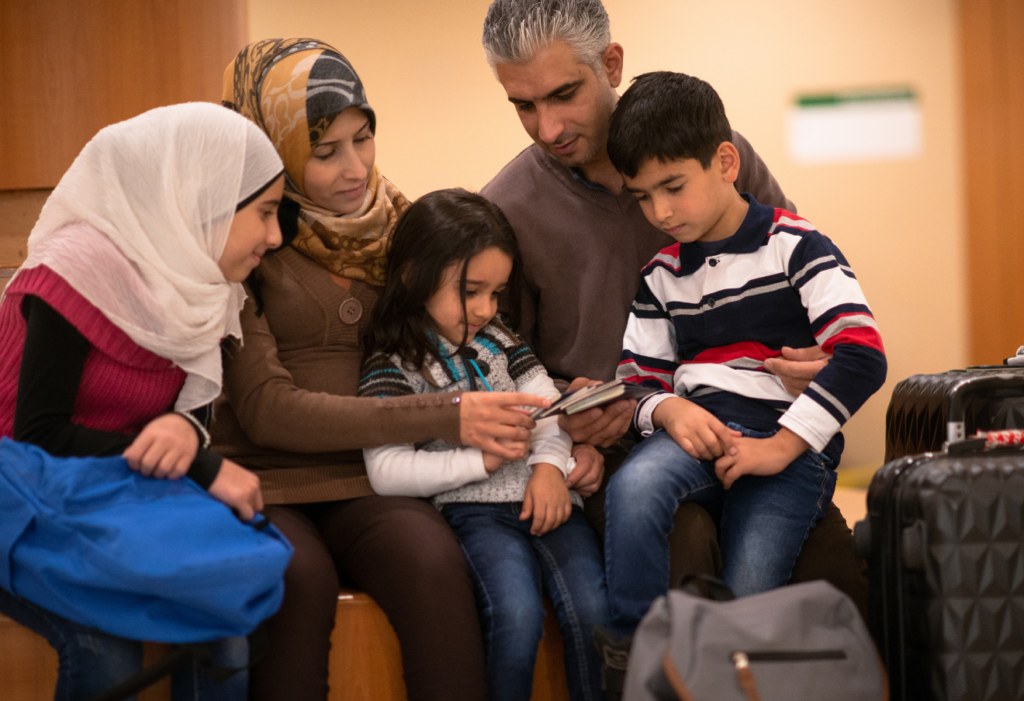
Immigrants and refugees often carry the invisible weight of trauma before, during, and after migration. Experiences such as displacement, loss, discrimination, and acculturative stress can manifest in complex psychological and somatic symptoms that challenge traditional treatment approaches. This webinar explores the intersection of trauma, culture, and systemic barriers affecting immigrant well-being in the U.S.
Mental health providers will learn to recognize trauma responses through a culturally attuned lens, integrate trauma-informed and narrative-based interventions, and advocate for healing environments that honor resilience and cultural identity. The session emphasizes ethical and practical strategies for empowering immigrant clients across diverse contexts.
Course Objectives:
By the end of the session, the participant will be able to:
- Examine how cultural, environmental, and systemic factors contribute to trauma across pre-migration, migration, and post-migration experiences among immigrant and refugee individuals.
- Apply trauma-informed and culturally responsive counseling interventions to support immigrant clients coping with acculturation stress, discrimination, and intergenerational trauma.
- Evaluate ethical, systemic, and advocacy considerations when providing trauma treatment and community-based support to immigrants within diverse sociopolitical contexts.
Presenter:
Shama Panjwani, PhD, LPC, ACS, NCC, CCMHC
Dr. Shama Panjwani is an Asian-Indian speaker and expert in trauma-informed care, focusing on attachment, immigration, cultural/racial, and intergenerational traumas while integrating holistic wellness approaches to addressing trauma in a culturally competent manner. She is currently a professor in the clinical mental health counseling program at Keiser University. Dr. Panjwani has a private practice, SoHolisticEnergy Counseling & Consultation, LLC, where she provides clinical services to clients and supervisees. She also provides consulting services to organizations and institutions on Diversity, Equity, and Inclusivity (DEI) and workplace wellness.
Dr. Panjwani has a PhD in counselor education and supervision with a specialization in cross-cultural psychology and organizational leadership. She is a national certified counselor, a certified clinical mental health counselor, a board certified telemental health provider, licensed professional counselor and an approved clinical supervisor.
Her research presentations and publication focus on topics such as reducing mental health stigma, immigration, acculturation, trauma, social justice and advocacy, multiculturalism and diversity, psychedelic-assisted therapy, crisis counseling, as well as approaches used to increase cross-cultural awareness and wellness, and leadership skills within academia and other institutions. Dr. Panjwani has been working in the mental health field for more than 9 years. She is actively involved in doing consultations, workshops, and presentations to create awareness and destigmatize mental health and wellness for the Black Indigenous People of Color (BIPOC ) community on an individual and organizational level by increasing their access to effective and culturally responsive treatment.