
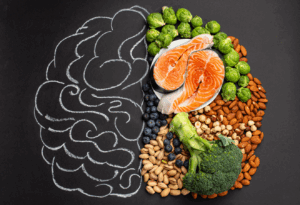
We often think of nutrition and mental health as two separate conversations — one focuses on what we eat, while the other focuses on our thoughts, emotions, and experiences. Emerging research suggests the relationship is far more interconnected. While our genes provide the blueprint, our environment (including chronic stress, trauma, sleep, movement, relationships, and nutrition) can influence how those genes are expressed. This is where epigenetics and holistic nutrition intersect, offering helping professionals another lens through which to understand healing.
More Than Your Genes: What Is Epigenetics?
Epigenetics is the study of how environmental and lifestyle factors affect gene expression without changing the DNA itself. In other words, while we can’t rewrite our genetic code, our experiences can influence which genes are more or less active over time.
Instead of insisting that “biology is destiny,” epigenetics highlights the body’s remarkable capacity for adaptation and resilience. Researchers continue to explore how chronic stress and trauma affect the body’s stress-response systems, inflammation, and overall health. Encouragingly, epigenetic changes are dynamic: positive lifestyle changes, supportive relationships, effective therapy, and healthy habits may all contribute to healthier patterns of gene expression.
Holistic Nutrition: Looking Beyond the Plate
Traditional nutrition often focuses on nutrients, calories, and biochemical processes. Holistic nutrition takes a broader view, recognizing that food is only one piece of overall well-being.
A holistic approach considers how digestion, stress, sleep, movement, emotions, and individual differences all influence health. Instead of assuming every client benefits from the same diet, it acknowledges that nutritional needs vary based on genetics, lifestyle, environment, and personal circumstances. Food becomes more than fuel; it becomes one component of an interconnected system that supports physical and emotional health.
The Missing Link: Gut Microbiota, Stress, and Mental Health
One of the most fascinating connections between epigenetics and holistic nutrition is found in the gut microbiota, the trillions of bacteria, fungi, and other microorganisms that live in the digestive tract. These microbes don’t simply help digest food, they also communicate constantly with the brain through what’s known as the gut-brain axis, a network involving the nervous, immune, hormonal, and metabolic systems. The vagus nerve serves as one of the primary communication pathways, carrying signals between the gut and brain throughout the day.
This communication has meaningful implications for both physical and mental health. Gut microbes help produce or regulate neurotransmitters including serotonin, GABA, and dopamine, all of which play important roles in mood, motivation, sleep, and emotional regulation. In fact, about 95% of the body’s serotonin is produced in the gut lining, helping explain why digestive issues and mood disorders so often occur together. When the gut microbiome becomes imbalanced, a condition known as dysbiosis, clients may experience anxiety, depression, brain fog, irritability, or difficulty managing stress alongside gastrointestinal symptoms.
Chronic stress can make this cycle even more difficult to break. Elevated cortisol levels can weaken the intestinal lining, reduce beneficial bacteria, and increase intestinal permeability (“leaky gut”), allowing inflammatory molecules to enter the bloodstream and influence brain function. Rather than existing as separate issues, emotional distress, inflammation, and digestive symptoms often reinforce one another through this gut-brain feedback loop.
This is where holistic nutrition complements an epigenetic perspective. While nutrition alone cannot erase trauma or eliminate chronic stress, dietary patterns that support a healthy microbiome may also help support neurotransmitter production, reduce inflammation, and improve the body’s resilience to stress. Together, these approaches reinforce the idea that caring for mental health also means caring for the biological systems that support it.
Supporting Clients Through a Whole-Person Lens
Helping professionals don’t need to become registered dietitians to recognize when nutrition may be influencing a client’s overall well-being. Instead, they can broaden their assessment to include factors that are often overlooked.
For example, clients who present with both emotional symptoms and digestive complaints may benefit from gentle questions about sleep, eating habits, digestive health, recent antibiotic use, or whether they notice changes in mood after eating certain foods. These conversations stay well within scope while helping identify when collaboration with a physician or registered dietitian may be appropriate.
Just as importantly, holistic nutrition emphasizes small, sustainable changes rather than restrictive diets. Encouraging clients to incorporate more fiber-rich foods, fermented foods, or other nutrient-dense whole foods may help support a healthy gut microbiome over time. The goal isn’t to prescribe a specific eating plan but to recognize that nutrition, lifestyle, stress, and emotional health are interconnected pieces of the same puzzle.