
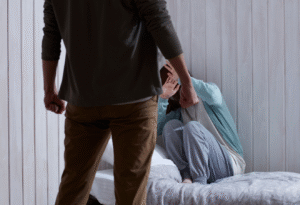
“Why don’t they just leave?”
It may be one of the most common questions asked about people experiencing intimate partner violence. From outside the relationship, leaving can seem like the obvious solution: If someone is being harmed, getting away from the person causing that harm should make them safer. The reality of an abusive relationship is rarely that simple.
Intimate partner violence is not defined by a single incident. It is a pattern of abusive and coercive behaviors through which one partner exerts power and control over another. At the same time, an abusive relationship is still a relationship. Love and care may exist alongside fear. There may be shared children, finances, housing, family connections, or years of history. There may also be genuine hope that the abusive behavior will stop or the relationship will change.
Leaving Has Real-World Consequences
For some survivors, leaving can create or increase danger. For others, the obstacles may be practical: Where will they live? How will they support themselves or their children? Do they have access to money, transportation, identification, or important documents?
The barriers can also be social and emotional. A person may fear being isolated from family or community, being outed, or facing stigma or shame. Cultural or religious beliefs may influence their choices. Immigration status or language barriers may limit access to resources or make seeking help feel especially risky. Some survivors have been deliberately isolated from the people who might otherwise support them.
From outside, it looks like one decision: stay or leave. From the inside, it may involve dozens of interconnected decisions, risks, losses, and unknowns.
Ambivalence Is Not a Failure
Helping professionals can understandably feel urgency when they recognize that someone is being harmed. That concern can make it tempting to focus immediately on ending the relationship. Survivor-centered care asks us to tolerate something that can be uncomfortable: ambivalence.
A person may want the abuse to stop without wanting the relationship to end. They may consider leaving and then decide to stay. They may leave and later return. Their assessment of what is safest or possible may also change as circumstances change.
Rather than treating this uncertainty as resistance or poor judgment, helping professionals can try to understand the person’s choices within the context of their life. The goal is not to make the decision for them, but to help them consider risks, identify resources, explore options, and strengthen safety. This approach recognizes self-determination as an essential part of working with survivors.
When Helping Starts to Look Like Control
There is an important tension here. Abuse systematically takes power and control away from a person. In our desire to help, we can unintentionally repeat a small piece of that dynamic if we begin telling the survivor what they must do.
A survivor-centered, trauma-informed approach does something different. It respects the person’s choices, meets them where they are, and recognizes that they are the expert on their own circumstances. It offers information about risks and options without assuming that the professional knows what is safest.
That does not mean minimizing danger. It means recognizing that safety planning works best as a collaborative process, one that builds on the strategies, knowledge, and strengths the survivor already has.
Perhaps then, a more useful question than, “Why don’t they just leave?”
is: “What might make greater safety and choice possible for this person?”
That shift may seem small, but it changes the focus from judging a survivor’s decisions to understanding their circumstances, and from directing their next step to helping them regain the power to choose it.