
CEU Creations
Log In / Sign Up
  • Unlimited CE Bundle
  • CE Trainings
    • Livestream CE Webinars
    • Video-On-Demand CE Trainings
    • Free CEs!
    • My Event Registrations
    • State Requirements
    • Accreditations
  • Certification Programs
  • Bundle Member Resources
  • Marketers/Sponsors
    • Overview
    • CE Coupon Options
    • Watch Parties
    • Sponsor Partners
  • Blog
  • FAQs
  • Log In / Sign Up
  • My Profile
  • Logout
  • Search

Navigating Childhood Trauma: Understanding and Intervening for Healing

December 30, 2024 by Jess W

Filed Under: Uncategorized

Power Hour: Grab a Bite, Get Insight – Veterinary Clinical Work for Helping Professionals: Exploring the Human-Animal Bond

December 30, 2024 by Jess W

Filed Under: Uncategorized

ODL 316: Forgiveness Matters: Empowering Professionals to Facilitate Healing and Self-Forgiveness

December 27, 2024 by Nicole Errickson

Please make sure to check with your own state board to ensure the transferability of CE credit for an asynchronous course. Some state boards may place restrictions regarding the modality of training required for ethics credits to be awarded. If this training indicates ethics credits are available, please verify that your state allows them to be earned through an on-demand course format.

5 CREDIT HOURS APPROVED FOR:

Social Workers
ASWB ACE – 5 CE Credits
New York State Education Department’s State Board for Social Work – 5 Contact Hours
Psychologists
APA – 5 CE Credits
Counselors
NBCC ACEP – 5 Contact Hours
New York State Education Department’s State Board for Mental Health Practitioners – 5 Contact Hours
Addiction Professionals
NAADAC – 5 Contact Hours
Nurses
California Board of Registered Nursing – 5 Contact Hours
Case Managers
CCMC – 5 Contact Hours- EXPIRES 12/13/26

Created On: 12/26/24     Revised On: 9/25/25

Attention Case Managers ONLY: CCMC expires on this course on 12/13/26 and will not be renewed. Please complete before this date.

Target Audience:

This course is targeted for social workers, psychologists, counselors, nurses and case managers.

Counselor Skill Groups:

4. Counseling Services

Overview:

Forgiveness Matters: Empowering Professionals to Facilitate Healing and Self-Forgiveness is a transformative training designed to provide helping professionals with practical tools and insights to assist their clients in achieving self-forgiveness. This session will guide you through a clear definition of self-forgiveness and introduce the Four Rs – Responsibility, Remorse, Restoration, and Renewal – offering specific interventions for each. Enhance your theoretical understanding with a presentation on the Stress-and-Coping Theory of Forgiveness and be inspired by Sarah Montana’s powerful personal story. Gain valuable skills to help your clients break free from guilt and shame, fostering improved mental health, stronger relationships, and greater self-acceptance. 

Course Objectives:

By the end of the session, the participant will be able to:

  1. Define forgiveness and distinguish between “decisional forgiveness,” which involves letting go of resentment and anger, and “emotional forgiveness,” which replaces negative emotions with positive ones and provides significant health benefits.
  2. Examine the health and relational benefits of emotional forgiveness, including reduced stress and its associated health risks, and the role of decisional forgiveness in repairing relationships.
  3. Define self-forgiveness in a way that helps direct work with people who are seeking to forgive themselves for hurting others.
  4. Describe each of the Four Rs of Self-Forgiveness: Responsibility, Remorse, Restoration, and Renewal.
  5. Identify at least one intervention to help promote each of the Four Rs.

Presenters:

Everett L. Worthington, Jr., PhD, Virginia Commonwealth University

Everett L. Worthington, Jr., PhD, is commonwealth professor emeritus working from the Department of Psychology at Virginia Commonwealth University, where he holds an affiliate appointment. He also holds a faculty affiliate appointment at the Institute for Quantitative Social Sciences, Faculty of Arts and Sciences, Harvard University (Human Flourishing Program). He continues to be active in research and speaking around the world. He is a licensed clinical psychologist in Virginia. He has published over 48 books and over 500 articles and scholarly chapters, mostly on forgiveness, humility and positive psychology, marriage and family topics, and religion and spirituality. He also has developed the REACH Forgiveness model (see www.EvWorthington-forgiveness.com for free resources), which is supported by over 30 published randomized controlled trials (RCTs) and has recently been tested in global grant-funded RCTs in five countries (six sites; N = 4,598), although the results have not been published yet. He has developed numerous other positive psychological interventions. 

Personal interests: He ballroom dances and competes in pickleball singles and doubles. He and his spouse, Kirby, have been married since 1970.

Sarah Montana, WGA Screenwriter, Writer, and Public Speaker 

Sarah Montana is a WGA screenwriter, writer, and public speaker. She has written several screenplays for the Hallmark Channel, including “Rescuing Christmas,” “Love to the Rescue,” “A New Year’s Resolution,” and the Christopher Award winning “Two Turtle Doves.” Her play “The Girl, The Ghosts, and the Minotaur” won the Life Jacket Theater Company’s Proof of Concept Reading Series.

She is a sought-after public speaker about resilience, trauma, and forgiveness, which has led to speaking engagements at TEDx, women’s conferences, corporate retreats, colleges, and podcasts. Her viral talk “What Shapes You Can’t Break You” (view on YouTube or Goalcast) was featured on Goalcast and now has tens of millions of views. Her TEDx talk “Why Forgiveness is Worth It” is featured on TED.com, has received millions of views, and has been incorporated into college curriculums and therapeutic practices. 

She is a Gateless Writing Method certified teacher and teaches students of all ages how to fall in love with the creative process. She’s also a representative for film/TV/streaming on WGA East Council. Stay in touch her at facebook.com/sarahmontanawriter.

Nathaniel G. Wade, PhD, Iowa State University, Boston College, Gather Psychotherapy and Consulting

Following his undergrad graduation, Dr. Wade worked for 4 years as an Addictions Counselor in both an abstinence-based agency and a methadone clinic. He then went to graduate school for Counseling Psychology at Virginia Commonwealth University. He finished his PhD in 2003 and joined the Iowa State faculty where he was a Professor and Associate Chair of Psychology and Founding Director of Network Community Counseling Services. After 23 years at Iowa State, Dr. Wade made the move back east to be closer family. He now operates a private practice with his wife, Gather Psychotherapy and Consulting, and teaches at Boston College.

He is a licensed Psychologist in Iowa and Massachusetts and a Certified Group Psychotherapist. Nathaniel’s research interests center on the processes and outcomes of psychotherapy. Specifically, he has worked to develop and test interventions to promote forgiveness, to understand the impact of integrating religion and spirituality into psychotherapy, and to reduce the stigma associated with seeking counseling. His most recent interest is integrating exercise into psychotherapy. He has published three edited books, over 100 scholarly articles and chapters, and has received over 7 million in grant funding. He is an APA fellow of two divisions: Group Psychology and Psychotherapy and the Society of Counseling Psychology.

When not working, he enjoys spending time with family, hiking in the mountains of New England, and playing soccer each week with the “over the hill” crowd.


Filed Under: VOD Courses

Power Hour: Grab a Bite, Get Insight – Beyond Representation: Developing Meaningful Culturally Tailored Interventions

December 19, 2024 by Jess W

Filed Under: Uncategorized

Sunrise Senior Living – ODL 249: Caregiver Mental Health and Ethics in Practice

December 18, 2024 by Nicole Errickson

Revised on 06/14/2024

Attention New Jersey Social Workers: 

This course is approved for all social workers, including New Jersey. The Board Adopted Amendments: N.J.A.C. 13:44G-6.3, 6.4, and 6.7 Content Areas for Continuing Education Credit on April 15, 2024. This updates the Board’s regulation. This amendment states that  attendance at programs or courses offered by providers approved by the Association of Social Work Boards (ASWB) are now acceptable sources of CE credit. 

At the June 12, 2024 public meeting, the Board voted to allow “any applications submitted, or audits which take place, on or after September 1, 2022” to be able “to submit CE from the sources updated in the new amendment adopted on April 15, 2024.”For more information please refer to https://www.njconsumeraffairs.gov/sw/Pages/Additional-Information.aspx#CE

Target Audience:

This course is targeted for social workers, case managers, nurses, and counselors.

Overview:

This course aims to provide helping professionals with insight to the challenges that caregivers face daily and our ethical obligations in practice. The course will explore common challenges faced by caregivers, the impact of caregiver mental health on care recipients, boundaries, cultural competence, and advocacy. Strategies for promoting caregiver mental health and self-care will also be covered, emphasizing the importance of addressing caregiver needs to ensure quality care. 

Course Objectives:

By the end of the session – the participant will be able to:

  • Recognize the emotional toll that caregivers endure on a daily basis and identify ways to help caregivers 
  • Identify some of the challenges faced by caregivers and solutions that can be implemented
  • Examine some ethical principles/dilemmas that can arise around caregiving, care partner mental health and advanced care planning and how the helping professional can assist in resolving these 

Presenter:

Lauren Snedeker, DSW, LSW, LMSW, Assistant Professor of Teaching Coordinator for the MSW Certificate in Aging and Health Rutgers School of Social Work

Lauren Snedeker is an Assistant Professor of Teaching and Coordinator for the MSW Certificate in Aging and Health Program at Rutgers School of Social Work. Her areas of practice and scholarly interests focus on the aging experience, mental health during older adulthood, and caregiving experiences. Educating about the rich, clinical opportunities that exist in gerontological social work, mentorship and building community for MSW students are Lauren’s passions.

Lauren holds a master’s degree in social work from the Silver School of Social Work at New York University and received her Doctorate in Social Work (DSW) from Rutgers School of Social Work. Over the course of her career, Lauren has worked in diverse settings serving the older adult population, such as hospitals, nursing homes, senior centers and privately by conducting home visits. She has experience working with individuals, families and caregivers. Additionally, Lauren has developed training, graduate-level curricula, content for continuing education events and professional conferences, and articles on age-related topics.

Lauren’s early research focused on debunking dominant narratives of the aging experience through qualitative inquiry. Lauren’s current research project includes a qualitative study with gero-focused social workers to better understand their workforce experiences and therefore increase the amount of those interested in this practice area.  Lauren is also leading two research projects at Rutgers University that focus on interdisciplinary work between interpreters and social workers, and ways the school can lead age-friendly efforts on campus.

1 CREDIT HOUR APPROVED FOR:

Social Workers
ASWB ACE – 1 Ethics CE Credit
New York State Education Department’s State Board for Social Work – 1 Contact Hour
Case Managers
CCMC – 1 Contact Hour
Nurses
California Board of Registered Nursing – 1 Contact Hour
Counselors 1 Ethics Hour*
NBCC ACEP – 1 Contact Hour
New York State Education Department’s State Board for Mental Health Practitioners – 1 Contact Hour

* Some states do not require/accept ethics hours for counselors, for those cases contact hours will be awarded

Please make sure to check with your own state board to ensure the transferability of CE credit for an asynchronous course. Some state boards may place restrictions regarding the modality of training

Filed Under: Decommissioned

ODL 317: Life Transitions and Cognitive Function: A Play-Inspired Exploration

December 16, 2024 by Nicole Errickson

Please note: This on-demand webinar is a replay of a live CE event. The format reflects the original presentation and may include live Q&A, transitions, and intermittent audio/visual fluctuations typical of a live recording.

Please make sure to check with your own state board to ensure the transferability of CE credit for an asynchronous course. Some state boards may place restrictions regarding the modality of training required for ethics credits to be awarded.

1 CREDIT HOUR APPROVED FOR:

Social Workers
ASWB ACE – 1 CE Credit
New York State Education Department’s State Board for Social Work – 1 Contact Hour
Psychologists
APA – This course is not approved for APA Contact hours.
Counselors
NBCC ACEP – 1 Contact Hour
New York State Education Department’s State Board for Mental Health Practitioners – 1 Contact Hour
Addiction Professionals
NAADAC – This course is not approved for NAADAC Contact hours.
Nurses
California Board of Registered Nursing – 1 Contact Hour
Case Managers
CCMC – 1 CE Contact Hour

Created on: 12/16/24 Revised on: 9/15/26

Target Audience:

This course is targeted for social workers, counselors, nurses, and case managers.

Instructional Level:

Beginner

Overview:

This training opens with a play, The Forager, that explores themes of memory, loss, and connection through food and conversation. Following the performance, Dr. Yura Lee will present research on the impact of major life transitions, such as retirement and the loss of a spouse, on cognitive decline in older adults. The session will explore the preventive role of engaging in mental, physical, and social leisure activities, especially in later life. Dr. Lee will also highlight how participation in these activities can mitigate the risk of dementia, offering practical insights for helping professionals.

Course Objectives:

By the end of the session, the participant will be able to:

  1. Identify the effects of late-life transitions, such as retirement and spousal loss, on cognitive decline in older adults.
  2. Examine the relationship between socioeconomic factors, such as education level, and the risk of dementia in older adults.
  3. Apply strategies to incorporate leisure activities that promote cognitive health in aging individuals, focusing on mental, physical, and social engagement.

Presenters:

Barry Stoltze, Actor

Barry Stoltze has been a professional actor for nearly 50 years.  He has voiced hundreds of commercials, worked on audiobooks, animation, and gaming, and has appeared extensively on stage and screen.  In 2022, he was a proud participant in CEU Creations’ online production of TURNING INTO THE SKID with Judith Gantly.  In 2023, he was part of the ensemble of PRAYER FOR THE FRENCH REPUBLIC at Actor’s Express which won the Suzi Award for Best Play, a thought-provoking production that included his current CEU Creations scene partner, Carolyn Cook.  In the winter of 2025, he will be portraying an immortal prophet in the new musical KING OF PANGEA at the Aurora Theatre in Lawrenceville, GA.  He has appeared on camera in OZARK, HALT AND CATCH FIRE, and SLEEPY HOLLOW and in the films THE LONGEST RIDE and TYLER PERRY’S BOO! 2, among others.  Additionally, at Synchronicity Theatre in 2018, Barry wrote and produced I CAN’T TECHNO: A MUSICAL GUIDE TO MODERN TIMES, with song parodies and comedy sketches about Mankind dealing with technology down through the Ages.  And in October at the Shakespeare Tavern, he co-produced the 21st annual LEND ME AN EAR, a night of Old Time Radio recreations by union performers, which this year raised food assistance money for Open Hand.

Carolyn Cook, Actor/Director

Carolyn Cook is the founder and first artistic director of Theatre du Reve. She has more than twenty-five years of experience as a professional actor, director, producer, teacher, and acting coach. Carolyn has worked as an actor and/or director with some of the top theaters in Atlanta including Georgia Shakespeare, Horizon Theatre, The Alliance Theatre, Actor’s Express, Theatre in the Square, Seven Stages, and Theater Emory. She has taught acting and theatre studies at Emory University, Oglethorpe University, Pebblebrook High School, and the Robert Mello Studio. Carolyn has been on the dementia journey for over 10 years now. Her mother lives with Alzheimer’s disease and lives in an assisted living facility. As a family member, Carolyn sought to educate herself in best practices for dementia care. She is a graduate of the 2015 Memory Bridge Training Retreat, a five-day intensive program leading to positive, meaningful dementia relationships. Carolyn co-developed and performed in Blackberry Winter, a play by Steve Yockey about a woman coming to terms with her new role as a caregiver.

Yura Lee, PhD, Associate Professor, Helen Bader School of Social Welfare, University of Wisconsin-Milwaukee

Dr. Yura Lee is an Associate Professor at the Helen Bader School of Social Welfare at the University of Wisconsin-Milwaukee. Her research primarily focuses on individuals with Alzheimer’s disease and related dementias (ADRD) and their caregivers. Dr. Lee’s dedication to ADRD research stems from her personal experience as a primary caregiver for her grandfather, who was diagnosed with Alzheimer’s disease. This experience has significantly influenced her gerontological social work research, which centers on two key areas: (a) identifying risk and protective factors for ADRD, and (b) understanding the needs and challenges faced by dementia caregivers.

Dr. Lee has investigated a range of risk and protective factors, including educational attainment, multiple chronic conditions, life transitions (e.g., widowhood, retirement), late-life engagement in activities (mental, physical, and social), and sociocultural influences (e.g., acculturation and social support). Notably, her research on the biopsychosocial mechanisms of widowhood and its impact on cognitive function was funded by the Rutgers University Asian Resource Center for Minority Aging.

Additionally, Dr. Lee currently serves as the principal investigator for the “Going Home” project, a reminiscence intervention for individuals with dementia and their family caregivers, funded by the Alzheimer’s Association. She actively collaborates on several interdisciplinary aging research initiatives with scholars from diverse fields, including neurology, nursing, public health, biomedical engineering, kinesiology, and information science, focusing on dementia care interventions utilizing assistive technology. Dr. Lee earned her PhD in Social Work from the University of Southern California.


Filed Under: 1 Hour On-Demand Training, VOD Courses

ODL 314: 15 Essential Awareness-Based Strategies for Helping Professionals: Skills to Transform Your Treatment Plans for Depression, Anxiety, Anger, Trauma, Guilt and Shame

December 12, 2024 by Nicole Errickson

Please make sure to check with your own state board to ensure the transferability of CE credit for an asynchronous course. Some state boards may place restrictions regarding the modality of training required for ethics credits to be awarded. If this training indicates ethics credits are available, please verify that your state allows them to be earned through an on-demand course format.

Please note: This on-demand webinar is a replay of a live CE event. The format reflects the original presentation and may include live Q&A, transitions, and intermittent audio/visual fluctuations typical of a live recording.

5 CREDIT HOURS APPROVED FOR:

Social Workers
ASWB ACE –5 CE Credits
New York State Education Department’s State Board for Social Work – 5 Contact Hours
Psychologists
APA – 5 CE Credits
Counselors-
NBCC ACEP – 5 Contact Hours
New York State Education Department’s State Board for Mental Health Practitioners – 5 Contact Hours
Addiction Professionals
NAADAC – 5 Contact Hours
Nurses
California Board of Registered Nursing – 5 Contact Hours
Case Managers
CCMC – 5 CE Contact Hours – EXPIRES 11/30/26

Created on: 12/12/24 Revised on: 9/18/26

Attention Case Managers ONLY: CCMC expires on this course on 11/30/26 and will not be renewed. Please complete before this date.

Target Audience:

This course is targeted for social workers, psychologists, counselors, nurses and case managers.

Please note: This on-demand webinar is a replay of a live CE event. The format reflects the original presentation and may include live Q&A, transitions, and intermittent audio/visual fluctuations typical of a live recording.

Counselor Skill Groups: 

3. Treatment Plan
4. Counseling Services

Overview:

From depression and anxiety to shame and trauma, mindfulness has demonstrated its ability to help reduce suffering. With all its benefits, mindfulness is widely used in clinical practice. There are hundreds of mindfulness interventions available to clinicians, but with so many to choose from, how do you know which to use? How do you decide on your “go-to” techniques?

Dr. Debra Alvis developed and led the Mind/Body program at the University of Georgia. She holds certification as a mindfulness meditation teacher and as a yoga therapist. With more than 25 years teaching mindfulness and using mindfulness techniques in her clinical practice, Debra has distilled the available techniques into the essential hands-on mindfulness skills and interventions you need to treat your clients.

Join Debra and learn to effectively use 15 mindfulness practices you can incorporate into your treatment plans for depression, anxiety, shame, and trauma. Debra will guide you through the specific exercises that she has found most capable of shifting clients away from debilitating vagal system patterns, intervening in the downward spiral of depression and anxiety, and cultivating safety and groundedness in traumatized clients. In addition, she will give you detailed instruction on her top mindfulness interventions to help your clients address guilt and shame and empower them to manage anger and toxic emotions.

As an additional benefit, you will have the opportunity to practice the application of what you have learned under Debra’s expert supervision. Enhance your clinical practice with mindfulness skills that work!

Course Objectives:

By the end of the session, the participant will be able to:

  1. Determine how mindfulness practices can be used to develop a more resilient nervous system. 
  2. Integrate mindfulness interventions into your treatment plans to counter automatic patterns of negative thoughts. 
  3. Demonstrate how brief mindfulness practices can be utilized in-session to increase emotion regulation. 
  4. Examine how to retrain the dysregulated, traumatized brain and implement grounding techniques and breathing exercises. 
  5. Apply mindfulness-based therapies to address shame and guilt.

Presenter:

Debra Alvis, PhD, licensed psychologist, developed the Mind/Body Program at the University of Georgia providing clinician training on the integration of mindfulness and contemplative practices into psychotherapy.  Her work as a professor at the University of Georgia included the supervision of doctoral students and co-leading a research team investigating mindfulness. She is a Mindfulness Meditation Teacher certified through Tara Brach and Jack Kornfield and is trained as a yoga therapist.  

Dr. Alvis maintains a private practice and has more than 25 years of clinical experience in treating clients with a variety of conditions by combining mindfulness principles, body-oriented strategies, and traditional psychotherapeutic approaches. Her personal contemplative practice of three decades further supports her presentations.  

Debra lectures and leads retreats around the world. Her trainings have helped thousands of clinicians to integrate the richness of Mindfulness, neuroscience, and somatic psychotherapies with cognitive approaches for greater clinical effectiveness.

Filed Under: VOD Courses

ODL 315: Suicide Considerations in Older Adults

December 12, 2024 by Nicole Errickson

Please make sure to check with your own state board to ensure the transferability of CE credit for an asynchronous course. Some state boards may place restrictions regarding the modality of training required for ethics credits to be awarded. If this training indicates ethics credits are available, please verify that your state allows them to be earned through an on-demand course format.

Please note: This on-demand webinar is a replay of a live CE event. The format reflects the original presentation and may include live Q&A, transitions, and intermittent audio/visual fluctuations typical of a live recording.

 1 CREDIT HOUR APPROVED FOR:

Social Workers
ASWB ACE – 1 CE Credit
New York State Education Department’s State Board for Social Work- 1 Contact Hour
Psychologists
APA – 1 CE Credit
Counselors
NBCC ACEP – 1 Contact Hour
New York State Education Department’s State Board for Mental Health Practitioners- 1 Contact Hour
Addiction Professionals
NAADAC – 1 Contact Hour
Nurses
California Board of Registered Nursing – 1 Contact Hour
Case Managers
CCMC – 1 CE Contact Hour

Created On: 12/11/2024     Revised On: 9/23/2026

Target Audience:

This course is targeted for social workers, psychologists, counselors, nurses and case managers.

Instructional Level:

Beginner

Counselor Skill Groups:

3. Treatment Plan
4. Counseling Services
6. Case Management

Overview:

While every age group is at risk for suicide, older adults are one of the most vulnerable groups. Those seniors above age 65 have a disproportionately higher risk of attempting suicide, as well as a higher lethality rate. This training will introduce learners to the proper assessment of risk level in seniors, ethical considerations, and how to facilitate managed risk plans with senior clients. 

Course Objectives:

By the end of the session, the participant will be able to:

  1. Recognize etiology of suicide and end of life considerations in older adults.
  2. Interpret ethical values of autonomy, dignity and beneficence as they relate to older adult suicide and end of life decisions.
  3. Evaluate a care perspective on suicide and end of life care by applying the Social Work Assessment Tool (SWAT)

Presenter:

Diane Bigler, LCSW, LSCSW, and owner of Diane Bigler Therapy Services, Inc.

Diane Bigler is a Licensed Clinical Social Worker in Missouri and Kansas. She has over 20 years of experience in the social services field. Diane has held positions as a therapist (in-home and outpatient), private practice owner, trainer/facilitator, clinical supervisor, and Professor of Social Work. She also has experience in corporate wellness training and coaching. Diane is most passionate about providing quality educational training to professionals. She enjoys spoiling her four Dachshunds and anything 80’s related.

Filed Under: 1 Hour On-Demand Training, VOD Courses

ODL 313: Telemental Health Foundations: Technology, Delivery Models, and Ethical Groundwork

December 11, 2024 by Nicole Errickson

Please make sure to check with your own state board to ensure the transferability of CE credit for an asynchronous course. Some state boards may place restrictions regarding the modality of training required for ethics credits to be awarded. If this training indicates ethics credits are available, please verify that your state allows them to be earned through an on-demand course format.

Please note: This on-demand webinar is a replay of a live CE event. The format reflects the original presentation and may include live Q&A, transitions, and intermittent audio/visual fluctuations typical of a live recording.

6 CREDIT HOURS APPROVED FOR:

Social Workers
ASWB ACE – 6 Ethics CE Credits
New York State Education Department’s State Board for Social Work – 6 Contact Hours
Psychologists
APA – 6 CE Credits
Counselors-  6 Ethics or 6 Contact Hours*
NBCC ACEP – 6 Contact Hours
New York State Education Department’s State Board for Mental Health Practitioners – 6 Contact Hours
Addiction Professionals
NAADAC–6 Contact Hours
Nurses
California Board of Registered Nursing – 6 Contact Hours
Case Managers
CCMC – 6 Ethics CE Contact hours – EXPIRES 11/27/26

* Some states do not require/accept ethics hours for counselors, for those cases contact hours will be awarded.

Created on: 12/11/24 Revised on: 9/17/26

Attention Case Managers ONLY: CCMC expires on this course on 11/27/26 and will not be renewed. Please complete before this date.

Target Audience:

This course is targeted for social workers, psychologists, counselors, nurses and case managers.

Instructional Level:

Beginner

Counselor Skill Groups:

1. Clinical Intake and Screening
2. Clinical Assessment
4. Counseling Services
8. Legal, Ethical and Professional Development

Overview:

As technology transforms the healthcare landscape, telemental health has emerged as a powerful modality for reaching clients in diverse settings. This foundational training equips mental health professionals with a comprehensive understanding of telehealth service delivery. Participants will explore definitions and distinctions between various telehealth models, examine legal and ethical standards (including HIPAA compliance), and review technology options. Special emphasis is placed on intake and assessment protocols, informed consent, and establishing therapeutic rapport remotely. Designed to be practical and interactive, this day provides clinicians with critical tools and frameworks to launch or strengthen their telemental health practice confidently.

Course Objectives:

By the end of the session, the participant will be able to:

  1. Define telemental health and differentiate it from other telehealth modalities.
  2. Identify key components of an informed consent process specific to telemental health.
  3. Describe intake and assessment procedures adapted for virtual settings.
  4. Evaluate different technology platforms and their alignment with HIPAA standards.
  5. Examine common barriers to engagement in telemental health and strategies to overcome them.
  6. Recognize ethical issues related to initiating and maintaining telehealth services. 

Presenter:

Christian Deck, MSW, LCSW, Social Worker, Educator, Therapist, Speaker

Christian is an Indianapolis-based social worker, educator, telehealth therapist, and speaker. He works full-time as a Lecturer at the Indiana University School of Social Work, teaching primarily with their online MSW program. He enjoys teaching Telebehavioral Health courses and foundational Social Work practice courses. His speaking and research interests include e-Simulations, e-Social Work and Telebehavioral Health practice, online social work education, and enhancing e-Social Work distance education through program development and technology design.

He also serves on the Board of Directors for the IUSSW Alumni Association. He is a BSW (’12) and MSW (’16) graduate of the Indiana University School of Social Work.

Disclaimer: The views, opinions, and information presented in this training are for informational and educational purposes only. CEU Creations and its presenters do not endorse, promote, or assume responsibility for any specific AI services, tools, or applications discussed. Any references to AI technologies are solely for illustrative purposes and do not constitute a recommendation or guarantee of their accuracy, reliability, or suitability for any particular use. Attendees are encouraged to independently evaluate and exercise their own judgment when considering the use of any AI-related tools or services.

Filed Under: VOD Courses

ODL 301: An Overview of Health Disparities in the LGBTQ+ Community

December 5, 2024 by Nicole Errickson

Please make sure to check with your own state board to ensure the transferability of CE credit for an asynchronous course. Some state boards may place restrictions regarding the modality of training required for ethics credits to be awarded. If this training indicates ethics credits are available, please verify that your state allows them to be earned through an on-demand course format.

Please note: This on-demand webinar is a replay of a live CE event. The format reflects the original presentation and may include live Q&A, transitions, and intermittent audio/visual fluctuations typical of a live recording.

1 CREDIT HOUR APPROVED FOR:

Social Workers
ASWB ACE – 1 CE Credit
New York State Education Department’s State Board for Social Work – 1 Contact Hour
Psychologists

APA – 1 CE Credit
Counselors
NBCC ACEP – 1 Contact Hour
New York State Education Department’s State Board for Mental Health Practitioners – 1 Contact Hour
Addiction Professionals
NAADAC – 1 Contact Hour
Nurses
California Board of Registered Nursing – 1 Contact Hour
Case Managers
CCMC – 1 CE Contact Hour

Created on: 12/5/2024 Revised on: 7/1/2026

Target Audience:

This course is targeted for social workers, psychologists, counselors, nurses and case managers.

Counselor Skill Groups:

4. Counseling Services
5. Documentation
6. Case Management

Overview:

Helping professionals are trusted with the important role of caring for people during what can be vulnerable moments, and it is imperative that they practice with competence and humility. In this honest conversation, M. Greg Green, Author and Advocate, will provide an overview of the LGBTQ+ community, their diverse health needs, and the bias that they can experience in the systems in which we practice. This course will cover communication tips for utilizing affirming and respectful language, including an understanding of terms related to gender identity, gender expression, and sexual orientation that people use to self-identify, and promoting sensitivity and acceptance in our practice spaces.  Participants will gain a better understanding of the LGBTQ+ community and the unique challenges and barriers that prevent LGBTQ+ individuals from receiving quality and competent care.

Course Objectives:

By the end of the session, the participant will be able to:

  • Recognize the bias experienced by the LGBTQ+ community in the social and health systems.
  • Demonstrate respectful language for discussing sexual orientation, gender identity, and gender expression.
  • Identify two ways you can advocate for the LGBTQ+ community in your practice environment to promote the highest level of care.

Presenter:

M. Greg Green, Author, Advocate for Transgender Rights, Transitional Consultant, Diversity, Equality, Justice, Inclusion Conversation Facilitator

M. Greg Green is an author, diversity & inclusion facilitator, Community Health Worker, and community advocate that uses his years of experience as a police officer and firefighter to facilitate and humanize access to public resources while shifting the corporate culture for his communities. As an advocate, corporate trainer, and entrepreneur, he currently serves as the Executive Director of Transgender Awareness Alliance,  CEO of Miskonception LLC, is on the Board of Directors for The Citadel’s African American Alumni Association and is a 2024 Clyburn Fellow.

Greg is a skilled and engaging speaker on transformative public service, trans visibility and awareness in the corporate world, and intersectionality within the LGBTQ+ community. He has spoken in Washington DC with the U.S. Department of Justice, Federal Bureau of Prisons, Dorn VA Hospital, Federal Correctional Institution in Edgefield, SC, Federation of Families Summer Summit, The International Conference on Stigma, and many other engagements and keynotes.

Filed Under: 1 Hour On-Demand Training, VOD Courses

Ethics and Boundaries: Self Disclosure and Dual Relationships

December 2, 2024 by Jess W

Filed Under: Uncategorized

Power Hour: Grab a Bite, Get Insight – Birds Fly, Fish Swim, and Children Play: Intro to Child-Centered Play Therapy

December 2, 2024 by Jess W

Filed Under: Uncategorized

Power Hour: Grab a Bite, Get Insight – Dimensions of Wellness: The Holistic & Cross-Cultural Approach in Counseling

December 2, 2024 by Jess W

Filed Under: Uncategorized

Motivational Interviewing and Ethical Practices

December 2, 2024 by Jess W

Filed Under: Uncategorized

Supporting Grieving Clients: Assessing Prolonged Grief Disorder and Facilitating Grief Interventions

December 2, 2024 by Jess W

Filed Under: Uncategorized

From Recognition to Respect: Addressing Elder Abuse and Informed Consent in Healthcare

December 2, 2024 by Jess W

Filed Under: Uncategorized

ODL 312: Managing Behaviors in Older Adults

November 19, 2024 by Nicole Errickson

Please make sure to check with your own state board to ensure the transferability of CE credit for an asynchronous course. Some state boards may place restrictions regarding the modality of training required for ethics credits to be awarded. If this training indicates ethics credits are available, please verify that your state allows them to be earned through an on-demand course format.

Please note: This on-demand webinar is a replay of a live CE event. The format reflects the original presentation and may include live Q&A, transitions, and intermittent audio/visual fluctuations typical of a live recording.

 1 CREDIT HOUR APPROVED FOR:

Social Workers
ASWB ACE – 1 CE Credit
New York State Education Department’s State Board for Social Work- 1 Contact Hour
Psychologists
APA – This course is not approved for APA Contact hours.
Counselors
NBCC ACEP – 1 Contact Hour
New York State Education Department’s State Board for Mental Health Practitioners- 1 Contact Hour
Addiction Professionals
NAADAC – This course is not approved for NAADAC Contact hours.
Nurses
California Board of Registered Nursing – 1 Contact Hour
Case Managers
CCMC – 1 CE Contact Hour

Created on: 11/19/24 Revised on: 8/21/26

Target Audience:

This course is targeted for social workers, case managers, nurses, and counselors.

Instructional Level:

Beginner

Overview:

Providers may find themselves overwhelmed with responding to challenging behaviors from older adults. Whether as a result of neurocognitive disorders, medication side effects, or personality traits, challenging behaviors are stressful for staff to manage and appropriately respond to. Learn about how challenging behaviors may present in older adults, possible origins and key areas to assess, and best practices for responding in person-centered and effective ways. Provider self-management will be discussed as a key factor in appropriately responding to these types of challenging behaviors.

Course Objectives:

By the end of the session, the participant will be able to:

  1. Describe the dynamics of anxiety and anger in older adults.
  2. Examine various assessment methods for gathering data.
  3. Identify evidenced-based interventions for anger and anxiety in adults.

Presenter:

Diane Bigler, LCSW, LSCSW, and owner of Diane Bigler Therapy Services, Inc.

Diane Bigler is a Licensed Clinical Social Worker in Missouri and Kansas. She has over 20 years of experience in the social services field. Diane has held positions as a therapist (in-home and outpatient), private practice owner, trainer/facilitator, clinical supervisor, and Professor of Social Work. She also has experience in corporate wellness training and coaching. Diane is most passionate about providing quality educational training to professionals. She enjoys spoiling her four Dachshunds and anything 80’s related.

Filed Under: 1 Hour On-Demand Training, VOD Courses

Headway – ODL 311: Motivational Interviewing with Ethical Principles

November 14, 2024 by Nicole Errickson

Created On: 11/8/24 Revised On:

Attention New Jersey Social Workers: 

This course is approved for all social workers, including New Jersey. The Board Adopted Amendments: N.J.A.C. 13:44G-6.3, 6.4, and 6.7 Content Areas for Continuing Education Credit on April 15, 2024. This updates the Board’s regulation. This amendment states that  attendance at programs or courses offered by providers approved by the Association of Social Work Boards (ASWB) are now acceptable sources of CE credit. 

At the June 12, 2024 public meeting, the Board voted to allow “any applications submitted, or audits which take place, on or after September 1, 2022” to be able “to submit CE from the sources updated in the new amendment adopted on April 15, 2024.”

For more information please refer to https://www.njconsumeraffairs.gov/sw/Pages/Additional-Information.aspx#CE

Target Audience:

This course is targeted for social workers, case managers, nurses, and counselors.

Overview:

Motivational Interviewing (MI) is a goal-oriented, collaborative process to help facilitate desired changes in thoughts and behaviors.  This unique method can be applied across many practice settings and helps the client to look within themselves to spark change.  This workshop examines a brief definition and history, theoretical framework, style and spirit, process, and techniques of MI.  In addition, it also explores how biases and diversity influences behavior and services, and provides tools for reflection, self-monitoring and regulation to manage personal values and maintain professional standards of practice.  Don’t miss this engaging training that can provide tools to help sharpen your skills in your day-to-day practices. 

Course Objectives:

By the end of the session – the participant will be able to:

  • Describe the practice of reflection, self-monitoring and regulation to ensure ethical practice in Motivational Interviewing
  • Apply the basic terminology and framework of Motivational Interviewing
  • Discover the meaning of using style and spirit with Motivational Interviewing techniques

Presenter:

Rhonda DiNovo serves as Clinical Assistant Professor, MSW Program Coordinator, and Coordinator of the Graduate Drug and Addictions Studies Certificate Program in the College of Social Work at the University of South Carolina. She teaches students important theoretical and practical approaches in interdisciplinary health and mental health, as well as principles and practices of motivational interviewing and cognitive behavior therapy. DiNovo also serves as Field Supervisor and Director of the West Columbia Outreach Program, a police social work outreach service offered through the West Columbia Police Department that provides brief screening, assessment and referral to treatment services and community resources to those in mental health and substance use crises. Prior to becoming a full-time faculty member in the College of Social Work, Rhonda served three years as Director of Substance Abuse Prevention and Education for USC and eight years as Prevention Specialist for adolescents and their families at LRADAC.

1 CREDIT HOUR APPROVED FOR:

Social Workers
ASWB ACE – 1 Ethics CE Credit
New York State Education Department’s State Board for Social Work – 1 Contact Hour
Case Managers
CCMC – 1 Ethics Hour
Nurses
California Board of Registered Nursing – 1 Contact Hour
Counselors- 1 Ethics Hour or 1 Contact Hour*
NBCC ACEP – 1 Contact Hour
New York State Education Department’s State Board for Mental Health Practitioners – 1 Contact Hour

* Some states do not require/accept ethics hours for counselors, for those cases contact hours will be awarded.

Please make sure to check with your own state board to ensure the transferability of CE credit for an asynchronous course. Some state boards may place restrictions regarding the modality of training required for ethics credits to be awarded. If this training indicates ethics credits are available, please verify that your state allows them to be earned through an on-demand course format.

Filed Under: Decommissioned

ALL- ODL 308: Motivational Interviewing for Substance Use in Older Adults

November 12, 2024 by Nicole Errickson

Created On:10/21/2024

Attention New Jersey Social Workers: 

This course is approved for all social workers, including New Jersey. The Board Adopted Amendments: N.J.A.C. 13:44G-6.3, 6.4, and 6.7 Content Areas for Continuing Education Credit on April 15, 2024. This updates the Board’s regulation. This amendment states that  attendance at programs or courses offered by providers approved by the Association of Social Work Boards (ASWB) are now acceptable sources of CE credit. 

At the June 12, 2024 public meeting, the Board voted to allow “any applications submitted, or audits which take place, on or after September 1, 2022” to be able “to submit CE from the sources updated in the new amendment adopted on April 15, 2024.”

For more information please refer to https://www.njconsumeraffairs.gov/sw/Pages/Additional-Information.aspx#CE

Target Audience:

This course is targeted for social workers, case managers, nurses, and counselors.

Overview:

Substance use in older adults is occurring at increased levels. This webinar will explore the fundamentals of substance use in older adults and effective Motivational Interviewing (MI) strategies to support these clients. We will review key indications, case study profiles, and discuss why MI is so effective in counseling clients with substance abuse. Learn about special considerations regarding substance use in older adults and the value of integrating the SBIRT model into clinical practice.

Course Objectives:

By the end of the session, the participant will be able to:

  1. Explain key considerations of substance use in older adults.
  2. Identify at least three components of Motivational Interviewing skills for substance use.
  3. Describe why Motivational Interviewing is effective when working with clients with substance abuse.

Presenter:

Diane Bigler, LCSW, LSCSW and owner of Diane Bigler Therapy Services, Inc. 

Diane Bigler is a Licensed Clinical Social Worker in Missouri and Kansas. She has over 20 years of experience in the social services field. Diane has held positions as a therapist (in-home and outpatient), private practice owner, trainer/facilitator, clinical supervisor, and Professor of Social Work. She also has experience in corporate wellness training and coaching. Diane is most passionate about providing quality educational training to professionals. She enjoys spoiling her four Dachshunds and anything 80’s related.

 1 CREDIT HOUR APPROVED FOR:

Social Workers
ASWB ACE – 1 CE Credit
New York State Education Department’s State Board for Social Work- 1 Contact Hour
Case Managers
CCMC – 1 Contact Hour
Nurses
California Board of Registered Nursing – 1 Contact Hour
Counselors
NBCC ACEP – 1 Contact Hour
New York State Education Department’s State Board for Mental Health Practitioners – 1 Contact Hour

Please make sure to check with your own state board to ensure the transferability of CE credit for an asynchronous course. Some state boards may place restrictions regarding the modality of training required for ethics credits to be awarded. If this training indicates ethics credits are available, please verify that your state allows them to be earned through an on-demand course format.


Filed Under: Decommissioned

ODL 295: Trauma-Informed Care and Post-Incarceration Syndrome

November 11, 2024 by Nicole Errickson

Please make sure to check with your own state board to ensure the transferability of CE credit for an asynchronous course. Some state boards may place restrictions regarding the modality of training required for ethics credits to be awarded. If this training indicates ethics credits are available, please verify that your state allows them to be earned through an on-demand course format.

Please note: This on-demand webinar is a replay of a live CE event. The format reflects the original presentation and may include live Q&A, transitions, and intermittent audio/visual fluctuations typical of a live recording.


 1 CREDIT HOUR APPROVED FOR:

Social Workers
ASWB ACE – 1 CE Credit
New York State Education Department’s State Board for Social Work- 1 Contact Hour
Psychologists
APA – 1 CE Credit
Counselors
NBCC ACEP – 1 Contact Hour
New York State Education Department’s State Board for Mental Health Practitioners- 1 Contact Hour
Addiction Professionals
NAADAC–1 Contact Hour
Nurses
California Board of Registered Nursing – 1 Contact Hour
Case Managers
CCMC – This course is not approved for CCMC Contact hours

Created On: 11/7/24     Revised on: 5/21/26

Target Audience:

This course is targeted for social workers, psychologists, counselors, and nurses.

Counselor Skill Groups: 

4. Counseling Services
6. Case Management

Overview:

Roughly 1.9 million people are incarcerated in the United States according to the Prison Policy Initiative (November 2023). This course is designed to provide helping professionals with a comprehensive understanding of trauma-informed care, with a specific focus on Post- Incarceration Syndrome (PICS). Participants will explore the impact of trauma on individuals involved in the criminal justice system and learn evidence-based practices for providing trauma- informed care in various  settings. The course emphasizes the development of skills and knowledge necessary for effective and compassionate  practice among helping professionals with individuals transitioning from incarceration to community life.

Course Objectives:

By the end of the training, the participant will be able to:

  1. Identify characteristics of Post-Incarceration Syndrome (PICS)
  2. Discover the impact of trauma of individuals involved with the criminal justice system
  3. Describe an evidence-based practice that helping professionals can utilize when working with an individual who has been incarcerated

Presenter:

Nicole Wiesen, PhD, MSW, CCTS-I

Nicole Wiesen, PhD., MSW, CCTS-I is a dedicated professional serving as the Regional Coordinator for the Multifaith Initiative to End Mass Incarceration. With a passion for justice and advocacy, Nicole actively champions the rights of currently and previously incarcerated individuals, as well as their families. In her role, she collaborates with faith communities across Georgia, fostering a collective commitment to creating beloved and accepting spaces. Through these partnerships, Nicole strives to establish communities that warmly embrace returning citizens, facilitating a seamless transition into society. Her work not only addresses the challenges of mass incarceration but also seeks to promote understanding, compassion, and support for those affected by the criminal justice system. Nicole Wiesen is an invaluable asset to the Multifaith Initiative, embodying a steadfast commitment to social change and community resilience


Filed Under: 1 Hour On-Demand Training, VOD Courses

ODL 311: Motivational Interviewing with Ethical Principles

November 8, 2024 by Nicole Errickson

Please make sure to check with your own state board to ensure the transferability of CE credit for an asynchronous course. Some state boards may place restrictions regarding the modality of training required for ethics credits to be awarded. If this training indicates ethics credits are available, please verify that your state allows them to be earned through an on-demand course format.

1 CREDIT HOUR APPROVED FOR:

Social Workers
ASWB ACE – 1 Ethics CE Credit
New York State Education Department’s State Board for Social Work – 1 Contact Hour
Psychologists
APA – 1 CE Credits
Counselors- 1 Ethics Hour or 1 Contact Hour*
NBCC ACEP – 1 Contact Hour
New York State Education Department’s State Board for Mental Health Practitioners – 1 Contact Hour
Addiction Professionals
NAADAC – 1 Contact Hour
Nurses
California Board of Registered Nursing –1 Contact Hour
Case Managers
CCMC – 1 Ethics Hour

* Some states do not require/accept ethics hours for counselors, for those cases contact hours will be awarded.

Created On: 11/8/24 Revised On: 12/2/25

Target Audience:

This course is targeted for social workers, psychologists, counselors, nurses and case managers.

Counselor Skill Groups: 

4. Counseling Services
8. Legal, Ethical and Professional Development

Overview:

Motivational Interviewing (MI) is a goal-oriented, collaborative process to help facilitate desired changes in thoughts and behaviors.  This unique method can be applied across many practice settings and helps the client to look within themselves to spark change.  This workshop examines a brief definition and history, theoretical framework, style and spirit, process, and techniques of MI.  In addition, it also explores how biases and diversity influences behavior and services, and provides tools for reflection, self-monitoring and regulation to manage personal values and maintain professional standards of practice.  Don’t miss this engaging training that can provide tools to help sharpen your skills in your day-to-day practices. 

Course Objectives:

By the end of the session – the participant will be able to:

  • Describe the practice of reflection, self-monitoring and regulation to ensure ethical practice in Motivational Interviewing
  • Apply the basic terminology and framework of Motivational Interviewing
  • Discover the meaning of using style and spirit with Motivational Interviewing techniques

Presenter:

Rhonda DiNovo serves as Clinical Assistant Professor, MSW Program Coordinator, and Coordinator of the Graduate Drug and Addictions Studies Certificate Program in the College of Social Work at the University of South Carolina. She teaches students important theoretical and practical approaches in interdisciplinary health and mental health, as well as principles and practices of motivational interviewing and cognitive behavior therapy. DiNovo also serves as Field Supervisor and Director of the West Columbia Outreach Program, a police social work outreach service offered through the West Columbia Police Department that provides brief screening, assessment and referral to treatment services and community resources to those in mental health and substance use crises. Prior to becoming a full-time faculty member in the College of Social Work, Rhonda served three years as Director of Substance Abuse Prevention and Education for USC and eight years as Prevention Specialist for adolescents and their families at LRADAC.

Filed Under: 1 Hour On-Demand Training, VOD Courses

Power Hour: Grab a Bite, Get Insight – Who’s in the Family?

November 1, 2024 by Jess W

Filed Under: Uncategorized

Power Hour: Grab a Bite, Get Insight – Demystifying Counseling Immigrants in the U.S.

November 1, 2024 by Jess W

Filed Under: Uncategorized

Power Hour: Grab a Bite, Get Insight – Coping with Caregiver Burnout and Compassion Fatigue: Strategies for Sustaining Well-Being

November 1, 2024 by Jess W

Filed Under: Uncategorized

ODL 310: Deepening Understanding: Advanced Enneagram Applications for Helping Professionals

October 29, 2024 by Nicole Errickson

Please make sure to check with your own state board to ensure the transferability of CE credit for an asynchronous course. Some state boards may place restrictions regarding the modality of training required for ethics credits to be awarded. If this training indicates ethics credits are available, please verify that your state allows them to be earned through an on-demand course format.

Please note: This on-demand webinar is a replay of a live CE event. The format reflects the original presentation and may include live Q&A, transitions, and intermittent audio/visual fluctuations typical of a live recording.

5 CREDIT HOURS APPROVED FOR:

Social Workers
ASWB ACE –5 CE Credits
New York State Education Department’s State Board for Social Work – 5 Contact Hours
Psychologists
APA – This course is not approved for APA Contact hours.
Counselors-
NBCC ACEP – 5 Contact Hours
New York State Education Department’s State Board for Mental Health Practitioners – 5 Contact Hours
Addiction Professionals
NAADAC – This course is not approved for NAADAC Contact hours.
Nurses
California Board of Registered Nursing – 5 Contact Hours
Case Managers
CCMC – 5 CE Contact Hours- EXPIRES 10/18/26

Created On: 10/28/2024       Revised On: 7/30/2026

 (Attention Case Managers ONLY: CCMC expires on this course on 10/18/26 and will not be renewed. Please complete before this date.)

Target Audience:

This course is targeted for social workers, counselors, nurses and case managers.

Instructional Level:

Intermediate

Overview:

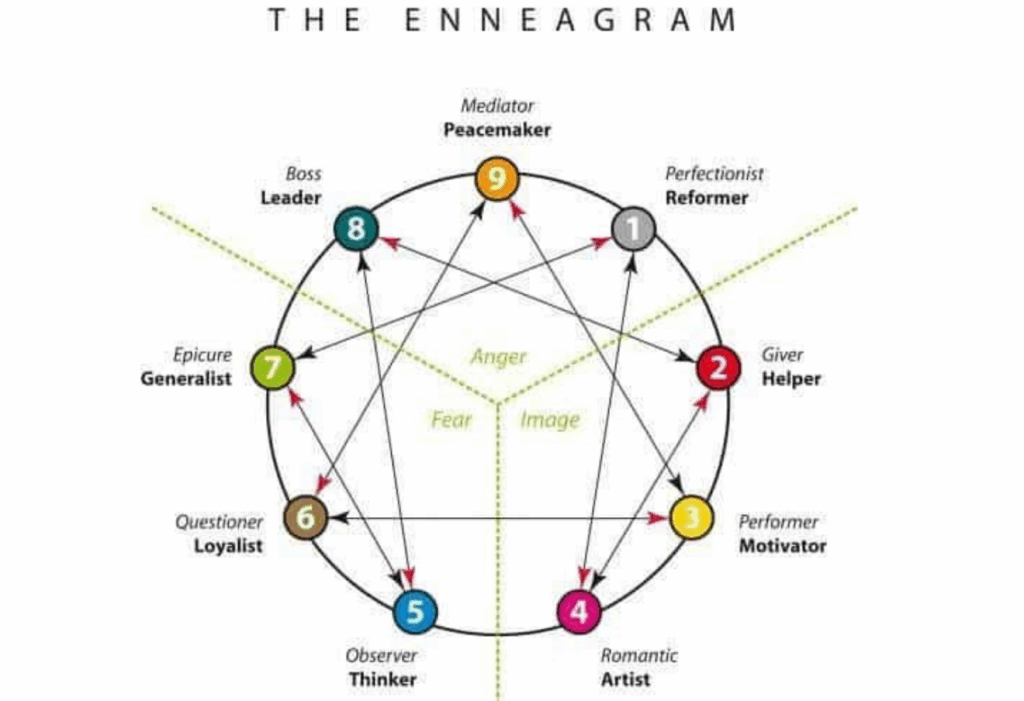
This advanced training delves deeper into the complexities of the Enneagram system and its application in the practice of helping professionals. Building upon foundational knowledge, participants will explore nuanced aspects of the Enneagram, including subtypes, talk styles, relationships, shame, and defense mechanisms. This course will also cover journaling and meditation strategies for each Enneagram type tailored specifically to the needs of social workers, counselors, case managers, and nurses. Participants will gain practical insights into leveraging the Enneagram to enhance client engagement, facilitate personal growth, and foster more effective therapeutic relationships.

Course Objectives:

By the end of the course, the participant will be able to:

  1. Examine advanced Enneagram concepts, including subtypes and dynamic interactions between core types and wings in relationships.
  2. Identify Enneagram-based interventions and techniques to support clients in navigating challenges, fostering resilience, and promoting self-awareness.
  3.  Analyze case studies illustrating the application of the Enneagram within diverse cultural contexts and client populations, fostering cultural humility and sensitivity.
  4. Develop strategies for integrating Enneagram insights into therapeutic frameworks, treatment planning, and interdisciplinary collaboration within healthcare and social service settings.
  5. Discover self-awareness and reflective practice among helping professionals through guided exploration of personal Enneagram dynamics and blind spots.

Presenters:

Yekaterina Smith, E-RYT® 500, YACEP®, www.theyogasmith.com, and Co-host of Enneagram+Yoga Podcast

As a yoga teacher, Kat feels a deep passion for practicing and instruction. Yoga empowers her to find her inner strength both on and off my mat. It helps Kat live her life with mindfulness and joy, as well as reach a balance of a healthy body and a peaceful mind. Kat feels honored and overjoyed to share her love of yoga with each and every one of her students.

Kat is a graduate of the University of Tennessee Chattanooga. She holds an RYT 500 certification through Yoga Alliance and is the co-host of the Enneagram+Yoga podcast and is a  Certified Teacher in the Enneagram Spectrum Method (accredited by the International Enneagram Association). Kat’s website is www.theyogasmith.com

Kat lives on Signal Mountain and enjoys all her time spent with her husband Kevin and their two children, Olive and Reed. Namaste.

Christy Bonner, LMFT, M. Div, Doctor of Ministry, Private Practitioner, and Co-host of Enneagram+Yoga Podcast

Christy Bonner is a licensed marriage and family therapist, a certified yoga instructor, and a board-certified chaplain. Her educational background includes a Bachelor of Arts from Emory and Henry College, a Master of Divinity from Emory University, and a Doctor of Ministry from Louisville Presbyterian Theological Seminary. She has a private practice, teaches yoga and co-hosts the podcast, Enneagram+Yoga. In her free time, she enjoys hiking, antiquing, and spending time with her family, friends, husband, and 2-year-old daughter.

Filed Under: VOD Courses

ODL 309: From Struggle to Strength: Innovative Approaches to Treating Childhood Anxiety

October 24, 2024 by Nicole Errickson

Please make sure to check with your own state board to ensure the transferability of CE credit for an asynchronous course. Some state boards may place restrictions regarding the modality of training required for ethics credits to be awarded. If this training indicates ethics credits are available, please verify that your state allows them to be earned through an on-demand course format.

Please note: This on-demand webinar is a replay of a live CE event. The format reflects the original presentation and may include live Q&A, transitions, and intermittent audio/visual fluctuations typical of a live recording.

5 CREDIT HOURS APPROVED FOR:

Social Workers
ASWB ACE – 5 CE Credits
New York State Education Department’s State Board for Social Work – 5 Contact Hours
Psychologists
APA – 5 CE Credits
Counselors
NBCC ACEP – 5 Contact Hours
New York State Education Department’s State Board for Mental Health Practitioners – 5 Contact Hours
Addiction Professionals
NAADAC – 5 Contact Hours
Nurses
California Board of Registered Nursing – 5 Contact Hours
Case Managers
CCMC – 5 CE Contact Hours- EXPIRES 10/11/26

Created On: 10/22/2024       Revised On: 7/21/2026

Attention Case Managers ONLY: CCMC expires on this course on 10/11/26 and will not be renewed. Please complete before this date.

Target Audience:

This course is targeted for social workers, psychologists, case managers, nurses, and counselors.

Instructional Level:

Beginner

Counselor Skill Groups: 

1. Clinical Intake and Screening
2. Clinical Assessment
3. Treatment Plan
4. Counseling Services

Overview:

In this training, we will address childhood anxiety and strategies to make comprehensive changes. We will also examine some of the most used interventions and why many of these may often do more harm than good, and discover alternative, more effective strategies. Participants will walk away with outlines for both parent and educator book studies. The final hour of the presentation will feature the personal perspectives of a parent, focusing on the struggles faced at home and in school, providing valuable insights into the daily challenges and effective coping strategies. The training equips social workers, case managers, counselors, and nurses with the knowledge and tools necessary to support children facing anxiety, ensuring that interventions are not only effective but also nurturing and supportive of their overall well-being.

Course Objectives:

By the end of the session, the participant will be able to:

1.  Identify  the common signs and symptoms of anxiety in children.

2.  Analyze  the effectiveness and potential harms of traditional anxiety interventions.

3.  Examine alternative, evidence-based strategies for managing adolescent anxiety.

4.  Formulate  comprehensive plans for supporting anxious students in both home and school environments.

5.  Evaluate  the perspectives of parents to better understand the home struggles associated with adolescent anxiety.

Presenters:

Dr. Cindy Murphy, PhD, LPC, ACS, NCC, NCSC and Online School Counseling Faculty, Grand Canyon University

Dr. Murphy received her MEd in community agency counseling, and a PhD in Counselor Education and Supervision from Auburn University. She is a Licensed Professional Counselor (LPC-Georgia), Approved Clinical Supervisor (ACS), National Certified School Counselor (NCSC), Certified School Counselor (Georgia), and National Certified Counselor (NCC). Over the past 29 years, Dr. Murphy has worked with children and adults in a variety of settings including private practice, community agencies, and schools. She has extensive experience working with children and adolescents struggling with anxiety, adjustment issues, school issues, transitions to college, and trauma. Her research interests include anxiety treatment for children and adolescents, equity in the college admissions process, and school crisis response. Currently, she is a full time online faculty member at Grand Canyon University and a part-time lecturer at the University of Georgia in the Department of Counseling and Human Development.

LeAnne Hale, MSW, Ed.S., CPT and School Social Worker, Oconee County Schools

LeAnne received her MSW and Ed.S. in School Social Work from the University of Georgia.  Over the last 24 years, she has served primarily as a K-12 school social worker but also served for 7 years as an elementary school counselor.  In these roles, LeAnne has served students from ages 5 to 20 years and their families to remove barriers to education due to multiple issues: mental health of students and parents, food insecurity, homelessness, poverty, and learning difficulties.  Her current interests include helping students, caregivers, and faculty learn to normalize and manage anxiety in order to live fulfilling lives. As a Certified Personal Trainer, LeAnne is also passionate about education related to how overall health and wellness, both physical and emotional, are linked together, and how adequate sleep, movement, good nutrition, and strong social relationships contribute to good mental health across the lifespan.

Anne McSweeney, LCSW, President, CEU Creations

Anne McSweeney, LCSW, President of CEU Creations, has a diverse background in medical social work, education, and community relations. With a social work career that spans over two decades, she has been planning continuing education trainings for over 17 years. Anne founded CEU Creations in 2010 to transform the CE landscape.  Her goal is to provide innovative trainings that keep the learner engaged, connect the learner with community resources/companies which allows for the CEs to be more affordable, and ultimately change best practices and outcomes.

Prior to founding CEU Creations, she practiced medical social work for over eight years – working primarily with the geriatric population in home health, hospice, and dialysis.  In 2015, she was appointed to the Fulton County Commission on Elderly Affairs where she served for five years as an advocate for seniors in Fulton County. She has served on the boards of The Aimee Copeland Foundation, The Atlanta Senior Care Network Niche and Ageless Interaction.   In her spare time, she enjoys spending time with her family – including her husband, two adult daughters, and two adorable pups, reading, and college football.

Filed Under: VOD Courses

ODL 308: Motivational Interviewing for Substance Use in Older Adults

October 23, 2024 by Nicole Errickson

Please make sure to check with your own state board to ensure the transferability of CE credit for an asynchronous course. Some state boards may place restrictions regarding the modality of training required for ethics credits to be awarded. If this training indicates ethics credits are available, please verify that your state allows them to be earned through an on-demand course format.

Please note: This on-demand webinar is a replay of a live CE event. The format reflects the original presentation and may include live Q&A, transitions, and intermittent audio/visual fluctuations typical of a live recording.

 1 CREDIT HOUR APPROVED FOR:

Social Workers
ASWB ACE – 1 CE Credit
New York State Education Department’s State Board for Social Work- 1 Contact Hour
Psychologists
APA – 1 CE Credit
Counselors
NBCC ACEP – 1 Contact Hour
New York State Education Department’s State Board for Mental Health Practitioners- 1 Contact Hour
Addiction Professionals
NAADAC – 1 Contact Hour
Nurses
California Board of Registered Nursing – 1 Contact Hour
Case Managers
CCMC – 1 CE Contact Hour

Created On:10/21/2024 Revised On: 7/22/2026

Target Audience:

This course is targeted for social workers, psychologists, counselors, nurses and case managers.

Counselor Skill Groups: 

3. Treatment Plan
4. Counseling Services

Instructional Level:

Beginner

Overview:

Substance use in older adults is occurring at increased levels. This webinar will explore the fundamentals of substance use in older adults and effective Motivational Interviewing (MI) strategies to support these clients. We will review key indications, case study profiles, and discuss why MI is so effective in counseling clients with substance abuse. Learn about special considerations regarding substance use in older adults and the value of integrating the SBIRT model into clinical practice.

Course Objectives:

By the end of the session, the participant will be able to:

  • Explain key considerations of substance use in older adults.
  • Identify at least three components of Motivational Interviewing skills for substance use.
  • Describe why Motivational Interviewing is effective when working with clients with substance abuse.

Presenter:

Diane Bigler, LCSW, LSCSW and owner of Diane Bigler Therapy Services, Inc. 

Diane Bigler is a Licensed Clinical Social Worker in Missouri and Kansas. She has over 20 years of experience in the social services field. Diane has held positions as a therapist (in-home and outpatient), private practice owner, trainer/facilitator, clinical supervisor, and Professor of Social Work. She also has experience in corporate wellness training and coaching. Diane is most passionate about providing quality educational training to professionals. She enjoys spoiling her four dachshunds and anything 80s-related.


Filed Under: 1 Hour On-Demand Training, VOD Courses

ODL 303: LGBTQ+ Health Education and Advocacy Summit: Advancing Expertise in LGBTQ+ Health and Ethical Considerations

October 18, 2024 by Nicole Errickson

Please make sure to check with your own state board to ensure the transferability of CE credit for an asynchronous course. Some state boards may place restrictions regarding the modality of training required for ethics credits to be awarded. If this training indicates ethics credits are available, please verify that your state allows them to be earned through an on-demand course format.

Please note: This on-demand webinar is a replay of a live CE event. The format reflects the original presentation and may include live Q&A, transitions, and intermittent audio/visual fluctuations typical of a live recording.

5 CREDIT HOURS APPROVED FOR:

Social Workers
ASWB ACE – 5 Ethics CEs Credits
New York State Education Department’s State Board for Social Work – 5 Contact Hours
Psychologists
APA – 5 CE Credits
Counselors –  5 Ethics or 5 Contact Hours*
NBCC ACEP – 5 Contact Hours
New York State Education Department’s State Board for Mental Health Practitioners – 5 Contact Hours
Addiction Professionals
NAADAC–5 Contact Hours
Nurses
California Board of Registered Nursing – 5 Contact Hours
Case Managers
CCMC – 5 Ethics CE Contact hours

* Some states do not require/accept ethics hours for counselors, for those cases contact hours will be awarded.

Created on: 10/18/24 Revised on: 6/26/26

Target Audience:

This course is targeted for social workers, psychologists, counselors, nurses and case managers.

Counselor Skill Groups: 

4. Counseling Services
6. Case Management
8. Legal, Ethical and Professional Development

Overview:

As helping professionals we work with many different patients and clients. LGBTQ+ clients often face unique challenges, and as helping professionals we have an ethical responsibility to understand these challenges and to respond to their unique needs. The LGBTQ+ Health and Advocacy Summit: Advancing Expertise in LGBTQ+ Health is focused on deepening your knowledge and honing advanced skills in LGBTQ+ advocacy. This day will feature expert-led panel discussions and sessions on critical topics such as the intersection of the LGBTQ+ community and HIV/AIDS, issues faced by LGBTQ+ elderly, and topics specific to the transgender community. We will also delve into advanced advocacy strategies, including legislative efforts and the ethical responsibilities of helping professionals. This is an invaluable opportunity for those looking to expand their expertise and make a more profound impact in supporting the LGBTQ+ community.

Course Objectives:

By the end of the session, the participant will be able to:

  • Analyze the intersection of the LGBTQ+ community and HIV/AIDS to better support affected individuals.
  • Examine issues faced by LGBTQ+ elderly and explore tailored approaches for their care.
  • Investigate advanced topics related to transgender health and rights to enhance specialized support.
  • Discover ways to advocate for LGBTQ+ rights through understanding and engaging in legislative processes.
  • Apply ethical principles in professional practice to ensure inclusive and respectful support for LGBTQ+ clients.

Presenters:

Chase Glenn (he/him), AFFA

Chase Glenn is the Executive Director of the Alliance For Full Acceptance (AFFA), and a highly regarded public speaker, workshop facilitator, and LGBTQ+ community advocate, boasting over 15 years of experience in advocating for LGBTQ-identified children, youth, and adults. Drawing from both professional training and personal experience as a transgender man, Chase delivers impactful education on the lived experiences of LGBTQ+ individuals, as well as best practices for fostering inclusive and affirming spaces. Originally from Illinois, Chase has resided in South Carolina since 2006. He holds a B.A. in Religion from Belmont University and an M.A. in Counseling from Webster University. He is a Furman University Diversity Leaders Initiative Riley Fellow, class of 2018, and an Aspen Institute Liberty Fellow, Class of 2023.

Gabriella Mulder (she/her)

Gabriella Mulder (she/her) is a Training Specialist with Howard Brown Health’s Department of Education in the Center for Education, Research, and Advocacy. Gabi holds a bachelor’s degree from the University of Chicago in Gender and Sexuality Studies and Sociology, and a master’s degree from DePaul University in Women’s and Gender Studies. In her current role, Gabi provides and develops culturally humble, evidence based, interactive trainings on LGBTQ+ health and manages internship placements. She is passionate about gender and sexuality studies, LGBTQ+ health, and fat studies.

Michael (Mike) Elizabeth (they/them), Equality Federation

Mike is the Director of Public Health Policy at Equality Federation. In this role, they work with member organizations to leverage their advocacy capacity to influence state and federal policy while ensuring effective implementation of those policies. They have spent the last 10 years rooted in LGBTQ political and community organizing ranging from LGBTQ policy work with state and local elected officials in Texas to HIV/AIDS advocacy fighting HIV Criminalization laws and for adequate public health funding and culturally competent prevention services. Mike is very proud of their role as former President of the Houston GLBT Political Caucus, growing the organization to be one of the most diverse and largest membership-driven LGBTQ civil rights organizations in the South, which held local elected officials accountable to the LGBTQ community while helping elect pro-LGBTQ candidates.

Dr. Annie Andrews (she/her), Their Future. Our Vote.

Dr. Annie Andrews is a pediatrician and mom, who has dedicated her career to fighting for a brighter future for all children. After working as a pediatrician at children’s hospitals for 15 years, she decided to run for Congress to give children a voice in Washington, D.C.. She was the Democratic nominee in South Carolina’s first congressional district in 2022. She is the CEO and Founder of Their Future. Our Vote., a national non-profit advocacy organization dedicated to advancing a Kids First Agenda, and Their Future PAC, the first ever Political Action Committee working to elect a Kids First Majority to the US House of Representatives. Annie is currently a Clinical Professor of Pediatrics at George Washington University in Washington, D.C., where she cares for children and adolescents at Children’s National Hospital. She is a contributor for The Arena, South Carolina’s only progressive media company. She is a gun violence prevention researcher and community advocate working to reduce the frequency of pediatric firearm injuries. She is also a Senior Advisor to Everytown for Gun Safety and Moms Demand Action.

Panelists: 

Aiko Herbert

Aiko Herbert is a native of South Carolina, is a talented disc jockey and passionate advocate for the trans community. He studied audio and video production at the Art Institute of Atlanta, where he honed his skills in sound and performance. With over 11 years of experience as a DJ, Aiko founded Dj Aiko Finesse LLC, entertaining and catering events across the East Coast. In 2023, Aiko established the organization He Is Me I Am Him, dedicated to building a resource and visibility platform for men of the trans community. Through his work, Aiko combines his love for music with a commitment to advocacy, making a positive impact on the lives of others.

M. Greg Green (he/him), Author, Advocate for Transgender Rights, Transitional Consultant, Diversity, Equality, Justice, Inclusion Conversation Facilitator

M. Greg Green is an author, diversity & inclusion facilitator, Community Health Worker, and community advocate that uses his years of experience as a police officer and firefighter to facilitate and humanize access to public resources while shifting the corporate culture for his communities. As an advocate, corporate trainer, and entrepreneur, he currently serves as the Executive Director of Transgender Awareness Alliance,  CEO of Miskonception LLC, is on the Board of Directors for The Citadel’s African American Alumni Association and is a 2024 Clyburn Fellow.

Greg is a skilled and engaging speaker on transformative public service, trans visibility and awareness in the corporate world, and intersectionality within the LGBTQ+ community. He has spoken in Washington DC with the U.S. Department of Justice, Federal Bureau of Prisons, Dorn VA Hospital, Federal Correctional Institution in Edgefield, SC, Federation of Families Summer Summit, The International Conference on Stigma, and many other engagements and keynotes.

Tee Joseph (they/them):

Tee Joseph is a dedicated advocate for marginalized communities, renowned for their unwavering commitment to diversity, equity, and inclusion. Born in the UK and moving to New York at 16, Tee has resided in South Carolina since 2005, where they have focused their career on championing the rights and dignity of underserved populations.

As the Executive Director of the Transgender Awareness Alliance, Tee leads efforts to provide essential aid, resources, and advocacy for the transgender community. They also serve as the CFO and facilitator for Miskonception, creating tailored training programs that promote workplace equity and respect.

Tee is a certified Community Health Worker (CHW) and a Center for Community Health Alignment Ambassador, roles in which they advocate for improved healthcare access and education, particularly for vulnerable groups. Their influence is furthered by their participation as a Families USA Fellow for 2023-2024, contributing to national healthcare policy discussions.

Tee’s work is driven by a core belief in the right of every individual to live freely and express themselves without harm. They are compassionate and dedicated to creating inclusive spaces inspiring with kindness, love, and guidance, to ensure people’s gifts shine. 

Panelists:

Jamie Harper (he/him), Parent

Jamie was born and raised in southern California and moved to the Salt Lake City area of Utah in 2007 for work.  A husband of 31 years, Jamie is married to his high-school sweetheart, Karmel, and is a father of three.  Jamie and Karmel’s youngest son, Forrest (nearly 20 years old), is transgender and they have both supported their son’s transition and journey from when Forrest first came out as gay in February 2019 at the age of 15.  The ongoing support has involved navigating relationships and conversations with family and friends through a very conservative and religious background and community.

Karmel Harper, (she/her), Parent

Karmel grew up in Southern California and married her high school sweetheart, Jamie Harper, in 1993. In 2007, they moved to Salt Lake City, Utah, with their three children. Karmel is the proud mother of Forrest, a 19-year-old transgender man, and has embraced the journey of parenting an LGBTQ+ child since he came out as gay in 2019. That pivotal evening inspired Karmel to seek out local resources, connecting with close friends in the community. She joined Mama Dragons, a Utah-based non-profit that supports and empowers mothers of LGBTQ+ children. Karmel also became actively involved with Encircle, another organization that provides safe spaces for LGBTQ+ youth to access mental health services, participate in social events, and receive peer support. Encircle also provides education and support for parents. These local resources have been instrumental in providing the family with assistance and education for Forrest’s transition – both medically and legally. 

Roxanne Robinson (she/her), Parent

Roxanne is originally from San Francisco, California. She has been married 25 years to her husband (Graeme) who is originally from England. They met through work in Los Angeles, and welcomed fraternal twin girls  in 2000. They then moved to Georgia in 2001 and welcomed their third child (daughter) in 2002. Roxanne stopped working upon having the twins in 2000 since she and Graeme both traveled for work and did not have any family living close by.  She feels fortunate that we were in a position to make that choice for their family.  One of the twins came out as transgender male in 2015 (freshman year of high school).

Filed Under: VOD Courses

ODL 302: LGBTQ+ Health Education and Advocacy Summit: Foundations for Inclusive Care and Ethical Considerations

October 17, 2024 by Nicole Errickson

Please make sure to check with your own state board to ensure the transferability of CE credit for an asynchronous course. Some state boards may place restrictions regarding the modality of training required for ethics credits to be awarded. If this training indicates ethics credits are available, please verify that your state allows them to be earned through an on-demand course format.

Please note: This on-demand webinar is a replay of a live CE event. The format reflects the original presentation and may include live Q&A, transitions, and intermittent audio/visual fluctuations typical of a live recording.

6 CREDIT HOUR(S) APPROVED FOR:

Social Workers
ASWB ACE – 6 Ethics CEs Credits
New York State Education Department’s State Board for Social Work – 6 Contact Hours
Psychologists
APA – 6 CE Credits
Counselors-  6 Ethics or 6 Contact Hours*
NBCC ACEP – 6 Contact Hours
New York State Education Department’s State Board for Mental Health Practitioners – 6 Contact Hours
Addiction Professionals
NAADAC–6 Contact Hours
Nurses
California Board of Registered Nursing – 6 Contact Hours
Case Managers
CCMC – 6 Ethics CE Contact hours

* Some states do not require/accept ethics hours for counselors, for those cases contact hours will be awarded.

Created on: 10/17/24 Revised on: 6/29/26

Target Audience:

This course is targeted for social workers, psychologists, counselors, nurses and case managers.

Counselor Skill Groups:

4. Counseling Services
6. Case Management
8. Legal, Ethical and Professional Development

Overview:

In today’s world, we are expected to trust and connect with our primary health providers when they only have moments to spend with each patient. We are expected to develop trust and rapport in a quick ten minute appointment. The LGBTQ+ Health and Advocacy Summit is designed for helping professionals to gain essential knowledge and skills in supporting and advocating for the LGBTQ+ community. This summit will cover fundamental topics such as LGBTQ+ terminology, health disparities, and effective allyship. Through engaging sessions led by experienced speakers, attendees will learn how to create inclusive and affirming environments in their professional and personal lives. Whether you are new to LGBTQ+ advocacy or looking to strengthen your foundational understanding, this presentation offers valuable insights and practical tools to enhance your impact.

Course Objectives:

By the end of the session, the participant will be able to:

  • Identify basic LGBTQ+ terminology and concepts to improve communication and understanding.
  • Recognize health disparities experienced by LGBTQ+ individuals and explore strategies to address these disparities.
  • Formulate skills for advocating for LGBTQ+ rights and supporting individuals as an effective ally.
  • Examine best practices for creating safe and affirming spaces in various professional settings.
  • Analyze personal stories and professional insights to gain a deeper understanding of the LGBTQ+ experience.
  • Give examples of networking opportunities to build connections and share knowledge with peers.

Presenters:

Fran Hutchins (They/She), Executive Director at Equality Federation

Fran is the Executive Director at Equality Federation, the national strategic partner to state-based organizations working to win equality in the communities we call home. She has been with the Federation since 2012 and has worked on the ground with our partners to build strong organizations, develop tailored strategies, and create data-driven solutions to meet the needs of our movement. Fran’s career has focused on building a strong progressive movement that changes the way we approach some of our most pressing social problems: poverty, homelessness, education, economic inequality, and discrimination. She is especially proud to have served as Regional Field Director for Mainers United for Marriage, the successful 2012 campaign to win marriage for same-sex couples in Maine.

M. Greg Green (He/Him), Author, Advocate for Transgender Rights, Transitional Consultant, Diversity, Equality, Justice, Inclusion Conversation Facilitator

M. Greg Green is an author, diversity & inclusion facilitator, Community Health Worker, and community advocate that uses his years of experience as a police officer and firefighter to facilitate and humanize access to public resources while shifting the corporate culture for his communities. As an advocate, corporate trainer, and entrepreneur, he currently serves as the Executive Director of Transgender Awareness Alliance,  CEO of Miskonception LLC, is on the Board of Directors for The Citadel’s African American Alumni Association and is a 2024 Clyburn Fellow.

Greg is a skilled and engaging speaker on transformative public service, trans visibility and awareness in the corporate world, and intersectionality within the LGBTQ+ community. He has spoken in Washington DC with the U.S. Department of Justice, Federal Bureau of Prisons, Dorn VA Hospital, Federal Correctional Institution in Edgefield, SC, Federation of Families Summer Summit, The International Conference on Stigma, and many other engagements and keynotes.

Chandler Massengale (She/They), LISW-CP, We Are Family

Chandler Massengale, a versatile professional in the fields of social work, therapy, advocacy, and a valued member of the WAF family, is recognized for taking on various roles. Their journey commenced as a Registered Behavioral Technician, engaging in Applied Behavior Analysis with children and adolescents on the autism spectrum. This early experience ignited a keen interest in comprehending behavior and recognizing the unique strengths and needs of individuals. Above all, Chandler is dedicated to social justice, service, and upholding integrity in their role as a social worker. Proudly graduated from the College of Charleston with a B.A. in Psychology in 2017, she went on to earn her master’s degree in Social Work from Louisiana State University in 2020. Chandler employs an eclectic therapeutic approach, drawing inspiration from the Systems Perspective and Acceptance and Commitment Therapy. Her practice is characterized by a sex-positive, LGBTQIA+ affirming, feminist, and client-centered approach, focusing on the intersection of neurodiversity and queerness. At We Are Family, she owns the Mental Health Assistance Program. A program that provides accessible mental health services for LGBTQI+ youth in South Carolina by connecting them with affirming and knowledgeable therapists for free. Since its creation in 2020, the program has provided over 2,000 hours of free therapy sessions for over 190 youth with a growing network of affirming therapists. Chandler also includes care for the parents of LGBTQI+ youth by co-facilitating a parent support group and play therapy group for elementary aged young people with another affirming therapist in Charleston, SC.

Luca Valentine (They/Them), LMSW, CMFT

Luca is a non-binary provider that serves clients in Georgia. They have both lived and professional experience at the intersection of gender and neurodiversity. Luca graduated with their MSW in 2017 from UGA, has been teaching and training since 2011, and working in mental health since 2013. Luca works in a solo practice providing individual, group, and family therapy as well as occasional in-home services.

Chase Glenn (He/Him), AFFA

Chase Glenn is the Executive Director of the Alliance For Full Acceptance (AFFA), and a highly regarded public speaker, workshop facilitator, and LGBTQ+ community advocate, boasting over 15 years of experience in advocating for LGBTQ-identified children, youth, and adults. Drawing from both professional training and personal experience as a transgender man, Chase delivers impactful education on the lived experiences of LGBTQ+ individuals, as well as best practices for fostering inclusive and affirming spaces. Originally from Illinois, Chase has resided in South Carolina since 2006. He holds a B.A. in Religion from Belmont University and an M.A. in Counseling from Webster University. He is a Furman University Diversity Leaders Initiative Riley Fellow, class of 2018, and an Aspen Institute Liberty Fellow, Class of 2023.

Panelists:

Kendra O’Berry, LCSW, (She/Her) is a graduate of Valdosta State University with her Bachelor’s in English and Master’s degree in Social Work. She is an LCSW and has been working in the medical and mental health fields for most of her career. She is a wife, mother, and travel enthusiast. It is her hope to be able to educate not only her peers but as many in the community as possible of their rights, and how to live their best lives. 

Tucker Duval (He/Him) grew up in Auburn, Georgia. He graduated from the United States Military Academy at West Point in 2012 and served for five years as a US Army Engineer Officer. After leaving active duty in 2017, he joined the National Center for Transgender Equality to advocate for the full inclusion of transgender members of the U.S. Armed Forces. Following a stint in the finance and operations department at NCTE, he returned home to pursue an MBA at the University of Georgia, where he fell in love with Athens and discovered his passion for local government. He now serves as the Treasurer for Athens-Clarke County Unified Government. He lives contentedly near downtown Athens with his spouse, Sarah, and their two dogs and one cat.

Sarah Harbin-Coleman (She/Her/Mx) is a therapist and advocate for LGBTQIA+ communities. She owns Park Circle Counseling, where she practices therapy and trains graduate students in queer and trans competencies for mental health.  She is also a board member for We Are Family. 

Kenya Cummings (They/Them/Theirs) – Kenya is a Black organizer and Healer from the South. They have a deep commitment to the South and South Carolina. Kenya is focused on community building and joy cultivation as the center of their life’s work They are proud to call South Carolina Housing Justice Network their political home. They are a graduate of the University of Kentucky with a Bachelor of Science degree in Family Science with a minor in African American Studies. Kenya is a graduate of Methodist Theological School in Ohio with a Master’s of Divinity.

Filed Under: VOD Courses

A Journey Through the Personality Disorders: Exploring Diagnosis and Treatment Approaches

October 17, 2024 by Jess W

Filed Under: Uncategorized

Culturally Proficient Leadership for Helping Professionals

October 17, 2024 by Jess W

Filed Under: Uncategorized

Telemental Health and Ethics

October 17, 2024 by Jess W

Filed Under: Uncategorized

ODL 307:  Ethical and Legal Considerations in Culturally Competent Care

October 17, 2024 by Nicole Errickson

Please make sure to check with your own state board to ensure the transferability of CE credit for an asynchronous course. Some state boards may place restrictions regarding the modality of training required for ethics credits to be awarded. If this training indicates ethics credits are available, please verify that your state allows them to be earned through an on-demand course format.

Please note: This on-demand webinar is a replay of a live CE event. The format reflects the original presentation and may include live Q&A, transitions, and intermittent audio/visual fluctuations typical of a live recording.

1 CREDIT HOUR APPROVED FOR:

Social Workers
ASWB ACE – 1 Ethics CE Credit
New York State Education Department’s State Board for Social Work – 1 Contact Hour
Psychologists
APA – 1 CE Credit
Counselors- 1 Ethics Hour or 1 Contact Hour*
NBCC ACEP – 1 Contact Hour
New York State Education Department’s State Board for Mental Health Practitioners – 1 Contact Hour
Addiction Professionals
NAADAC–1 Contact Hour
Nurses
California Board of Registered Nursing –1 Contact Hour
Case Managers
CCMC – 1 Ethics CE Contact hours

* Some states do not require/accept ethics hours for counselors, for those cases contact hours will be awarded.

Created on: 10/17/24 Revised on: 8/24/26

Target Audience:

This course is targeted for social workers, psychologists, counselors, nurses and case managers.

Instructional Level:

Beginner

Counselor Skill Groups:

8. Legal, Ethical and Professional Development

Overview:

“Ethical & Legal Considerations in Culturally Competent Elder Care” focuses on the need for culturally sensitive practices in elder care. It addresses cultural competence, emphasizing the importance of understanding and respecting diverse cultural values, beliefs, and customs when interacting with older adults. The concept of cultural humility is introduced as a continuous process of self-reflection and openness to learning. The presentation also explores intersectionality, highlighting how factors such as race, gender, socioeconomic status, and disability intersect to shape unique experiences for older adults, often leading to disparities in care. Additionally, it discusses key ethical principles—like autonomy, justice, and beneficence—and provides legal guidance on topics such as informed consent, advance directives, and elder protection laws, all aimed at delivering ethically and legally sound care that acknowledges the cultural context of aging.

Course Objectives:

By the end of the session, the participant will be able to:

  1. Express an understanding of cultural competence and humility in elder care. 
  2. Discover the impact of intersectionality on the experiences of older adults.
  3. Apply ethical and legal guidelines for culturally competent elder care.

Presenter:

Lisa Bednarz, LCSW, CMAC, ACM-SW, ASW-G

Lisa began her career serving as a community guardian for incapacitated older adults before joining New York-Presbyterian’s distinguished geriatrics team, and ultimately moving fully into healthcare leadership. She has front-line experience navigating the intersection of the healthcare and legal systems and uses this knowledge to educate physicians on ethical issues in gerontology, including capacity assessments and elder abuse. She has developed and implemented screening tools and response protocols to address elder abuse within the acute care setting. Lisa has advanced training in trauma-focused care, family systems, and healthcare management. She is a former Hartford Fellow in Geriatric Mental Health and a former advisor for the Vulnerable Elder Protection Team at Weill Cornell Medical College. Lisa operates a small geriatric care management practice and acts as a consultant and speaker on psychosocial health in the aging population and ethical decision-making in work with cognitively impaired clients. Lisa lives in New York City with her family.

Filed Under: 1 Hour On-Demand Training, VOD Courses Tagged With: On-Demand

ODL 306: Addressing Health Disparities in Aging Communities

October 16, 2024 by Nicole Errickson

Please make sure to check with your own state board to ensure the transferability of CE credit for an asynchronous course. Some state boards may place restrictions regarding the modality of training required for ethics credits to be awarded. If this training indicates ethics credits are available, please verify that your state allows them to be earned through an on-demand course format.

Please note: This on-demand webinar is a replay of a live CE event. The format reflects the original presentation and may include live Q&A, transitions, and intermittent audio/visual fluctuations typical of a live recording.

1 CREDIT HOUR APPROVED FOR:

Social Workers
ASWB ACE – 1 Ethics CEs Credit
New York State Education Department’s State Board for Social Work – 1 Contact Hour
Psychologists
APA – 1 CE Credit
Counselors-
1 Ethics Hour or 1 Contact Hour*
NBCC ACEP – 1 Contact Hour
New York State Education Department’s State Board for Mental Health Practitioners – 1 Contact Hour
Addiction Professionals
NAADAC–1 Contact Hour
Nurses
California Board of Registered Nursing –1 Contact Hour
Case Managers
CCMC – 1 Ethics CE Contact hour

* Some states do not require/accept ethics hours for counselors; for those cases contact hours will be awarded.

Created on: 10/16/24 Revised on: 8/25/26

Target Audience:

This course is targeted for social workers, psychologists, counselors, nurses and case managers.

Instructional Level:

Beginner

Counselor Skill Groups: 

6. Case Management
8. Legal, Ethical and Professional Development

Overview:

Join Dr. Kalisha Bonds Johnson as she explores the significant health disparities faced by older adults, particularly those from marginalized communities, and discover the emphasis on the role of social determinants of health (SDOH) such as economic stability, healthcare access, and social context. Discover the need for culturally-tailored and adapted interventions that respect individuals’ backgrounds, ensuring more effective, person-centered care is highlighted. The concept of intersectionality is discussed, illustrating how overlapping social identities compound disadvantages in healthcare. Through a case study of an older adult, the presentation demonstrates the practical application of these concepts, while also addressing the ethical responsibility of healthcare professionals to combat disparities by promoting justice, autonomy, and cultural competence in their practice.

Course Objectives:

By the end of the session, the participant will be able to:

  1. Explain and understand health disparities in aging communities by exploring the impact of social determinants of health (SDOH) and their effects on marginalized populations.
  2. Determine culturally-tailored and culturally-adapted interventions to address the unique needs of diverse older adults, ensuring person-centered care that aligns with their cultural backgrounds.
  3. Apply culturally responsive approaches in healthcare settings to promote health equity and improve outcomes for aging adults, while adhering to ethical principles such as justice, autonomy, and beneficence.

Presenter:

Kalisha Bonds Johnson, PhD, RN, PMHNP-BC

Dr. Kalisha Bonds Johnson is an assistant professor at Emory University’s Nell Hodgson Woodruff School of Nursing in Atlanta, Georgia, and a psychiatric mental health nurse practitioner at Emory University’s Integrated Memory Care, a primary care clinic tailored to the care of persons living with dementia and their families. She is also the Principal Investigator of the DECIDE Research Lab. She graduated from The University of Tennessee at Martin with a Bachelor of Science in Nursing, graduated with a Master of Science in Nursing from Vanderbilt University, and graduated with a PhD from Oregon Health & Science University. She completed her postdoctoral training (or training after completing a PhD) at Emory University. Dr. Bonds Johnson’s research focuses on improving health care decision-making processes for Black American persons living with dementia and their family care partners as well as improving the communication between primary care providers and these families. 

Filed Under: 1 Hour On-Demand Training, VOD Courses

ODL 305:  Communication Strategies for Cross-Cultural Care

October 11, 2024 by Nicole Errickson

Please make sure to check with your own state board to ensure the transferability of CE credit for an asynchronous course. Some state boards may place restrictions regarding the modality of training required for ethics credits to be awarded. If this training indicates ethics credits are available, please verify that your state allows them to be earned through an on-demand course format.

Please note: This on-demand webinar is a replay of a live CE event. The format reflects the original presentation and may include live Q&A, transitions, and intermittent audio/visual fluctuations typical of a live recording.

1 CREDIT HOUR APPROVED FOR:

Social Workers
ASWB ACE – 1 Ethics CE Credit
New York State Education Department’s State Board for Social Work – 1 Contact Hour
Psychologists
APA – 1 CE Credit
Counselors- 1 Ethics Hour or 1 Contact Hour*
NBCC ACEP – 1 Contact Hour
New York State Education Department’s State Board for Mental Health Practitioners – 1 Contact Hour
Addiction Professionals
NAADAC–1 Contact Hour
Nurses
California Board of Registered Nursing –1 Contact Hour
Case Managers
CCMC – 1 Ethics CE Contact hour

* Some states do not require/accept ethics hours for counselors, for those cases contact hours will be awarded.

Created on: 10/11/2024 Revised on: 8/21/26

Target Audience:

This course is targeted for social workers, psychologists, counselors, nurses and case managers.

Instructional Level:

Beginner

Counselor Skill Groups:

1. Clinical Intake and Screening

Overview:

“Communication Strategies for Cross-Cultural Care” by Shanice Rice, MSW, LCSW, explores effective communication strategies for bridging cultural and language barriers in eldercare settings. It emphasizes the importance of cultural competence, the role of non-verbal communication, and the use of interpreter services to ensure culturally sensitive interactions with seniors and their families. The presentation highlights practical tips, such as building rapport through respect and empathy, recognizing implicit biases, and addressing generational and cultural differences in caregiving. Additionally, it references ethical guidelines for social workers, providing a foundation for offering culturally informed services that empower marginalized groups​.

Course Objectives:

By the end of the session, the participant will be able to:

1. Identify and apply effective communication techniques, including non-verbal cues and interpreter services, to bridge cultural and language barriers when interacting with seniors and their families.
2. Recognize and manage implicit biases to promote culturally sensitive care, while respecting diverse cultural beliefs, values, and traditions in eldercare settings.
3. Apply strategies for building trust and rapport with older adults from diverse backgrounds by fostering respect, empathy, and active listening during care interactions​.

Presenters:

Shanice Rice, MSW, LCSW

Shanice Rice, MSW, LCSW, is a Licensed Clinical Social Worker in Georgia. She has over 15 years’ experience in the fields of psychology, social work and mental health. Shanice obtained her master’s degree in social work in 2013 from Valdosta State University with clinical concentrations in psychopathology and mental health. She was awarded a graduate assistantship during this time where she researched and assisted twice exceptional learners; children who are highly gifted in areas like math/science who also have learning challenges to include ADHD, dyslexia or autism. Shanice has a fervency to serve others, beginning her experience as an investigator with Georgia’s Division of Children and Family Services where she served as an advocate for vulnerable populations. Shanice has worked as a forensic social worker within Georgia Regional State Psychiatric Hospital, assessing the competency of individuals to stand trial. Her passion for leadership was realized during her time as program manager and community liaison within DeKalb Community Service Board where she excelled, leading and inspiring her team to exceed the standard. Shanice also has management and leadership experience within the Veterans Administration where she has provided clinical interventions and oversight to Atlanta’s homeless population. Shanice is a breast cancer survivor and has been able to utilize this experience to empower others through her role as a professional in oncology social work and healthcare. Shanice began her private practice, Forward Faith Counseling and Wellness in 2020, where she has been able to provide therapeutic services that target individuals struggling with depression, anxiety, grief, trauma, codependency, as well as men and women’s issues. Shanice is dedicated to growth and development and hopes to continue her impact through teaching, training, and consulting. 

Filed Under: 1 Hour On-Demand Training, VOD Courses Tagged With: On-Demand

ODL 304:  Understanding Cultural Diversity in Aging

October 9, 2024 by Nicole Errickson

Please make sure to check with your own state board to ensure the transferability of CE credit for an asynchronous course. Some state boards may place restrictions regarding the modality of training required for ethics credits to be awarded. If this training indicates ethics credits are available, please verify that your state allows them to be earned through an on-demand course format.

Please note: This on-demand webinar is a replay of a live CE event. The format reflects the original presentation and may include live Q&A, transitions, and intermittent audio/visual fluctuations typical of a live recording.

1.5 CREDIT HOURS APPROVED FOR:

Social Workers
ASWB ACE – 1.5 Ethics CEs Credits
New York State Education Department’s State Board for Social Work – 1.5 Contact Hours
Psychologists
APA – 1.5 CE Credits
Counselors- 1.5 Ethics Hours or 1.5 Contact Hours*
NBCC ACEP – 1.5 Contact Hours
New York State Education Department’s State Board for Mental Health Practitioners – 1.5 Contact Hours
Addiction Professionals
NAADAC–This course is not approved for NAADAC Contact hours.
Nurses
California Board of Registered Nursing –1.5 Contact Hours
Case Managers
CCMC – 1.5 Ethics CE Contact hours

* Some states do not require/accept ethics hours for counselors; for those cases contact hours will be awarded.

Revised: 8/20/26

Target Audience:

This course is targeted for social workers, psychologists, counselors, nurses and case managers.

Instructional Level:

Beginner

Overview:

Understanding cultural diversity in aging, particularly in the context of healthcare for older adults, emphasizes the importance of cultural competence, sensitivity, and humility in providing patient-centered care to diverse populations. In this training, Dr. Jasmine Dixon explores cultural diversity concepts,  like race, ethnicity, nationality, and social identities (e.g., age, language, gender identity) are explored. Intersectionality and U.S. demographic trends are also highlighted. Dr. Dixon also differentiates health inequities (systemic issues) from disparities (outcomes of social conditions) and explores how social determinants of health (e.g., economic stability, education, healthcare access) impact the aging population. This training encourages helping professionals to expand their perspectives and better meet the needs of older adults from diverse backgrounds, promoting health equity and reducing systemic barriers.

Course Objectives:

By the end of the session, the participant will be able to:

1. Recall the key definitions related to cultural diversity, such as race, ethnicity, nationality, and the social identities that impact aging experiences in the healthcare setting​.

2. Explain the demographic shifts in the aging population, including ethnicity, language, religion, and immigration status, to provide culturally appropriate care.

3. Consider strategies to overcome system and interpersonal barriers, enhance cultural competence, and integrate person-centered care for older adults from diverse backgrounds​.

Presenter:

Jasmine S. Dixon, PhD

Jasmine S. Dixon is a first-year postdoctoral fellow at the Mass General Brigham Fellowship in Clinical Neuropsychology within the Aging and Alzheimer’s Neuropsychology track. She completed her doctorate in clinical psychology at the University of Massachusetts Amherst and clinical internship at the Emory University School of Medicine, both with a focus in clinical neuropsychology. Her research interests include gender and racial disparities in risk for Alzheimer’s disease, as well as biopsychosocial risk and resiliency factors that impact cognitive aging and contribute to dementia disparities. Her clinical focus lies in Mild Cognitive Impairment, Alzheimer’s disease, and related dementias. 

Filed Under: VOD Courses

Connect America ODL 238: There’s No Place Like Home: Debunking Myths and Exploring Best Practices to Help Clients Age in Place

October 7, 2024 by Nicole Errickson

Created on 05/25/2023 Revised on 10/7/2024

Attention New Jersey Social Workers: 

This course is approved for all social workers, including New Jersey. The Board Adopted Amendments: N.J.A.C. 13:44G-6.3, 6.4, and 6.7 Content Areas for Continuing Education Credit on April 15, 2024. This updates the Board’s regulation. This amendment states that  attendance at programs or courses offered by providers approved by the Association of Social Work Boards (ASWB) are now acceptable sources of CE credit. 

At the June 12, 2024 public meeting, the Board voted to allow “any applications submitted, or audits which take place, on or after September 1, 2022” to be able “to submit CE from the sources updated in the new amendment adopted on April 15, 2024.”

For more information please refer to https://www.njconsumeraffairs.gov/sw/Pages/Additional-Information.aspx#CE

Target Audience:

This course is targeted for social workers, case managers, nurses, and counselors.

Overview:

All of the nation’s 74 million baby boomers will be 65 and older by the year 2030. Combining this rapidly growing population with the COVID-19 pandemic, many people are choosing to stay in their own homes or plan to stay in their homes as they reach their golden years. Triff Cook, MBA, CMC, Director of Client Services, Aging Life Care Expert, and Active Member of ALCA National Organization since 2009, will walk participants through best practices of helping our clients plan for aging in their own home. This training will debunk all the myths and provide many tried and true resources that helping professionals can use to assess the needs of their aging clients in the home. Triff will bring her years of experience and discuss topics such as the home environment, managing expectations, hoarding, occupational therapy services, technology, and much more!

Course Objectives:

By the end of the session – the participant will be able to:

  • Recognize the impact of COVID-19 and aging in the home
  • Give examples of myths and misconceptions regarding long-term care insurance
  • Identify the services that an occupational therapist can help with aging in place
  • List different types of technology that would be beneficial to clients and caregivers

Presenter:

Triff Cook, MBA, CMC 

Triff Cook has over 13 years of experience working with the senior population in the home care arena.  She is a certified case manager, Aging Life Care Expert, and has been an active member of the ALCA national organization since 2009. 

A seasoned researcher and speaker on many aging issues, she has authored and presented numerous Continuing Education Units in area hospitals.   She has been a speaker at the ALCA Annual Conference in 2015, the Georgia Gerontology Association Annual Meeting in 2014, and the National Association Social Workers Southeastern Conference 2013, 2014, and 2015.  In addition, she has presented at numerous CEU Creations presentations at various hospitals including Emory, Piedmont, and many others in the Atlanta area.  

With this unique topic of Ageism – Triff has “hands-on” experience with this topic as she has both dealt with this personally AND watched many of her clients/families struggle with this.  Through her real-life experience and additional research on the topic – she brings both worlds together and is a wealth of information on this topic.

1 CREDIT HOUR APPROVED FOR:

Social Workers
ASWB ACE – 1 CE Credit
New York State Education Department’s State Board for Social Work – 1 Contact Hour
Case Managers
CCMC – 1 Contact Hour
Nurses
California Board of Registered Nursing – 1 Contact Hour
Counselors
NBCC ACEP – 1 Contact Hour
New York State Education Department’s State Board for Mental Health Practitioners – 1 Contact Hour

Please make sure to check with your own state board to ensure the transferability of CE credit for an asynchronous course. Some state boards may place restrictions regarding the modality of training required for ethics credits to be awarded. If this training indicates ethics credits are available, please verify that your state allows them to be earned through an on-demand course format.

Filed Under: Decommissioned

Connect America ODL 232: Bringing Joy and Purpose to the Frontlines of Caregiving

October 7, 2024 by Nicole Errickson

Revised on 09/27/2024

Attention New Jersey Social Workers: 

This course is approved for all social workers, including New Jersey. The Board Adopted Amendments: N.J.A.C. 13:44G-6.3, 6.4, and 6.7 Content Areas for Continuing Education Credit on April 15, 2024. This updates the Board’s regulation. This amendment states that  attendance at programs or courses offered by providers approved by the Association of Social Work Boards (ASWB) are now acceptable sources of CE credit. 

At the June 12, 2024 public meeting, the Board voted to allow “any applications submitted, or audits which take place, on or after September 1, 2022” to be able “to submit CE from the sources updated in the new amendment adopted on April 15, 2024.”

For more information please refer to https://www.njconsumeraffairs.gov/sw/Pages/Additional-Information.aspx#CE

Target Audience:

This course is targeted for social workers, case managers, nurses, and counselors.

Overview:

How often do you look through the lens of the care partner or caregiver of your clients? This thought-provoking course will cover all topics of being a care partner to someone with dementia or Alzheimer’s. Lisa Marshall, author of the NEW book Oh Hello Alzheimer’s: A Caregiver’s Journey of Love, will share her experiences through an interview-style format. Lisa shares her story, including diagnosis, early denial, progression of the disease, how Lisa and her husband coped, and most of all how they continued to bring joy and purpose to their lives. As someone who lived through all the experiences, Lisa also shared practical tips that helped with the day-to-day care of her husband and herself. Lastly, Lisa shares where she is in life today and how this road has changed her. 

Course Objectives:

By the end of the session – the participant will be able to:

  • Give examples of some practical strategies that could be used with clients
  • Describe the prevalence rates of early-onset dementia and Alzheimer’s
  • List signs and symptoms of early-onset dementia and Alzheimer’s

Presenters:

Lisa Marshall, Author of the NEW book Oh Hello Alzheimer’s: A Caregiver’s Journey of Love, personal blogger on Facebook with over 29,000 followers 

Lisa Marshall was the primary caregiver for her husband, Peter Marshall, who was diagnosed with early-onset Alzheimer’s in 2018 at the age of 53.  Lisa retired in 2020 from a professional sales career to care for her husband who could no longer be alone.  Peter passed away on December 26th, 2021, just three years and eight months after diagnosis. He was 56. 

She is passionate about advocating for support for caregivers and raises her voice to create awareness of the disease.  For over four years she has chronicled her and Peter’s daily journey at www.facebook.com/ohhelloalzheimers offering an honest, realistic, and raw look at Alzheimer’s disease, to followers all over the world.  Her book, Oh Hello Alzheimer’s, a love story and caregiver guide, is available on Amazon.  This book offers tips and tricks for caregivers, covering taboo topics not often talked about. She is also a contributing author of Chicken Soup for the Soul: Navigating Elder Care and Dementia. Her chapter depicts just one of the many sad nuances of Alzheimer’s.

Lisa and Peter’s journey has been covered on CNN, The Washington Post, Today.com, CBS Evening News, On the Road with Steve Hartman, People.com, and more. 

Continuing her passion, she holds virtual Alzheimer’s discussions with followers as well as private consultations, offering her insight, tips, and coping skills. Participants discuss their own unique stories and realize a sense of community together in a safe space. 

She works with companies that offer continuing education credits to medical professionals helping them to understand the disease.  Lisa shares tips she’s learned to help professional caregivers cope which ultimately helps their Alzheimer’s patients. 

Lisa works closely with the Alzheimer’s Association and led a team with Walk to End Alzheimer’s helping fund research to find a cure. Her team was the largest fundraising team in CT in 2021, raising more than $55,000.

When Lisa isn’t writing, she spends time with her family. She has three grown children, two stepchildren, and two grandsons who she babysits whenever she can. Additionally, she enjoys a very active life hiking, swimming in the neighborhood lake, going to the beach, visiting with friends, traveling, and gardening. Lisa practices meditation and vibrates positive energy and love to everyone she meets.  Her mantra is to find joy in life and live each day with no regrets. 

Jessica Patterson, LMSW, DSW CEU Creations Educational Manager

Jessica Patterson, LMSW, DSW, is a licensed social worker with over ten years of experience working in different systems. Jessica has a strong passion for teaching, training, and professional development. She also has a strong background around creating trauma informed systems, social emotional behavioral health and the implementation of community and individual support systems. 

Jessica has created and facilitated many professional development trainings throughout her career. Jessica’s role at CEU Creations includes developing curriculum, working with licensure boards, and presenting at various CE trainings. 

Jessica holds a Bachelor’s degree in organizational management and sociology from Ashford University. She received her Master’s in Social Work from University of Iowa and her Doctoral degree in Social Work from Capella University. Jessica is a licensed Social Worker through the state of Iowa. Jessica currently lives in Iowa with her husband, four children, two dogs, and cat. Any spare moment that Jessica has is usually spent running or reading.

1 CREDIT HOUR APPROVED FOR:

Social Workers
ASWB ACE – 1 CE Credit
New York State Education Department’s State Board for Social Work – 1 Contact Hour
Case Managers
CCMC – 1 Contact Hour
Nurses
California Board of Registered Nursing – 1 Contact Hour
Counselors
NBCC ACEP – 1 Contact Hour
New York State Education Department’s State Board for Mental Health Practitioners – 1 Contact Hour

Please make sure to check with your own state board to ensure the transferability of CE credit for an asynchronous course. Some state boards may place restrictions regarding the modality of training required for ethics credits to be awarded. If this training indicates ethics credits are available, please verify that your state allows them to be earned through an on-demand course format.

Filed Under: Decommissioned

ODL 285  Mindful Connections: Nurturing Gut and Brain Health for Holistic Well-Being

October 3, 2024 by Nicole Errickson

Please make sure to check with your own state board to ensure the transferability of CE credit for an asynchronous course. Some state boards may place restrictions regarding the modality of training required for ethics credits to be awarded. If this training indicates ethics credits are available, please verify that your state allows them to be earned through an on-demand course format.

1 CREDIT HOUR APPROVED FOR:

Social Workers
ASWB ACE – 1 CE Credit
New York State Education Department’s State Board for Social Work – 1 Contact Hour
Psychologists
APA – 1 CE Credit
Counselors
NBCC ACEP – 1 Contact Hour
New York State Education Department’s State Board for Mental Health Practitioners – 1 Contact Hour
Addiction Professionals
NAADAC – 1 Contact Hour
Nurses
California Board of Registered Nursing – 1 Contact Hour
Case Managers
CCMC – 1 Contact Hour

Created On: 10/2/24  Revised On: 1/28/26

Target Audience:

This course is targeted for social workers, psychologists, counselors, nurses and case managers.

Counselor Skill Groups:

4. Counseling Services
5. Documentation

Overview:

Many studies have been conducted showing high prevalence of burnout, compassion fatigue, and moral distress among helping professionals. Specifically, a study by the American Psychological Association found that about 75% of helping professionals reported experiencing burnout. There is also a growing body of research suggesting a connection between good gut health and overall well-being. Focusing on gut and brain health could contribute to a reduction in burnout and compassion fatigue. The gut-brain axis plays a crucial role in influencing various aspects of mental health and stress response. Rajitha Bommakanti, RN, BSN, NBC-HWC, CCM, FCN, will provide valuable insights into the intricate connection between gut health, brain health, and overall well-being. Participants will explore practical tips and strategies to enhance both gut and brain health, equipping them with the tools to foster a holistic approach in their personal and professional lives. 

Course Objectives:

By the end of the session – the participant will be able to:

  • Discover the scientific foundations of how gut health impacts brain function and emotional well-being
  • Name actionable strategies to support and improve gut health
  • Apply the knowledge gained to enhance professional effectiveness in the helping field

Presenter:

Rajitha Bommakanti, RN, BSN, NBC-HWC, CCM, FCN

Rajitha Bommakanti, RN, BSN, NBC-HWC, CCM, FCN, and culinary coach, has been practicing nursing for over 30 years in various medical specialties. She currently works as nurse case manager and as national board-certified health and wellness coach. 

In her nursing journey, Rajitha has seen gaps in patient care and the impact chronic medical conditions had on her patients’ quality of life.  She wanted to make a difference, so she moved into a health coaching/transformation space where she is a health partner in educating, inspiring, and empowering people to make small changes to their lives to improve their health. Rajitha is a habit change specialist.

Filed Under: 1 Hour On-Demand Training, VOD Courses

ODL 300: Mastering Motivational Interviewing: Advanced Techniques for Building Client Motivation and Commitment to Growth

October 2, 2024 by Nicole Errickson

Please make sure to check with your own state board to ensure the transferability of CE credit for an asynchronous course. Some state boards may place restrictions regarding the modality of training required for ethics credits to be awarded. If this training indicates ethics credits are available, please verify that your state allows them to be earned through an on-demand course format.

Please note: This on-demand webinar is a replay of a live CE event. The format reflects the original presentation and may include live Q&A, transitions, and intermittent audio/visual fluctuations typical of a live recording.

5 CREDIT HOURS APPROVED FOR:

Social Workers
ASWB ACE – 3 Clinical and 2 Ethics CE Credits
New York State Education Department’s State Board for Social Work – 5 Contact Hours
Psychologists
APA – 5 CE Credits
Counselors – 5 Contact Hours including 2 Ethics*
NBCC ACEP – 5 Contact Hours
New York State Education Department’s State Board for Mental Health Practitioners – 5 Contact Hours
Addiction Profesisonals
NAADAC – 5 Contact Hours
Nurses
California Board of Registered Nursing – 5 Contact Hours
Case Managers
CCMC – This course is not approved for CCMC Contact hours

* Some states do not recognize Ethics Hours for Counselors. In those cases, Contact Hours will be awarded.

Created On: 10/1/24   Revised On: 6/26/26

Target Audience:

This course is targeted for social workers, psychologists, counselors, nurses and case managers.

Counselor Skill Groups: 

3. Treatment Plan
4. Counseling Services
5. Documentation

Overview:

Motivational Interviewing (MI) is a collaborative, relationship-centered approach that helps people explore and resolve their ambivalence to strengthen their own motivation, resources, and commitment to change and growth.  MI practitioners often encounter resistance and discord when guiding clients through the process from engaging to planning.  The Mastering Motivational Interviewing training is designed to equip social workers, case managers, nurses, and counselors who have intermediate knowledge of MI with advanced techniques and practice to enhance their skills in MI.  Building upon foundational MI principles, this comprehensive training will delve deeper into the effective strategies of client engagement to gain clarity on direction; resolve ambivalence, resistance, and discord; and elicit and amplify change talk.  You will explore the ways we can support and prepare clients for change and guide them to commitment for growth.  You will learn ways to effectively use peer feedback and practice self-reflection for continued growth in competency-based MI practice.  You will know how to integrate MI principles with other therapeutic modalities among diverse populations in a variety of settings.

Course Objectives:

By the end of the session, the participant will be able to:

  • Demonstrate engaging the client and appropriately respond to the client’s stage of change, ambivalence, and resistance.
  • Identify a variety of communication skills to soften client sustainability talk and elicit and amplify change talk.
  • Recognize and employ effective strategies for resolving relational discord.
  • Distinguish signs of readiness for change planning and offer strategies to assist clients in preparing for change and supporting their commitment for growth. 
  • Consider peer feedback and practice self-reflection and monitoring for professional growth in MI competency-based practice. 
  • Develop a plan to integrate MI principles with other evidence-based interventions, such as cognitive-behavioral therapy (CBT) and solution-focused brief therapy (SFBT), to enhance client engagement and outcomes in a variety of settings.

Presenter:

Rhonda DiNovo, LMSW, Clinical Assistant Professor, University of South Carolina College of Social Work

Rhonda DiNovo serves as Clinical Assistant Professor, MSW Program Coordinator, and Coordinator of the Graduate Drug and Addictions Studies Certificate Program in the College of Social Work at the University of South Carolina.   She teaches students important theoretical and practical approaches in interdisciplinary health and mental health, as well as principles and practices of motivational interviewing and cognitive behavior therapy. DiNovo also serves as Field Supervisor and Director of the West Columbia Outreach Program, a police social work outreach service offered through the West Columbia Police Department that provides brief screening, assessment and referral to treatment services and community resources to those in mental health and substance use crises.  Prior to becoming a full-time faculty member in the College of Social Work, Rhonda served 3 years as Director of Substance Abuse Prevention and Education for USC and 8 years as Prevention Specialist for adolescents and their families at LRADAC.  Rhonda was recently awarded “Professor of the Year” for the College of Social Work at South Carolina by Garnet Media Group.

Filed Under: VOD Courses

ODL 299: From Apathy to Opportunity: Thriving Together through Intergenerational Relationships 

September 25, 2024 by Nicole Errickson

Please make sure to check with your own state board to ensure the transferability of CE credit for an asynchronous course. Some state boards may place restrictions regarding the modality of training required for ethics credits to be awarded. If this training indicates ethics credits are available, please verify that your state allows them to be earned through an on-demand course format.

Please note: This on-demand webinar is a replay of a live CE event. The format reflects the original presentation and may include live Q&A, transitions, and intermittent audio/visual fluctuations typical of a live recording.

1 CREDIT HOUR APPROVED FOR:

Social Workers
ASWB ACE – 1 CE Credit
New York State Education Department’s State Board for Social Work – 1 Contact Hour
Psychologists
APA – 1 CE Credit
Counselors
NBCC ACEP – 1 Contact Hour
New York State Education Department’s State Board for Mental Health Practitioners – 1 Contact Hour
Addiction Professionals
NAADAC – 1 Contact Hour
Nurses
California Board of Registered Nursing – 1 Contact Hour
Case Managers
CCMC – 1 CE Contact Hour

Created On: 9/23/2024       Revised On: 7/1/2026

Target Audience:

This course is targeted for social workers, psychologists, counselors, nurses and case managers.

Counselor Skill Groups: 

6. Case Management

Overview:

Ageism and ableism, compounded by other forms of oppression, have fostered a sense of apathy in our communities around intergenerational relationship building. However, when generations do more than simply co-exist, but rather form bonds, synergy can be created to help communities thrive. In this presentation, participants will be guided to an approach that can be used to build more opportunities for our clients, communities, and ourselves to become energized around intergenerational relationship building.

Course Objectives:

By the end of the session, the participant will be able to:

  1. Identify at least one way that building intergenerational relationships connects with their professional or aspirational goals.
  2. Identify at least one reason why fostering intergenerational engagement enhances community well-being.
  3. Discover additional resources for further learning on intergenerational relationship building and the Vital Conditions for Health and Well-Being.

Presenter:

Colleen Beach, MSW, LSW

Colleen Beach, MSW, LSW, is a Specialist Professor at the School of Social Work, Monmouth University in West Long Branch, New Jersey. She is a chair and co-chair for several committees at the university and school, e.g. Growing Together as Allies, and a member of the school’s Initiatives on Aging group, and the University’s Program for Gender and Intersectionality Studies. Prior to working in academic settings, her professional experience was in long term services and supports serving predominantly older adults in home and community-based care, nursing homes, and residential settings. Her areas of scholarly interest include elder justice, health and well-being, intergenerational relationship building, social determinants of health, and anti-oppressive social work practice. Recent presentations and panels include panel presentations such as Intergenerational connections, interprofessional collaborations, and the use of technology: Unifying goals through a global pandemic, and paired or individual presentations including Planting the Seeds for Climate Change Adaptation and Elder Abuse Prevention: Leave No One Behind, Identifying and Responding to an ‘Other’ Form of Adult Maltreatment: Bullying, and Confronting Ageism Head-On to Prevent Elder Abuse.  She is a member of organizations that advocate for social workers, elder justice, and elder abuse prevention, such as the National Association of Social Workers and the New York NGO Committee on Ageing.

Filed Under: 1 Hour On-Demand Training, VOD Courses

ODL 298 Dual Perspectives on Trauma: Exploring Post-Incarceration Syndrome and Presence Psychotherapy

September 19, 2024 by Nicole Errickson

Please make sure to check with your own state board to ensure the transferability of CE credit for an asynchronous course. Some state boards may place restrictions regarding the modality of training required for ethics credits to be awarded. If this training indicates ethics credits are available, please verify that your state allows them to be earned through an on-demand course format.

Please note: This on-demand webinar is a replay of a live CE event. The format reflects the original presentation and may include live Q&A, transitions, and intermittent audio/visual fluctuations typical of a live recording.

5 CREDIT HOURS APPROVED FOR:

Social Workers
ASWB ACE –3 Clinical and 2 Ethics CE Credits
New York State Education Department’s State Board for Social Work – 5 Contact Hours
Psychologists
APA – 5 CE Credits
Nurses
California Board of Registered Nursing – 5 Contact Hours
Counselors – 5 Contact Hours including 2 Ethics or 5 Contact Hours*
NBCC ACEP – 5 Contact Hours
New York State Education Department’s State Board for Mental Health Practitioners – 5 Contact Hours
Addiction Professionals
NAADAC – 5 Contact Hours
Nurses
California Board of Registered Nursing – 5 Contact Hours
Case Managers
CCMC – This course is not approved for CCMC Contact hours

*Some states do not require/accept ethics hours for counselors, for those cases contact hours will be awarded

Created On: 9/13/2024       Revised On: 6/29/2026

Target Audience:

This course is targeted for social workers, psychologists, counselors, and nurses.

Counselor Skill Groups: 

2. Clinical Assessment
3. Treatment Plan
4. Counseling Services
6. Case Management
8. Legal, Ethical and Professional Development

Overview:

This five-hour training offers a dual exploration into trauma-informed care and Presence Psychotherapy, each addressing distinct yet interconnected aspects of healing. With approximately 1.9 million people incarcerated in the United States, the training delves into trauma’s impact within the criminal justice system, focusing on Post-Incarceration Syndrome (PICS) and strategies for providing effective care during the transition from incarceration to community life. Concurrently, participants will delve into Presence Psychotherapy, an integrative approach rooted in spirituality, internal inquiry, and relational attunement aimed at helping clients transcend trauma and access their inner resources for healing. Through didactic presentations, experiential practice, and live demonstrations, this training equips helping professionals with the skills and knowledge needed to navigate both realms of trauma intervention.

Course Objectives:

By the end of the session, the participant will be able to:

  • Identify characteristics of Post-Incarceration Syndrome (PICS)
  • Discover the impact of trauma on individuals involved with the criminal justice system
  • Describe an evidence-based practice that helping professionals can utilize when working with an individual who has been incarcerated
  • Identify Four Dimensions of Presence Awareness and how each is helpful in psychotherapy
  • Describe how to utilize a client’s existing Spirituality during trauma processing
  • Explain how Presence Orienting and Reflective View can reduce anxiety, depression and improve well-being

Presenters:

Nicole Wiesen, PhD, MSW, CCTS-I, is a dedicated professional serving as the Regional Coordinator for the Multifaith Initiative to End Mass Incarceration. With a passion for justice and advocacy, Nicole actively champions the rights of currently and previously incarcerated individuals, as well as their families. In her role, she collaborates with faith communities across Georgia, fostering a collective commitment to creating beloved and accepting spaces. Through these partnerships, Nicole strives to establish communities that warmly embrace returning citizens, facilitating a seamless transition into society. Her work not only addresses the challenges of mass incarceration but also seeks to promote understanding, compassion, and support for those affected by the criminal justice system. Nicole Wiesen is an invaluable asset to the Multifaith Initiative, embodying a steadfast commitment to social change and community resilience.

Michelle Lepak, LCSW, psychotherapist, meditator and trauma expert, developed the Presence Psychotherapy trauma treatment model and ORBITS for Everyone process. She has published in the Journal of Integrative Psychotherapy , the International Journal of Trauma Care, the Journal of Hospital and Community Psychiatry. Michelle served as clinical associate faculty at the University of Pennsylvania’s Department of Psychiatry. She has trained in many trauma models and taught clinicians trauma therapy at Rutgers University, The Omega Institute, The National Institute for the Psychotherapies (NIP), and the Training Institute for Mental Health.

Filed Under: VOD Courses

ODL 297 Finding Purposefulness in Aging with a Firsthand Perspective 

September 18, 2024 by Nicole Errickson

Please make sure to check with your own state board to ensure the transferability of CE credit for an asynchronous course. Some state boards may place restrictions regarding the modality of training required for ethics credits to be awarded. If this training indicates ethics credits are available, please verify that your state allows them to be earned through an on-demand course format.

Please note: This on-demand webinar is a replay of a live CE event. The format reflects the original presentation and may include live Q&A, transitions, and intermittent audio/visual fluctuations typical of a live recording.

2 CREDIT HOURS APPROVED FOR:

Social Workers
ASWB ACE –2 CE Credits
New York State Education Department’s State Board for Social Work – 2 Contact Hours
Psychologists
This course is not approved for APA Contact hours.
Counselors
NBCC ACEP – 2 Contact Hours
New York State Education Department’s State Board for Mental Health Practitioners – 2 Contact Hours
Addiction Professionals
NAADAC–This course is not approved for NAADAC Contact hours.
Nurses
California Board of Registered Nursing – 2 Contact Hours
Case Managers
CCMC – 2 CE Contact Hour

Created On: 9/11/2024       Revised On: 5/27/2026

Target Audience:

This course is targeted for social workers, counselors, nurses and case managers.

Overview:

As we enter a new chapter in history, our communities are recovering from trauma, grief, and the ripples of a health system that was upended from a global pandemic.  As many reflect on the lessons learned, they are reassessing what “aging”, well-being and purposefulness means to them. To this end, it is imperative that helping professionals share evidence-based practices and innovative strategies to improve the health and wellbeing of our aging communities. A key aspect of this includes embracing the concept of purpose in aging so we can better support individuals as they navigate life’s later stages with meaning, fulfillment and dignity.  This training includes a pre-recorded segment of a firsthand account of how one senior used music as his purpose and how it changed the lives of other seniors around him.  From there, Chris Millett, will explore how using strategies and resources to help seniors tap into their sense of purposefulness can help improve lives and outcomes for the clients we serve.  You will leave this training inspired and equipped with tools to help your clients explore purposefulness in their lives as well.  

Course Objectives:

By the end of the session – the participant will be able to:

  • Summarize the concept of purposefulness in relation to the aging process
  • Recognize the importance of connectedness, purposefulness, and joy in an individual’s development
  • Explain benefits, strategies and resources around using music and other creative arts as  tools when working with aging clients

Presenters:

Chris Millett, MM, MT-BC

Chris Millett, MM, MT-BC, is an Assistant Professor of Music Therapy at the University of Louisville. As a music therapy clinician and educator, Chris identifies from a Community Music Therapy (CoMT) – eclectic theoretical orientation. After nearly a decade, his clinical experience includes a wide range of populations including adolescents in group residential care, pediatric and adult medical populations, addiction recovery, senior living and memory care, exceptional education communities, neurodivergent populations, and more. As clinical and administrative coordinator of a non-profit community music therapy clinic, Chris also has experience in securing grant and philanthropy funding to serve marginalized communities.

Chris has a wide range of music therapy, music technology, and audio engineering experience and enjoys regularly teaching on those topics at regional, online-based, and national conferences. Of primary teaching interest to Chris is the use of electric and acoustic guitar in therapy, expanding music therapists’ music tech literacy (e.g. effects pedals, audio engineering, synthesizers, etc.), and increasing clinical musicianship.   Outside of direct clinical work, Chris hosts the podcast / media series Make More Music on podcast platforms and YouTube. He has collaborated with many top electric guitar effects companies including Chase Bliss, JHS Pedals, Wampler Pedals, Caulfield Cables, Yahama, Jamstik, Pedaltrain, Truetone, Strymon Engineering, and more.

Anne McSweeney, LCSW

Anne McSweeney, LCSW, President of CEU Creations, has a diverse background in medical social work, education, and community relations. With a social work career that spans over two decades, she has been planning continuing education trainings for over 17 years. Anne founded CEU Creations in 2010 to transform the CE landscape.  Her goal is to provide innovative trainings that keep the learner engaged, connect the learner with community resources/companies which allows for the CEs to be more affordable, and ultimately change best practices and outcomes.

Prior to founding CEU Creations, she practiced medical social work for over eight years – working primarily with the geriatric population in home health, hospice, and dialysis.  In 2015, she was appointed to the Fulton County Commission on Elderly Affairs where she served for five years as an advocate for seniors in Fulton County. She has served on the boards of The Aimee Copeland Foundation, The Atlanta Senior Care Network Niche and Ageless Interaction.   In her spare time, she enjoys spending time with her family – including her husband, two adult daughters, and two adorable pups, reading, and college football.

Sade Thompson, LMSW, CDACCT, CDP

Sade Thompson is an LMSW, CDACCT, CDP in the Pennsylvania area. Over the past decade Sade has worked in the gerontology and behavioral health industry with a focus in memory care, and mental health. Over the past five years Sade presented training on various memory care models and helped with development of Memory Care in a private CCRC community. In Sade’s free time she enjoys spending time with her family and friends.

Marv Weisbord, Author, Speaker, and Co-Creator of “The Senior Songbook”

Marvin Weisbord has journalism degrees from the Universities of Illinois and Iowa. He has been a business executive, magazine writer, organization development consultant for corporations and medical schools, and author or co-author of a dozen books. His best known work is Productive Workplaces, continuously in print since 1987. He founded, with Sandra Janoff, an international non-profit, the Future Search Network, in 1992. Their book Future Search is used by strategic planners around the world. He has had visiting appointments at University of Pennsylvania, Seattle University, Benedictine and Seattle Universities, The Norwegian Institute of Technology, and the Ashridge Business School in the UK. He lives with his wife Dorothy in Bryn Mawr, PA. They have four children, eight grandchildren, and two great-grands. He retired in 2013 to a late-career as a pianist with the Wynlyn Jazz Ensemble.
Most recently, Marv and his friend  Alan Tripp co-created The Senior Songbook, an album of songs focused on love, loss, and aging, selling out its first copies within days. Marv, Alan, and The Senior Songbook project was featured in People online.

Filed Under: VOD Courses

ODL 296: CEU Creations 6th Annual Eldercare Symposium: Unity in Diversity: Building Culturally Competent Elder Care Communities

August 29, 2024 by Nicole Errickson

Please make sure to check with your own state board to ensure the transferability of CE credit for an asynchronous course. Some state boards may place restrictions regarding the modality of training required for ethics credits to be awarded. If this training indicates ethics credits are available, please verify that your state allows them to be earned through an on-demand course format.

Please note: This on-demand webinar is a replay of a live CE event. The format reflects the original presentation and may include live Q&A, transitions, and intermittent audio/visual fluctuations typical of a live recording.

5 CREDIT HOURS APPROVED FOR:

Social Workers
ASWB ACE – 5 Ethics CEs Credits
New York State Education Department’s State Board for Social Work – 5 Contact Hours
Psychologists
APA – 5 CE Credits
Counselors- 5 Ethics Hours or 5 Contact Hours*
NBCC ACEP – 5 Contact Hours
New York State Education Department’s State Board for Mental Health Practitioners – 5 Contact Hours
Addiction Professionals
NAADAC–This course is not approved for NAADAC Contact hours.
Nurses
California Board of Registered Nursing – 5 Contact Hours
Case Managers
CCMC – 5 Ethics CE Contact hours

* Some states do not require/accept ethics hours for counselors, for those cases contact hours will be awarded.

Created On: 8/30/24 Revised On: 5/22/26

Target Audience:

This course is targeted for social workers, psychologists, counselors, nurses and case managers.

Overview:

Embark on a transformative journey with the 6th Annual Eldercare Symposium: Unity in Diversity: Building Culturally Competent Elder Care Communities, tailored for helping professionals. Through four insightful sessions led by seasoned facilitators, participants will explore the intricate dynamics of cultural diversity in aging, master effective communication strategies, confront health disparities prevalent among marginalized seniors, and navigate the ethical and legal complexities of eldercare practice within diverse cultural contexts. This training equips attendees with the knowledge and tools to foster inclusive, compassionate, and culturally competent care environments for older adults, empowering professionals to make a meaningful difference in the lives of those they serve.

Course Objectives:

By the end of the session, the participant will be able to:

1. Summarize an understanding of cultural diversity’s impact on aging experiences.

2. Develop effective communication strategies for cross-cultural eldercare settings.

3. Identify and address health disparities experienced by seniors from marginalized communities.

4. Give examples of ethical and legal considerations in culturally competent eldercare practice.

5. Apply culturally responsive approaches to promote health equity and person-centered care for aging populations.

Presenters:

Jasmine S. Dixon, PhD

Jasmine S. Dixon is a first-year postdoctoral fellow at the Mass General Brigham Fellowship in Clinical Neuropsychology within the Aging and Alzheimer’s Neuropsychology track. She completed her doctorate in clinical psychology at the University of Massachusetts Amherst and clinical internship at the Emory University School of Medicine, both with a focus in clinical neuropsychology. Her research interests include gender and racial disparities in risk for Alzheimer’s disease, as well as biopsychosocial risk and resiliency factors that impact cognitive aging and contribute to dementia disparities. Her clinical focus lies in Mild Cognitive Impairment, Alzheimer’s disease, and related dementias. 

Shanice Rice, MSW, LCSW

Shanice Rice, MSW, LCSW, is a Licensed Clinical Social Worker in Georgia. She has over 15 years’ experience in the fields of psychology, social work and mental health. Shanice obtained her master’s degree in social work in 2013 from Valdosta State University with clinical concentrations in psychopathology and mental health. She was awarded a graduate assistantship during this time where she researched and assisted twice exceptional learners; children who are highly gifted in areas like math/science who also have learning challenges to include ADHD, dyslexia or autism. Shanice has a fervency to serve others, beginning her experience as an investigator with Georgia’s Division of Children and Family Services where she served as an advocate for vulnerable populations. Shanice has worked as a forensic social worker within Georgia Regional State Psychiatric Hospital, assessing the competency of individuals to stand trial. Her passion for leadership was realized during her time as program manager and community liaison within Dekalb Community Service Board where she excelled, leading and inspiring her team to exceed the standard. Shanice also has management and leadership experience within the Veterans Administration where she has provided clinical interventions and oversight to Atlanta’s homeless population. Shanice is a breast cancer survivor and has been able to utilize this experience to empower others through her role as a professional in oncology social work and healthcare. Shanice began her private practice, Forward Faith Counseling and Wellness in 2020, where she has been able to provide therapeutic services that target individuals struggling with depression, anxiety, grief, trauma, codependency, as well as men and women’s issues. Shanice is dedicated to growth and development and hopes to continue her impact through teaching, training, and consulting. 

Kalisha Bonds Johnson, PhD, RN, PMHNP-BC

Dr. Kalisha Bonds Johnson is an assistant professor at Emory University’s Nell Hodgson Woodruff School of Nursing in Atlanta, Georgia, and a psychiatric mental health nurse practitioner at Emory University’s Integrated Memory Care, a primary care clinic tailored to the care of persons living with dementia and their families. She is also the Principal Investigator of the DECIDE Research Lab. She graduated from The University of Tennessee at Martin with a Bachelor of Science in Nursing, graduated with a Master of Science in Nursing from Vanderbilt University, and graduated with a PhD from Oregon Health & Science University. She completed her postdoctoral training (or training after completing a PhD) at Emory University. Dr. Bonds Johnson’s research focuses on improving health care decision-making processes for Black American persons living with dementia and their family care partners as well as improving the communication between primary care providers and these families. 

Lisa Bednarz, LCSW, CMAC, ACM-SW, ASW-G

Lisa began her career serving as a community guardian for incapacitated older adults before joining New York-Presbyterian’s distinguished geriatrics team, and ultimately moving fully into healthcare leadership. She has front-line experience navigating the intersection of the healthcare and legal systems and uses this knowledge to educate physicians on ethical issues in gerontology, including capacity assessments and elder abuse. She has developed and implemented screening tools and response protocols to address elder abuse within the acute care setting. Lisa has advanced training in trauma-focused care, family systems, and healthcare management. She is a former Hartford Fellow in Geriatric Mental Health and a former advisor for the Vulnerable Elder Protection Team at Weill Cornell Medical College. Lisa operates a small geriatric care management practice and acts as a consultant and speaker on psychosocial health in the aging population and ethical decision-making in work with cognitively impaired clients. Lisa lives in New York City with her family.

Filed Under: VOD Courses

ALL- ODL 281: Artful Healing: The Power of Therapeutic Doodling

August 16, 2024 by Nicole Errickson

Created On: 6/25/24 Revised On: 11/20/24

Attention New Jersey Social Workers: 

This course is approved for all social workers, including New Jersey. The Board Adopted Amendments: N.J.A.C. 13:44G-6.3, 6.4, and 6.7 Content Areas for Continuing Education Credit on April 15, 2024. This updates the Board’s regulation. This amendment states that  attendance at programs or courses offered by providers approved by the Association of Social Work Boards (ASWB) are now acceptable sources of CE credit. 

At the June 12, 2024 public meeting, the Board voted to allow “any applications submitted, or audits which take place, on or after September 1, 2022” to be able “to submit CE from the sources updated in the new amendment adopted on April 15, 2024.”

For more information please refer to https://www.njconsumeraffairs.gov/sw/Pages/Additional-Information.aspx#CE

Target Audience:

This course is targeted for social workers, case managers, nurses, and counselors.

Overview:

Embark on a transformative journey of self-discovery that is both relaxing and energizing. In this engaging session, participants will explore the therapeutic benefits of doodling, unlocking a pathway to mindfulness and stress relief. Guided by the creator of Therapeutic Doodling, you’ll learn to channel your thoughts and emotions into creative expressions on paper, fostering a sense of calm and mental well-being. No artistic experience is necessary – just bring an open mind and a willingness to embrace the healing potential of doodling in this empowering and rejuvenating hour of self-care.

Course Objectives:

By the end of the session – the participant will be able to:

  • Summarize doodling as a tool for self-expression and stress relief 
  • Discover mindfulness through doodling, engaging in the present moment to reduce stress and enhance mental clarity
  • Demonstrate therapeutic doodling skills into their daily lives, personally and professionally, by applying practical techniques and insights for ongoing stress reduction and improved well-being

Presenter(s):

Carin Channing, LCSW, Certified Living Inquiries Facilitator, Somatic and Mindfulness-based Therapist, and Author

Carin Channing, LCSW, is a speaker, trainer, author, and therapist whose therapeutic doodling books and teachings have reached into schoolrooms, prisons, architecture firms, state parks, and other institutions. Southwest Airlines developed a doodling program based on Carin’s work. With over 17 years in the field, her focus is on practical tools, melding mindfulness, neuroscience, and creativity. Creator of The Therapy Booth (like Lucy from Peanuts), Doodle Outreach (Connecting the World through Simple Creativity), and other interactive public art projects, Carin leads people in the experience of living from their authentic, all-inclusive spirits. Carin has led programs for participants all over the world and continues to be surprised by the simple, fun, and exciting efficacy of her tools. Carin Channing is the author of 365 Days of Doodling: Discovering the Joys of Being Creative Every Day (2015, Intentional Publishing) and Doodle Book Junior – 101 Creative Prompts for Kids (2016, Intentional Publishing).

1 CREDIT HOUR APPROVED FOR:

Social Workers
ASWB ACE – 1 CE Credit
New York State Education Department’s State Board for Social Work – 1 Contact Hour
Case Managers
CCMC – 1 Contact Hour
Nurses
California Board of Registered Nursing – 1 Contact Hour
Counselors
NBCC ACEP – 1 Contact Hour
New York State Education Department’s State Board for Mental Health Practitioners – 1 Contact Hour

Please make sure to check with your own state board to ensure the transferability of CE credit for an asynchronous course. Some state boards may place restrictions regarding the modality of training required for ethics credits to be awarded. If this training indicates ethics credits are available, please verify that your state allows them to be earned through an on-demand course format.

Filed Under: Decommissioned

Care Patrol ODL 287: Easing Transitions in Caregiving

August 16, 2024 by Nicole Errickson

Created On: 7/8/2024     

Attention New Jersey Social Workers: 

This course is approved for all social workers, including New Jersey. The Board Adopted Amendments: N.J.A.C. 13:44G-6.3, 6.4, and 6.7 Content Areas for Continuing Education Credit on April 15, 2024. This updates the Board’s regulation. This amendment states that  attendance at programs or courses offered by providers approved by the Association of Social Work Boards (ASWB) are now acceptable sources of CE credit. 

At the June 12, 2024 public meeting, the Board voted to allow “any applications submitted, or audits which take place, on or after September 1, 2022” to be able “to submit CE from the sources updated in the new amendment adopted on April 15, 2024.”

For more information please refer to https://www.njconsumeraffairs.gov/sw/Pages/Additional-Information.aspx#CE

Target Audience:

This course is targeted for social workers, case managers, nurses, and counselors.

Overview:

For family caregivers, a loved one’s move to a care facility represents a significant shift in their role and responsibilities. Studies have shown that transitions in caregiving—particularly, and paradoxically, reductions in caregiving duties—can trigger guilt, anxiety, and even depression. This session will help staff members understand the profound stressors that affect family caregivers, gain insight into easing care transitions, and provide wraparound support to residents’ caregivers and the entire family system, helping family caregivers and residents alike thrive.

Course Objectives:

By the end of the session – the participant will be able to:

  • Define the five key factors that create stress for family caregivers and explain their impact on social, emotional, and physical wellbeing
  • Identify three signs that a family caregiver is struggling and would benefit from professional intervention or support during a care transition
  • Name three to five resources family caregivers can access for additional support during care transitions or in future

Presenter:

Kate Washington, PhD  is the author of Already Toast: Caregiving and Burnout In America (Beacon Press, 2021) and a frequent speaker on the systemic challenges facing family caregivers. Her writing has appeared in The New York Times, TIME, Eater, Catapult, and many other publications. She holds a PhD from Stanford University and lives in Sacramento.

 1 CREDIT HOUR APPROVED FOR:

Social Workers

ASWB ACE – 1 CE Credit

New York State Education Department’s State Board for Social Work- 1 Contact Hour

Case Managers

CCMC – 1 Contact Hour

Nurses

California Board of Registered Nursing – 1 Contact Hour

Counselors

NBCC ACEP – 1 Contact Hour

New York State Education Department’s State Board for Mental Health Practitioners- 1 Contact Hour

Please make sure to check with your own state board to ensure the transferability of CE credit for an asynchronous course. Some state boards may place restrictions regarding the modality of training required for ethics credits to be awarded. If this training indicates ethics credits are available, please verify that your state allows them to be earned through an on-demand course format.

Filed Under: Decommissioned

CarePatrol- ODL 263: An Overview of Motivational Interviewing With a Focus on Older Adults and Resistance

August 16, 2024 by Nicole Errickson

Created on 07/12/2023 Revised on 9/30/2024

Target Audience:

This course is targeted for social workers, case managers, nurses, and counselors.

Overview:

Motivational Interviewing is an ethical, effective technique for professionals in many practice settings to engage in meaningful conversations with clients to help facilitate attitude and behavior change.  This workshop examines a brief definition and history, theoretical framework, style and spirit, process, and techniques of motivational interviewing.  The workshop also explores how biases and diversity influences behavior and services, and provides tools for reflection, self-monitoring and regulation to manage personal values and maintain professional standards of practice. Participants will receive examples and tools for working with older adults and dealing with resistance. 

Course Objectives:

By the end of the session – the participant will be able to:

  • Recall the basic terminology and framework of motivational interviewing
  • Examine utilizing motivational interviewing when working with older adults
  • Describe the motivational interviewing process

Presenter:

Rhonda DiNovo serves as Clinical Assistant Professor, MSW Program Coordinator, and Coordinator of the Graduate Drug and Addictions Studies Certificate Program in the College of Social Work at the University of South Carolina. She teaches students important theoretical and practical approaches in interdisciplinary health and mental health, as well as principles and practices of motivational interviewing and cognitive behavior therapy. DiNovo also serves as Field Supervisor and Director of the West Columbia Outreach Program, a police social work outreach service offered through the West Columbia Police Department that provides brief screening, assessment and referral to treatment services and community resources to those in mental health and substance use crises. Prior to becoming a full-time faculty member in the College of Social Work, Rhonda served three years as Director of Substance Abuse Prevention and Education for USC and eight years as Prevention Specialist for adolescents and their families at LRADAC.

1 CREDIT HOUR APPROVED FOR:

Social Workers
ASWB ACE – 1 CE Credit
New York State Education Department’s State Board for Social Work – 1 Contact Hour
Case Managers
CCMC – 1 Contact Hour
Nurses
California Board of Registered Nursing – 1 Contact Hour
Counselors
NBCC ACEP – 1 Contact Hour
New York State Education Department’s State Board for Mental Health Practitioners – 1 Contact Hour

Please make sure to check with your own state board to ensure the transferability of CE credit for an asynchronous course. Some state boards may place restrictions regarding the modality of training required for ethics credits to be awarded. If this training indicates ethics credits are available, please verify that your state allows them to be earned through an on-demand course format.

Filed Under: Decommissioned

ALL- ODL 280: Exploring the Role of Spirituality in Aging

August 13, 2024 by Nicole Errickson

Created On: 7/9/2024

Attention New Jersey Social Workers: 

This course is approved for all social workers, including New Jersey. The Board Adopted Amendments: N.J.A.C. 13:44G-6.3, 6.4, and 6.7 Content Areas for Continuing Education Credit on April 15, 2024. This updates the Board’s regulation. This amendment states that  attendance at programs or courses offered by providers approved by the Association of Social Work Boards (ASWB) are now acceptable sources of CE credit. 

At the June 12, 2024 public meeting, the Board voted to allow “any applications submitted, or audits which take place, on or after September 1, 2022” to be able “to submit CE from the sources updated in the new amendment adopted on April 15, 2024.”

For more information please refer to https://www.njconsumeraffairs.gov/sw/Pages/Additional-Information.aspx#CE

Target Audience:

This course is targeted for social workers, case managers, nurses, and counselors.

Overview:

The aging process can certainly affect the spirit and one’s spiritual life. This workshop will explore how spirituality and religion impact the well-being, physical, and mental health of elders. Learners will gain information on how to obtain a spiritual history using various assessment frameworks. Therapeutic interventions such as a life review will be presented, and clinicians will have increased perspectives on the pivotal role of spirituality in aging and how to support clients in using their spirituality to enhance well-being.

Course Objectives:

By the end of the session – the participant will be able to:

  • Identify the impacts of spirituality on an aging person’s well-being, physical, and mental health.
  • Describe at least three methods of identifying and supporting elders’ spirituality in clinical practice
  • Examine assessment and intervention tools for enhancing client spirituality

Presenter(s):

Diane Bigler, LCSW, LSCSW, owner of Diane Bigler Therapy Services, Inc. 

Diane Bigler is a Licensed Clinical Social Worker in Missouri and Kansas. She has over 20 years of experience in the social services field. Diane has held positions as a therapist (in-home and outpatient), private practice owner, trainer/facilitator, clinical supervisor, and Professor of Social Work. She also has experience in corporate wellness training and coaching. Diane is most passionate about providing quality educational training to professionals. She enjoys spoiling her four Dachshunds and anything 80’s related.

1 CREDIT HOUR APPROVED FOR:

Social Workers
ASWB ACE – 1 CE Credit
New York State Education Department’s State Board for Social Work – 1 Contact Hour


Case Managers
CCMC – 1 Contact Hour
Nurses
California Board of Registered Nursing – 1 Contact Hour
Counselors
NBCC ACEP – 1 Contact Hour
New York State Education Department’s State Board for Mental Health Practitioners – 1 Contact Hour

Please make sure to check with your own state board to ensure the transferability of CE credit for an asynchronous course. Some state boards may place restrictions regarding the modality of training required for ethics credits to be awarded. If this training indicates ethics credits are available, please verify that your state allows them to be earned through an on-demand course format.

Filed Under: Decommissioned

Home Care Assistance- ODL 255: End of Life Rituals and Ceremonies

August 12, 2024 by Nicole Errickson

Attention New Jersey Social Workers: 

This course is approved for all social workers, including New Jersey. The Board Adopted Amendments: N.J.A.C. 13:44G-6.3, 6.4, and 6.7 Content Areas for Continuing Education Credit on April 15, 2024. This updates the Board’s regulation. This amendment states that  attendance at programs or courses offered by providers approved by the Association of Social Work Boards (ASWB) are now acceptable sources of CE credit. 

At the June 12, 2024 public meeting, the Board voted to allow “any applications submitted, or audits which take place, on or after September 1, 2022” to be able “to submit CE from the sources updated in the new amendment adopted on April 15, 2024.”

For more information please refer to https://www.njconsumeraffairs.gov/sw/Pages/Additional-Information.aspx#CE

Target Audience:

This course is targeted for social workers, case managers, nurses, and counselors.

Overview:

In this one hour course  Gabrielle Jimenez, LVN, CHPLN, Hospice Nurse, End of Life Doula, Author, Educator, and Founder of the Hospice Heart with over 150,000 followers, shares powerful rituals and ceremonies that can provide comfort to both those who are dying and those who are saying goodbye. Do not miss this unique course where Gabby speaks openly about all aspects of end-of-life to empower you as a professional to navigate these difficult conversations with your clients and their loved ones.  Please note, it will be beneficial to have a candle and a lighting tool for the ritual presentation at the end of the course.

Course Objectives:

By the end of the session – the participant will be able to:

  • Identify one example of a ritual or ceremony that can be done at the end of life
  • Describe the benefits of performing rituals and ceremonies
  • Discover different ways one can honor their loved ones in the end of their life

Presenter:

Gabrielle Jimenez, LVN, CHPLN, Hospice Nurse, End of Life Doula, Author, Educator, and Founder of the Hospice Heart with over 98,000 followers

Gabrielle “Gabby” Jimenez is a hospice nurse, an end-of-life doula, and a conscious dying educator. She has written four books, writes a weekly blog, and has a hospice Facebook page which has 96,000 followers. Her focus is on trying to change the culture relative to death and dying, helping others to feel more comfortable talking about death. And while she sees a lot of death, what she really finds joy in are her lessons, which are about love, life, culture, tradition, and faith. She combines her experience as a hospice nurse with her in-depth doula training to help her to be more present at the bedside, bringing both patient and family together at that intimate moment of death. She teaches courses on end-of-life care which are helpful to anyone who works in this field, offering guidance to someone who is navigating or caring for someone who has a terminal illness. She also teaches two Ritual & Ceremony classes, one that focuses on grief and loss, and another that focuses on forgiveness of self and others. The legacy she hopes to leave behind is that she helped improve the way people are cared for when they die and that she inspired others to do this work well.

1 CREDIT HOUR APPROVED FOR:

Social Workers
ASWB ACE – 1 CE Credit
New York State Education Department’s State Board for Social Work – 1 Contact Hour
Case Managers
CCMC – 1 Contact Hour
Nurses
California Board of Registered Nursing – 1 Contact Hour
Counselors
NBCC ACEP – 1 Contact Hour
New York State Education Department’s State Board for Mental Health Practitioners – 1 Contact Hour

Please make sure to check with your own state board to ensure the transferability of CE credit for an asynchronous course. Some state boards may place restrictions regarding the modality of training required for ethics credits to be awarded. If this training indicates ethics credits are available, please verify that your state allows them to be earned through an on-demand course format.

Filed Under: Decommissioned

Home Care Assistance- ODL 207: “I’m Still Me” – A Unique Lens at Keeping Personhood Alive in Dementia through Personal Perspectives

August 12, 2024 by Nicole Errickson

Revised on 06/09/2023

Attention New Jersey Social Workers: 

This course is approved for all social workers, including New Jersey. The Board Adopted Amendments: N.J.A.C. 13:44G-6.3, 6.4, and 6.7 Content Areas for Continuing Education Credit on April 15, 2024. This updates the Board’s regulation. This amendment states that  attendance at programs or courses offered by providers approved by the Association of Social Work Boards (ASWB) are now acceptable sources of CE credit. 

At the June 12, 2024 public meeting, the Board voted to allow “any applications submitted, or audits which take place, on or after September 1, 2022” to be able “to submit CE from the sources updated in the new amendment adopted on April 15, 2024.”

For more information please refer to https://www.njconsumeraffairs.gov/sw/Pages/Additional-Information.aspx#CE

Target Audience:

This course is targeted for social workers, case managers, nurses, and counselors.

Overview:

More than 16 million people in the United States are living with cognitive impairment. With age being the greatest risk factor, this number is expected to dramatically increase as the Baby Boomer generation passes the age of 65. As helping professionals, we often see the clients who are the human beings behind these statistics and wish to continue to live their life with meaning, dignity, and purpose.  This eye-opening discussion will include the personal perspectives of a social worker and others living with some form of cognitive impairment. Anne McSweeney, LCSW and CEU Creations Educational Director, will lead participants through a discussion on personhood and how helping professionals can truly help their clients continue to live quality lives with purpose even through a dementia diagnosis.

Course Objectives:

By the end of the session – the participant will be able to:

  • State several perspectives, resources, and ideas that were shared first-hand from persons with cognitive impairment. 
  • Identify ways to preserve personhood as a client/loved one is diagnosed with dementia.
  • Define the person-centered approach to care.

Presenter:

Lynn Ross, LMSW

Lynn Ross, LMSW, is a retired medical social worker that has found it hard to retire. From her experience as an Activity Director in a skilled nursing facility, to the director of an Alzheimer’s Day program, as a geriatric care coordinator with a local elder law attorney, and as a medical social worker for ten years, Lynn brings a wealth of knowledge to her part time work with Caring Companions of Atlanta, a home care agency.  In 2017, she retired from the Movement Disorders program in the Department of Neurology at Emory University, and since has volunteered with several organizations serving those living with dementia in Georgia.  Lynn serves on the Advisory Councils for Culture Change of Georgia, and Georgia Alzheimer’s and Related Dementias (GARD) State Plan.  With GARD, she is a member of the Outreach & Partnership Workgroup.  Her other interests include arts/crafts, Mixed Media especially, and card making.  Lynn lives in Atlanta. 

Anne McSweeney, LCSW – Owner/Founder CEU Creations

Anne McSweeney is a Licensed Clinical Social Worker with a unique and diverse background
in medical social work, education and community relations. Anne is the owner and
Educational Director of CEU Creations. For over 10 years, CEU Creations has been providing
cutting-edge, educational trainings to clinicians throughout the United States through live
and online CE trainings. One of the main missions of CEU Creations is to remove boredom
from CE trainings and use innovative learning techniques to engage learners. Many of CEU
Creations’ trainings have been also been featured at professional conferences – on a state
and national level. Anne has been a Licensed Social Worker in GA since 1994. Prior to finding
her niche providing educational trainings, Anne practiced medical social work for over 8
years – working primarily with the geriatric population in home health, hospice and dialysis.
In 2015, Anne was appointed to the Fulton County Commission on Elderly Affairs. She
received her undergraduate degree in Psychology from Auburn and her Masters in Social
Work from the University of Alabama. She resides in Alpharetta, GA with her husband and 2
daughters.

1 CREDIT HOURS APPROVED FOR:

Social Workers
ASWB ACE – 1 CE Credit
New York State Education Department’s State Board for Social Work – 1 Contact Hour
Case Managers
CCMC – 1 Contact Hour
Nurses
California Board of Registered Nursing – 1 Contact Hour
Counselors
NBCC ACEP – 1 Contact Hour
New York State Education Department’s State Board for Mental Health Practitioners – 1 Contact Hour

Please make sure to check with your own state board to ensure the transferability of CE credit for an asynchronous course. Some state boards may place restrictions regarding the modality of training required for ethics credits to be awarded. If this training indicates ethics credits are available, please verify that your state allows them to be earned through an on-demand course format.

Filed Under: Decommissioned

  • « Previous Page
  • 1
  • …
  • 7
  • 8
  • 9
  • 10
  • 11
  • 12
  • Next Page »
CEU Creations
  • About Us
  • FAQs
  • Contact & Help

11770 Haynes Bridge Rd
Suite 205-276
Alpharetta, GA 30009
[email protected]

Follow Us:

Facebook Twitter

Accessibility Statement   |   Privacy Policy   |   Cancellation Policy

This material may not be published, rewritten, or redistributed. Copyright © 2026 CEU Creations - All Rights Reserved