
CEU Creations
Log In / Sign Up
  • Unlimited CE Bundle
  • CE Trainings
    • Livestream CE Webinars
    • Video-On-Demand CE Trainings
    • Free CEs!
    • My Event Registrations
    • State Requirements
    • Accreditations
  • Certification Programs
  • Bundle Member Resources
  • Marketers/Sponsors
    • Overview
    • CE Coupon Options
    • Watch Parties
    • Sponsor Partners
  • Blog
  • FAQs
  • Log In / Sign Up
  • My Profile
  • Logout
  • Search

ODL 294: Navigating ADHD Across the Lifespan: Clinical and Ethical Insights for Helping Professionals

August 8, 2024 by Nicole Errickson


Please make sure to check with your own state board to ensure the transferability of CE credit for an asynchronous course. Some state boards may place restrictions regarding the modality of training required for ethics credits to be awarded. If this training indicates ethics credits are available, please verify that your state allows them to be earned through an on-demand course format.

Please note: This on-demand webinar is a replay of a live CE event. The format reflects the original presentation and may include live Q&A, transitions, and intermittent audio/visual fluctuations typical of a live recording.

5 CREDIT HOURS APPROVED FOR:

Social Workers
ASWB ACE – 5 Ethics CE Credits
New York State Education Department’s State Board for Social Work – 5 Contact Hours
Psychologists
APA – 5 CE Credits
Counselors – 5 Ethics Hours or 5 Contact Hours
NBCC ACEP – 5 Contact Hours
New York State Education Department’s State Board for Mental Health Practitioners – 5 Contact Hours
Addiction Professionals
NAADAC–5 Contact Hours
Nurses
California Board of Registered Nursing – 5 Contact Hours
Case Managers
CCMC – 5 Ethics CE Contact Hours

* Some states do not require/accept ethics hours for counselors, for those cases contact hours will be awarded.

Created On: 8/1/24 Revised On: 4/28/26

Target Audience:

This course is targeted for social workers, psychologists, counselors, nurses and case managers.

Counselor Skill Groups:

2. Clinical Assessment
3. Treatment Plan
4. Counseling Services
8. Legal, Ethical and Professional Development

Overview:

This comprehensive training is designed to equip helping professionals in a clinical setting with the essential knowledge and skills needed to effectively assess, diagnose, and intervene in ADHD cases across all age groups. The training will be divided into two parts, with the first half focusing on childhood ADHD and the second half delving into ADHD in adults. Through a clinically focused approach, participants will gain practical insights, evidence-based strategies, and interdisciplinary perspectives to enhance their ability to support individuals with ADHD throughout their lifespan.

Course Objectives:

By the end of the session – the participant will be able to:

  • Examine the diagnostic criteria and assessment tools for ADHD in children
  • Discover evidence-based interventions and therapeutic approaches tailored to children with ADHD, encompassing behavioral, pharmacological, and psychosocial modalities
  • Identify common challenges and co-occurring conditions associated with ADHD in adulthood
  • Describe strategies for conducting comprehensive assessments and differential diagnoses for ADHD in adults
  • Apply advanced intervention techniques and multidisciplinary collaboration strategies to effectively address the unique needs of adults with ADHD, promoting holistic treatment outcomes and long-term functional improvement

Presenters:

Ashley Bell, M.Ed., and School Counselor

Ashley Bell, M.Ed., and school counselor is the face behind Mrs. Bell, The Crafty Counselor. She is a Florida-based elementary school counselor and social-emotional curriculum designer who loves travel, going to the beach, and all things SEL and emotional regulation. Ashley has been a counselor for almost a decade and is passionate about creating resources that leave a lasting impact on children. She specializes in behavior management and helping children learn to self-regulate their emotions. Ashley loves implementing crafty interventions that teach practical skills that, once mastered, can change the course of a child’s life. Learn more about Ashley and her counseling programs at mrsbellthecraftycounselor.com.

Megan D’Angelo,  MA, LMHC, and ADHD Coach

Megan D’Angelo, MA, LMHC, is a licensed counselor with over 13 years of experience working within the mental health field. Over the past 13 years, Megan has worked with children and adults in a variety of settings including private practice, group practice, and community agencies.

Megan currently runs a solo private practice.  In her practice, Megan primarily serves neurodiverse individuals, new mothers, people struggling with bipolar disorder, and those loving a family member struggling with addiction.

Surrounded by ADHD in both her professional and personal life, Megan also practices ADHD Coaching for executive functioning challenges. In coaching, she combines her passion for helping people with a forward-focused, creative, and empowering way to understand, accept, and manage ADHD symptoms.

Megan holds a Bachelor’s degree in English and Psychology from Augustana College. She earned her Master’s in Mental Health Counseling from Webster University. Megan is licensed to practice therapy in both Washington and Wisconsin.

Currently, Megan lives in Seattle, Washington with her husband, son, two Siamese cats, and senior dog (her first baby).  When she’s not in the office you can find her reading, hiking, eating spicy food, and laughing with family and friends.

Coaching IG:@whateverworksadhd

Coaching email: [email protected]

Therapy Email: [email protected]

Filed Under: VOD Courses

ODL 293: Diagnosis and Treatment of Depression Using Behavioral Activation

August 7, 2024 by Nicole Errickson

Please make sure to check with your own state board to ensure the transferability of CE credit for an asynchronous course. Some state boards may place restrictions regarding the modality of training required for ethics credits to be awarded. If this training indicates ethics credits are available, please verify that your state allows them to be earned through an on-demand course format.

Please note: This on-demand webinar is a replay of a live CE event. The format reflects the original presentation and may include live Q&A, transitions, and intermittent audio/visual fluctuations typical of a live recording.

6 CREDIT HOURS APPROVED FOR:

Social Workers
ASWB ACE – 6 Clinical CE Credits
New York State Education Department’s State Board for Social Work – 6 Contact Hours
Psychologists
APA – 6 CE Credits
Counselors
NBCC ACEP – 6 Contact Hours
New York State Education Department’s State Board for Mental Health Practitioners – 6 Contact Hours
Addiction Professionals
NAADAC–6 Contact Hours
Nurses
California Board of Registered Nursing – 6 Contact Hours
Case Managers
CCMC – This course is not approved for CCMC Contact hours

Created On: 8/6/24   Revised On: 4/23/26

Target Audience:

This course is targeted for social workers, psychologists, counselors, and nurses.

Counselor Skill Groups:

  1. Treatment Plan
  2. Counseling Services

Overview:

Psychologists have found that there is a close relationship between our activity and our mood. People who are depressed tend to do less overall, and so they have fewer opportunities to feel pleasure, mastery, and connection. This workshop will present an overview of the DSM-5 diagnostic criteria for Major Depressive Disorder and discuss relevant assessment tools. Participants will be introduced to the tenets of behavioral activation as one of the most evidenced-based approaches for depression. Behavioral activation strategies such as activity scheduling, ACE, pacing yourself, and credits lists will be explored. Case studies and video demonstrations will highlight these core strategies. Participants will be empowered to employ behavioral activation strategies with their clients in a systematic and effective manner.

Course Objectives:

By the end of the session – the participant will be able to:

  • Identify and classify the DSM-5 diagnostic criteria for Major Depressive Disorder.
  • Demonstrate ability to engage in differential diagnosis of depressive disorders.
  • Demonstrate ability to engage in differential diagnosis of depressive disorders.
  • Describe a clinical rationale for behavioral activation as a preferred treatment approach for depression.
  • Name at least five behavioral activation interventions and strategies.
  • Apply behavioral activation strategies with clients to treat depression.

Presenter:

Diane Bigler, LCSW, LSCSW, owner of Diane Bigler Therapy Services, Inc. 

Diane Bigler is a Licensed Clinical Social Worker in Missouri and Kansas. She has over 20 years of experience in the social services field. Diane has held positions as a therapist (in-home and outpatient), private practice owner, trainer/facilitator, clinical supervisor, and Professor of Social Work. She also has experience in corporate wellness training and coaching. Diane is most passionate about providing quality educational training to professionals. She enjoys spoiling her four Dachshunds and anything 80’s related.

Filed Under: VOD Courses

ODL 292: Mental Wealth: How to Promote Mental and Financial Health & Resilience with Your Clients 

August 1, 2024 by Nicole Errickson

Please make sure to check with your own state board to ensure the transferability of CE credit for an asynchronous course. Some state boards may place restrictions regarding the modality of training required for ethics credits to be awarded. If this training indicates ethics credits are available, please verify that your state allows them to be earned through an on-demand course format.

Please note: This on-demand webinar is a replay of a live CE event. The format reflects the original presentation and may include live Q&A, transitions, and intermittent audio/visual fluctuations typical of a live recording.

5 CREDIT HOURS APPROVED FOR:

Social Workers
ASWB ACE – 5 CE Credits
New York State Education Department’s State Board for Social Work – 5 Contact Hours
Psychologists
APA – 5 CE Credits
Counselors
NBCC ACEP – 5 Contact Hours
New York State Education Department’s State Board for Mental Health Practitioners – 5 Contact Hours
Addiction Professionals
NAADAC – 5 Contact Hours
Nurses
California Board of Registered Nursing – 5 Contact Hours
Case Managers
CCMC – 5 Contact Hours

Created On: 7/29/24   Revised On: 3/31/26

Target Audience:

This course is targeted for social workers, psychologists, counselors, nurses and case managers.

Counselor Skill Groups:

  1. Counseling Services
  2. Case Management

Overview:

There is an intrinsic relationship between mental health and financial health, and during these times of economic uncertainty, financial stress is triggering mental health conditions such as money anxiety, depression, substance misuse, financially triggered PTSD, and suicide. 

In this innovative and informative presentation, renowned financial therapist Joyce Marter teaches various components of the psychology of money including identifying one’s money script, recognizing common money biases, and understanding how our family and cultural beliefs around money shape our financial reality. You will learn about the impact of intergenerational financial trauma, financial abuse in relationships, and how to heal money anxiety. 

Attendees discover how to promote financial health for themselves and their clients, using techniques from cognitive behavioral therapy, narrative therapy, mindfulness practices and more. Participants will leave with downloadable exercises, assessment tools, and resources to begin using with clients immediately. 

Course Objectives:

By the end of the session – the participant will be able to:

  • Describe the relationship between mental health and financial health.
  • Explain how self-worth is related to net worth. 
  • Identify strategies to help clients heal from financial trauma, scarcity mindset, and money anxiety, and cope with financial stress. 
  • Examine how to help your clients improve their financial health by using tools and techniques from CBT, narrative therapy, and mindfulness practices. 

Presenter:

Joyce Marter, LCPC, Licensed Psychotherapist, Entrepreneur, International Keynote Speaker, and Author

Joyce Marter is a licensed psychotherapist, entrepreneur, international keynote speaker, and a mental health thought leader. She founded, built, and successfully sold a multimillion-dollar mental health company. Joyce has served many leadership positions in the counseling profession including President of the Illinois Counseling Association, two terms as President of the Illinois Mental Health Counselors Association, and Chair of the Midwest Region of the American Counseling Association. She worked as adjunct faculty for The Family Institute at Northwestern University for fifteen years. She is a contributor to Psychology Today, Choosing Therapy, and more. Joyce is the author of The Financial Mindset Fix: A Mental Fitness Program for an Abundant Life, which has been published in four languages and received eight book awards. She is renown globally as a mental health thought leader specializing in the psychology of money and cultivating holistic success.  

Filed Under: VOD Courses

ODL 291:  Supporting Grieving Clients: Assessing Prolonged Grief Disorder and Facilitating Grief Interventions

August 1, 2024 by Nicole Errickson

Created On: 7/25/24

Attention New Jersey Social Workers: 

This course is approved for all social workers, including New Jersey. The Board Adopted Amendments: N.J.A.C. 13:44G-6.3, 6.4, and 6.7 Content Areas for Continuing Education Credit on April 15, 2024. This updates the Board’s regulation. This amendment states that  attendance at programs or courses offered by providers approved by the Association of Social Work Boards (ASWB) are now acceptable sources of CE credit. 

At the June 12, 2024 public meeting, the Board voted to allow “any applications submitted, or audits which take place, on or after September 1, 2022” to be able “to submit CE from the sources updated in the new amendment adopted on April 15, 2024.”

For more information please refer to https://www.njconsumeraffairs.gov/sw/Pages/Additional-Information.aspx#CE

Target Audience:

This course is targeted for social workers, case managers, nurses, and counselors.

Overview:

The new DSM-5-TR edition ushered in only one official new diagnosis, Prolonged Grief Disorder (PGD). This workshop will present the new diagnosis and its criteria, explore the pros and cons of such a diagnosis, and examine methods of assessing for PGD. The use of diverse interventions and tools will be covered. Clinicians will feel more informed about this new diagnosis and better prepared to support clients who may have PGD. After discussing this new diagnosis, further exploration of grief dynamics will be presented. Complicated grief, disenfranchised grief, and non-death losses will be highlighted. Learners will be provided with grief screenings and assessments to enhance their assessment skills. Methods and models of supporting grieving clients with appropriate interventions will be discussed so that learners have increased confidence and skill in providing effective grief support to clients.

Course Objectives:

By the end of the session – the participant will be able to:

  • Explain the diagnostic criteria for Prolonged Grief Disorder (PGD) and analyze pros and cons of the diagnosis
  • Demonstrate an understanding of clients with PGD and formulate goals and treatment interventions
  • Explain concepts of disenfranchised grief, ambiguous losses, and dynamics of non-death losses
  • Identify methods of screening and assessment to formulate conceptualizations of grief in clients
  • Formulate methods of intervention to support grieving clients

Presenter:

Diane Bigler, LCSW, LSCSW, owner of Diane Bigler Therapy Services, Inc. 

Diane Bigler is a Licensed Clinical Social Worker in Missouri and Kansas. She has over 20 years of experience in the social services field. Diane has held positions as a therapist (in-home and outpatient), private practice owner, trainer/facilitator, clinical supervisor, and Professor of Social Work. She also has experience in corporate wellness training and coaching. Diane is most passionate about providing quality educational training to professionals. She enjoys spoiling her four Dachshunds and anything 80’s related.

 5 CREDIT HOURS APPROVED FOR:

Social Workers
ASWB ACE – 5 CE Credits
New York State Education Department’s State Board for Social Work – 5 Contact Hours
Case Managers
CCMC – 5 Contact Hours
Nurses
California Board of Registered Nursing – 5 Contact Hours
Counselors
NBCC ACEP – 5 Contact Hours
New York State Education Department’s State Board for Mental Health Practitioners – 5 Contact Hours

Please make sure to check with your own state board to ensure the transferability of CE credit for an asynchronous course. Some state boards may place restrictions regarding the modality of training required for ethics credits to be awarded. If this training indicates ethics credits are available, please verify that your state allows them to be earned through an on-demand course format.

Filed Under: Decommissioned

ODL 290: From Recognition to Respect: Addressing Elder Abuse and Informed Consent in Healthcare

July 26, 2024 by Nicole Errickson

Please make sure to check with your own state board to ensure the transferability of CE credit for an asynchronous course. Some state boards may place restrictions regarding the modality of training required for ethics credits to be awarded. If this training indicates ethics credits are available, please verify that your state allows them to be earned through an on-demand course format.

Please note: This on-demand webinar is a replay of a live CE event. The format reflects the original presentation and may include live Q&A, transitions, and intermittent audio/visual fluctuations typical of a live recording.

 5 CREDIT HOURS APPROVED FOR:

Social Workers
ASWB ACE – 3 General and 2 Ethics CE Credits
New York State Education Department’s State Board for Social Work – 5 Contact Hours
Psychologists
APA – 5 CE Credits
Counselors – 5 Contact Hours including 2 Ethics*
NBCC ACEP – 5 Contact Hours
New York State Education Department’s State Board for Mental Health Practitioners – 5 Contact Hours
Addiction Professionals
NAADAC – 5 Contact Hours
Nurses
California Board of Registered Nursing – 5 Contact Hours
Case Managers
CCMC – 5 Contact Hours

* Some states do not require/accept ethics hours for counselors, for those cases contact hours will be awarded. 

Created On: 7/24/24 Revised On: 2/25/26

Target Audience:

This course is targeted for social workers, psychologists, counselors, nurses and case managers.

Counselor Skill Groups:

  1. Documentation
  2. Case Management
  3. Legal, Ethical and Professional Development

Overview:

Elder abuse remains a significantly underreported issue within healthcare systems, directly impacting emergency rooms, rehabilitation programs, and long-term care facilities. This presentation highlights the crucial role of frontline healthcare workers in identifying and addressing elder abuse during discharge planning processes. We’ll explore forensic biomarkers indicative of elder abuse and equip professionals with assessment and intervention strategies.

Moreover, informed consent stands as a cornerstone of patient autonomy and dignity in healthcare. In an era characterized by virtual interactions and fast-paced environments, the art of informed consent often gets overshadowed. This session delves into the nuances of high-quality informed consent, emphasizing patient comprehension and decision-making abilities. Attendees will learn to navigate capacity assessments, ethical considerations, and legal principles, empowering them to uphold patient autonomy while navigating complex decision-making scenarios.

Course Objectives:

By the end of the session – the participant will be able to:

  • Recognize factors that contribute to abuse going undetected within health care settings.
  • Identify forensic biomarkers that can indicate abuse.
  • Demonstrate current practice to include elder abuse assessment techniques and reporting procedures.
  • Define the principles of informed consent.
  • Describe the triggers for a capacity assessment.
  • Examine the ethical principles at play when assessing decision-making capacity.

Presenter:

Lisa Bednarz, LCSW, CMAC, ACM-SW, ASW-G, Regional Director of Case Management for Robert Wood Johnson Barnabas Health

Lisa began her career serving as a community guardian for incapacitated older adults before joining NewYork-Presbyterian’s distinguished geriatrics team, and ultimately moving fully into healthcare leadership. She has front-line experience navigating the intersection of the healthcare and legal systems and uses this knowledge to educate physicians on ethical issues in gerontology, including capacity assessments and elder abuse. She has developed and implemented screening tools and response protocols to address elder abuse within the acute care setting. Lisa has advanced training in trauma-focused care, family systems, and healthcare management. She is a former Hartford Fellow in Geriatric Mental Health and a former advisor for the Vulnerable Elder Protection Team at Weill Cornell Medical College. Lisa operates a small geriatric care management practice and acts as a consultant and speaker on psychosocial health in the aging population and ethical decision-making in work with cognitively impaired clients. Lisa lives in New York City with her family.

Filed Under: VOD Courses

ODL 287: Easing Transitions in Caregiving

July 26, 2024 by Nicole Errickson

Please make sure to check with your own state board to ensure the transferability of CE credit for an asynchronous course. Some state boards may place restrictions regarding the modality of training required for ethics credits to be awarded. If this training indicates ethics credits are available, please verify that your state allows them to be earned through an on-demand course format.

Please note: This on-demand webinar is a replay of a live CE event. The format reflects the original presentation and may include live Q&A, transitions, and intermittent audio/visual fluctuations typical of a live recording.

1 CREDIT HOUR APPROVED FOR:

Social Workers
ASWB ACE – 1 CE Credit
New York State Education Department’s State Board for Social Work- 1 Contact Hour
Psychologists
APA – This course is not approved for APA Contact hours.
Counselors
NBCC ACEP – 1 Contact Hour
New York State Education Department’s State Board for Mental Health Practitioners- 1 Contact Hour
Addiction Professionals
NAADAC – This course is not approved for NAADAC Contact hours.
Nurses
California Board of Registered Nursing – 1 Contact Hour
Case Managers
CCMC – 1 Contact Hour

Created On: 7/8/2024     Revised On: 2/26/2026

Target Audience:

This course is targeted for social workers, counselors, nurses, and case managers.

Overview:

For family caregivers, a loved one’s move to a care facility represents a significant shift in their role and responsibilities. Studies have shown that transitions in caregiving—particularly, and paradoxically, reductions in caregiving duties—can trigger guilt, anxiety, and even depression. This session will help staff members understand the profound stressors that affect family caregivers, gain insight into easing care transitions, and provide wraparound support to residents’ caregivers and the entire family system, helping family caregivers and residents alike thrive.

Course Objectives:

By the end of the session – the participant will be able to:

  • Define the five key factors that create stress for family caregivers and explain their impact on social, emotional, and physical wellbeing
  • Identify three signs that a family caregiver is struggling and would benefit from professional intervention or support during a care transition
  • Name three to five resources family caregivers can access for additional support during care transitions or in future

Presenter:

Kate Washington, PhD  is the author of Already Toast: Caregiving and Burnout In America (Beacon Press, 2021) and a frequent speaker on the systemic challenges facing family caregivers. Her writing has appeared in The New York Times, TIME, Eater, Catapult, and many other publications. She holds a PhD from Stanford University and lives in Sacramento.


Filed Under: 1 Hour On-Demand Training, VOD Courses

ODL 289: Aging and End-of-Life:  Thoughts from a Hospice Nurse

July 25, 2024 by Nicole Errickson

Please make sure to check with your own state board to ensure the transferability of CE credit for an asynchronous course. Some state boards may place restrictions regarding the modality of training required for ethics credits to be awarded. If this training indicates ethics credits are available, please verify that your state allows them to be earned through an on-demand course format.

Please note: This on-demand webinar is a replay of a live CE event. The format reflects the original presentation and may include live Q&A, transitions, and intermittent audio/visual fluctuations typical of a live recording.

2 CREDIT HOURS APPROVED FOR:

Social Workers
ASWB ACE – 2 CE Credits
New York State Education Department’s State Board for Social Work – 2 Contact Hours
Psychologists
APA – This course is not approved for APA Contact hours.
Counselors
NBCC ACEP – 2 Contact Hours
New York State Education Department’s State Board for Mental Health Practitioners – 2 Contact Hours
Addiction Professionals
NAADAC – This course is not approved for NAADAC Contact hours.
Nurses
California Board of Registered Nursing – 2 Contact Hours
Case Managers
CCMC – 2 Contact Hours

Created On: 7/22/24   Revised On: 2/24/26

Target Audience:

This course is targeted for social workers, counselors, nurses, and case managers.

Overview:

Helping professionals (social workers, counselors, case managers, nurses and the like) often work with both clients and their care partners in navigating the complex challenges around aging and end-of-life.  So many different dilemmas can arise where a helping professional may need to intervene – dilemmas around autonomy vs safety, preserving dignity, advocacy and much more. Hospice nurse and author Gabby Jimenez will be sharing her expertise on these different situations.  How do you preserve a client’s independence while also keeping them safe?  How do you set realistic expectations around the possible decline so that both the client and care partner understand the changes physically, mentally and emotionally that are to come? How do you prepare and plan for these changes so that the client is safe and the care partner is not overwhelmed?  What about managing different family dynamics during this emotional time?  In addition, how do you cope with the grief throughout this process from the loss of independence to the loss of a loved one for the care partner? Don’t miss this informative training where you will learn practical, firsthand information to share with your clients and their care partners.

Course Objectives:

By the end of the session – the participant will be able to:

  • Identify at least two dilemmas or challenges that could arise in an aging client and how to effectively intervene and create a safe long range care plan.
  • Restate ways to have difficult conversations with the client and care partner around planning for physical, mental and emotional declines.
  • Summarize some of the different family dynamics and grief/loss that the client and family may be dealing with and different ways to help them cope.

Presenter:

Gabrielle Jimenez, LVN, CHPLN, Hospice Nurse, End of Life Doula, Author, Educator, and Founder of The Hospice Heart

Gabrielle “Gabby” Jimenez is a hospice and palliative care nurse, an end-of-life doula, an author and an educator. She has written 11 books, writes a weekly blog, and has a hospice Facebook page that has about 180,000 followers. Her focus is on trying to change the culture relative to death and dying by helping others to feel more comfortable talking about death. And while she sees a lot of death, what she really finds joy in is her lessons, which are about love, life, culture, tradition, and faith. She combines her experience as a hospice nurse with her in-depth doula training to help her to be more present at the bedside, bringing both patient and family together at that intimate moment of death. She teaches courses on end-of-life care that are helpful to anyone who works in this field, offering guidance to people who are navigating or caring for someone who has a terminal illness. The legacy she hopes to leave behind is that she helped improve the way people are cared for when they die, and that she inspired others to do this work well.

Filed Under: VOD Courses

ODL 286: Diagnosis and Treatment of Hoarding Disorders

July 24, 2024 by Nicole Errickson

Please make sure to check with your own state board to ensure the transferability of CE credit for an asynchronous course. Some state boards may place restrictions regarding the modality of training required for ethics credits to be awarded. If this training indicates ethics credits are available, please verify that your state allows them to be earned through an on-demand course format.

 6 CREDIT HOURS APPROVED FOR:

Social Workers
ASWB ACE – 6 CE Credits
New York State Education Department’s State Board for Social Work – 6 Contact Hours
Psychologists
APA – 6 CE Credits
Nurses
California Board of Registered Nursing – 6 Contact Hours
Counselors
NBCC ACEP – 6 Contact Hours
New York State Education Department’s State Board for Mental Health Practitioners – 6 Contact Hours
Addiction Professionals:
NAADAC–6 Contact Hours
Case Managers
CCMC – This course is not approved for CCMC Contact hours

Created On: 7/7/2024   Revised On: 1/29/26

Target Audience:

This course is targeted for social workers, psychologists, counselors, nurses and case managers.

Counselor Skill Groups:

1. Clinical Intake and Screening
2. Clinical Assessment
3. Treatment Plan
4. Counseling Services

Overview:

Individuals with hoarding behaviors can be puzzling for clinicians to understand and work with. This workshop will present methods of assessing hoarding and diagnosing Hoarding Disorder in a systematic and compassionate manner. Differential diagnosis will also be discussed, along with additional factors to consider when conceptualizing hoarding behavior. The treatment of hoarding disorder will be explored by examining Motivational Interviewing, CBT, ERP, and skill building. Attendees will gain knowledge, insight, and clinical skills in their work with clients who hoard.

Course Objectives:

By the end of the session – the participant will be able to:

  • Discover methods of thorough assessment of hoarding behaviors and Hoarding Disorder according to DSM-5-TR diagnostic criteria.
  • Demonstrate contextual knowledge in understanding the etiology of hoarding and special considerations.
  • Explain at least three challenges in treating hoarding disorder.
  • Summarize at least two evidenced-based treatment approaches for Hoarding Disorder.
  • Select appropriate treatment approaches and strategies based on client diversity and needs.
  • Recall five best practices considerations in the treatment of Hoarding Disorder.

Presenter:

Diane Bigler, LCSW, LSCSW, owner of Diane Bigler Therapy Services, Inc. 

Diane Bigler is a Licensed Clinical Social Worker in Missouri and Kansas. She has over 20 years of experience in the social services field. Diane has held positions as a therapist (in-home and outpatient), private practice owner, trainer/facilitator, clinical supervisor, and Professor of Social Work. She also has experience in corporate wellness training and coaching. Diane is most passionate about providing quality educational training to professionals. She enjoys spoiling her four Dachshunds and anything 80’s related.

Filed Under: VOD Courses

ODL 283: Incorporating Religion, Spirituality, and Cultural Humility Into Practice: Clinical & Ethical Considerations 

July 10, 2024 by Nicole Errickson

Please make sure to check with your own state board to ensure the transferability of CE credit for an asynchronous course. Some state boards may place restrictions regarding the modality of training required for ethics credits to be awarded. If this training indicates ethics credits are available, please verify that your state allows them to be earned through an on-demand course format.

5 CREDIT HOURS APPROVED FOR:

Social Workers
ASWB ACE – 5 Ethics CE Credits
New York State Education Department’s State Board for Social Work – 5 Contact Hours
Psychologists
APA – 5 CE Credits
Counselors – 5 Ethics Hours*
NBCC ACEP – 5 Contact Hours
New York State Education Department’s State Board for Mental Health Practitioners – 5 Contact Hours
Addiction Professionals
NAADAC–5 Contact Hours
Nurses
California Board of Registered Nursing – 5 Contact Hours
Case Managers
CCMC – Ethics CE Contact hours

*Some states do not require/accept ethics hours for counselors, for those cases contact hours will be awarded.

Created On: 6/25/24 Revised On: 10/12/25

Target Audience:

This course is targeted for social workers, psychologists, counselors, nurses and case managers.

Counselor Skill Groups:

1. Clinical Intake and Screening
2. Clinical Assessment
3. Treatment Plan
4. Counseling Services

Overview:

Spirituality can be an integral component of people’s lives and a useful tool in therapy. This training will provide a rationale for integrating a spiritual approach into therapy, along with the ethical role of the therapist in working with diverse populations. Practical strategies for incorporating spiritual assessments and interventions into the therapeutic setting will be presented. A grand case study video will demonstrate therapeutic skills and provide an example of how individuals can be supported in exploring their religion and spirituality.

Course Objectives:

By the end of the session – the participant will be able to:

  • Describe and implement an ethical practice of spirituality in therapy
  • Identify at least three clinical benefits of incorporating spirituality into treatment
  • Integrate spiritual practices to meet the diverse backgrounds and needs of clients
  • Formulate client strengths, capacities, and opportunities using spirituality tools
  • Examine assessment and intervention tools for enhancing client spirituality

Presenter:

Diane Bigler, LCSW, LSCSW, owner of Diane Bigler Therapy Services, Inc. 

Diane Bigler is a Licensed Clinical Social Worker in Missouri and Kansas. She has over 20 years of experience in the social services field. Diane has held positions as a therapist (in-home and outpatient), private practice owner, trainer/facilitator, clinical supervisor, and Professor of Social Work. She also has experience in corporate wellness training and coaching. Diane is most passionate about providing quality educational training to professionals. She enjoys spoiling her four Dachshunds and anything 80’s related.

Filed Under: VOD Courses

ODL 284 Promoting Independence through Assistive Technology for the Aging

July 9, 2024 by Nicole Errickson

Please make sure to check with your own state board to ensure the transferability of CE credit for an asynchronous course. Some state boards may place restrictions regarding the modality of training required for ethics credits to be awarded. If this training indicates ethics credits are available, please verify that your state allows them to be earned through an on-demand course format.

2 CREDIT HOURS APPROVED FOR:

Social Workers
ASWB ACE –2 CE Credits
New York State Education Department’s State Board for Social Work – 2 Contact Hours
Psychologists
APA – This course is not approved for APA Contact hours.
Counselors
NBCC ACEP – 2 Contact Hours
New York State Education Department’s State Board for Mental Health Practitioners – 2 Contact Hours
Addiction Professionals
NAADAC – This course is not approved for NAADAC Contact hours.
Nurses
California Board of Registered Nursing – 2 Contact Hours
Case Managers
CCMC – 2 Contact Hours

Created On: 6/27/2024 Revised On: 11/24/25

Target Audience:

This course is targeted for social workers, counselors, nurses and case managers.

Overview:

This innovative course is meticulously curated to provide professionals in the healthcare and social service sectors with cutting-edge insights into the transformative world of assistive technology and its profound impact on aging individuals. Participants will gain a comprehensive understanding of the latest advancements and practical technologies promoting independence and quality of life. We will discuss and demonstrate over 50 different assistive technology solutions that can maximize independence in the home for aging in place. Discover how assistive technology acts as a catalyst for promoting autonomy among the elderly. Through real-life case studies and interactive discussions, attendees will explore how these innovations empower aging individuals to maintain their independence, engage in meaningful activities, and enjoy an enhanced quality of life.

Course Objectives:

By the end of the session – the participant will be able to:

  • Identify at least 50 different solutions to maximize independence at home.
  • Identify at least 10 different tools and materials for rapid creation of assistive technology solutions in the home.
  • Identify at least 10 innovative ways that smart home technologies can maximize independence for seniors with physical, sensory or cognitive impairments.

Presenter:

Therese Willkomm, PhD, ATP, Director of the New Hampshire Statewide Assistive Technology Program, and Author

Therese Willkomm, PhD, is the Director of New Hampshire’s State Assistive Technology Program with the Institute on Disability at the University of New Hampshire (UNH). Dr. Willkomm is a clinical associate professor emeritus in the Department of Occupational Therapy. She developed, coordinated and taught the assistive technology courses for the Graduate Certificate Program in Assistive Technology for 23 years. She is known nationally and internationally for her innovative strategies for creating solutions in minutes. She has designed and fabricated over two thousand solutions for individuals with disabilities to maximize independence in all life functions. She has presented her work in 42 states, ten foreign countries and three U.S. Territories and has authored over 22 publications including her recent book Assistive Technology Solutions in Minutes Book 3: – “Make Stuff and Love People”.

Filed Under: VOD Courses

ODL 281: Artful Healing: The Power of Therapeutic Doodling

July 9, 2024 by Nicole Errickson

Created On: 6/25/24 Revised on: 11/20/24

Attention New Jersey Social Workers: 

This course is approved for all social workers, including New Jersey. The Board Adopted Amendments: N.J.A.C. 13:44G-6.3, 6.4, and 6.7 Content Areas for Continuing Education Credit on April 15, 2024. This updates the Board’s regulation. This amendment states that  attendance at programs or courses offered by providers approved by the Association of Social Work Boards (ASWB) are now acceptable sources of CE credit. 

At the June 12, 2024 public meeting, the Board voted to allow “any applications submitted, or audits which take place, on or after September 1, 2022” to be able “to submit CE from the sources updated in the new amendment adopted on April 15, 2024.”

For more information please refer to https://www.njconsumeraffairs.gov/sw/Pages/Additional-Information.aspx#CE

Target Audience:

This course is targeted for social workers, case managers, nurses, and counselors.

Overview:

Embark on a transformative journey of self-discovery that is both relaxing and energizing. In this engaging session, participants will explore the therapeutic benefits of doodling, unlocking a pathway to mindfulness and stress relief. Guided by the creator of Therapeutic Doodling, you’ll learn to channel your thoughts and emotions into creative expressions on paper, fostering a sense of calm and mental well-being. No artistic experience is necessary – just bring an open mind and a willingness to embrace the healing potential of doodling in this empowering and rejuvenating hour of self-care.

Course Objectives:

By the end of the session – the participant will be able to:

  • Summarize doodling as a tool for self-expression and stress relief 
  • Discover mindfulness through doodling, engaging in the present moment to reduce stress and enhance mental clarity
  • Demonstrate therapeutic doodling skills into their daily lives, personally and professionally, by applying practical techniques and insights for ongoing stress reduction and improved well-being

Presenter(s):

Carin Channing, LCSW, Certified Living Inquiries Facilitator, Somatic and Mindfulness-based Therapist, and Author

Carin Channing, LCSW, is a speaker, trainer, author, and therapist whose therapeutic doodling books and teachings have reached into schoolrooms, prisons, architecture firms, state parks, and other institutions. Southwest Airlines developed a doodling program based on Carin’s work. With over 17 years in the field, her focus is on practical tools, melding mindfulness, neuroscience, and creativity. Creator of The Therapy Booth (like Lucy from Peanuts), Doodle Outreach (Connecting the World through Simple Creativity), and other interactive public art projects, Carin leads people in the experience of living from their authentic, all-inclusive spirits. Carin has led programs for participants all over the world and continues to be surprised by the simple, fun, and exciting efficacy of her tools. Carin Channing is the author of 365 Days of Doodling: Discovering the Joys of Being Creative Every Day (2015, Intentional Publishing) and Doodle Book Junior – 101 Creative Prompts for Kids (2016, Intentional Publishing).

1 CREDIT HOUR APPROVED FOR:

Social Workers
ASWB ACE – 1 CE Credit
New York State Education Department’s State Board for Social Work – 1 Contact Hour
Case Managers
CCMC – 1 Contact Hour
Nurses
California Board of Registered Nursing – 1 Contact Hour
Counselors
NBCC ACEP – 1 Contact Hour
New York State Education Department’s State Board for Mental Health Practitioners – 1 Contact Hour

Please make sure to check with your own state board to ensure the transferability of CE credit for an asynchronous course. Some state boards may place restrictions regarding the modality of training required for ethics credits to be awarded. If this training indicates ethics credits are available, please verify that your state allows them to be earned through an on-demand course format.

Filed Under: Decommissioned

ODL 280: Exploring the Role of Spirituality in Aging

July 9, 2024 by Nicole Errickson

Please make sure to check with your own state board to ensure the transferability of CE credit for an asynchronous course. Some state boards may place restrictions regarding the modality of training required for ethics credits to be awarded. If this training indicates ethics credits are available, please verify that your state allows them to be earned through an on-demand course format.

1 CREDIT HOUR APPROVED FOR:

Social Workers
ASWB ACE – 1 CE Credit
New York State Education Department’s State Board for Social Work – 1 Contact Hour
Psychologists
APA – 1 CE Credit
Counselors
NBCC ACEP – 1 Contact Hour
New York State Education Department’s State Board for Mental Health Practitioners – 1 Contact Hour
Addiction Professionals
NAADAC – 1 Contact Hour
Nurses
California Board of Registered Nursing – 1 Contact Hour
Case Managers
CCMC – 1 Contact Hour

Created On: 7/9/2024 Revised On: 12/30/25

Target Audience:

This course is targeted for social workers, psychologists, counselors, nurses and case managers.

Counselor Skill Groups:

4. Counseling Services
6. Case Management

Overview:

The aging process can certainly affect the spirit and one’s spiritual life. This training will explore how spirituality and religion impact the well-being, physical, and mental health of elders. Learners will gain information on how to obtain a spiritual history using various assessment frameworks. Therapeutic interventions such as a life review will be presented, and clinicians will have increased perspectives on the pivotal role of spirituality in aging and how to support clients in using their spirituality to enhance well-being.

Course Objectives:

By the end of the session – the participant will be able to:

  • Identify the impacts of spirituality on an aging person’s well-being, physical, and mental health.
  • Describe at least three methods of identifying and supporting elders’ spirituality in clinical practice
  • Examine assessment and intervention tools for enhancing client spirituality

Presenter:

Diane Bigler, LCSW, LSCSW, owner of Diane Bigler Therapy Services, Inc. 

Diane Bigler is a Licensed Clinical Social Worker in Missouri and Kansas. She has over 20 years of experience in the social services field. Diane has held positions as a therapist (in-home and outpatient), private practice owner, trainer/facilitator, clinical supervisor, and Professor of Social Work. She also has experience in corporate wellness training and coaching. Diane is most passionate about providing quality educational training to professionals. She enjoys spoiling her four Dachshunds and anything 80’s related.

Filed Under: 1 Hour On-Demand Training, VOD Courses

ODL 282: Empowering Independence: An Overview of Free or Low-Cost Assistive Technology Resources for Aging and Disabled Individuals

July 5, 2024 by Nicole Errickson

Please make sure to check with your own state board to ensure the transferability of CE credit for an asynchronous course. Some state boards may place restrictions regarding the modality of training required for ethics credits to be awarded. If this training indicates ethics credits are available, please verify that your state allows them to be earned through an on-demand course format.

1 CREDIT HOUR APPROVED FOR:

Social Workers
ASWB ACE – 1 CE Credit
New York State Education Department’s State Board for Social Work – 1 Contact Hour
Psychologists
APA – This course is not approved for APA Contact hours.
Counselors
NBCC ACEP – 1 Contact Hour
New York State Education Department’s State Board for Mental Health Practitioners – 1 Contact Hour
Addiction Professionals
NAADAC – This course is not approved for NAADAC Contact hours.
Nurses
California Board of Registered Nursing – 1 Contact Hour
Case Managers
CCMC – 1 Contact Hour

Created On: 6/25/24 Revised On: 11/24/25

Target Audience:

This course is targeted for social workers, counselors, nurses and case managers.

Overview:

Throughout all phases of our clients’ lifespans, helping professionals are tasked with understanding and locating appropriate resources (especially resources that are free or affordable) for their clients who are aging and/or disabled.  In this comprehensive overview of assistive technology (AT) resources, helping professionals will enhance their knowledge of free or low-cost options to help their clients of all ages who are disabled or aging. Using a case study model, this training will focus on Georgia’s Tools for Life program as a representative example of AT services and will also show participants how to locate programs in their states. Participants will gain a deeper understanding of AT, its applications, and how it can significantly improve the lives of individuals with disabilities, including the aging population. Additionally, the course will explore various funding options and provide real-life case scenarios to illustrate the practical use of AT in different situations.

Course Objectives:

By the end of the session – the participant will be able to:

  • Define Assistive Technology (AT) and its role in enhancing independence and improving the quality of life for individuals with disabilities, including the aging population.
  • Identify key AT programs and services provided by AT Resource Centers, with a specific focus on Georgia’s Tools for Life program and understand the range of AT options and funding sources available.
  • Apply knowledge of AT to real-life case scenarios involving individuals with disabilities or chronic conditions, demonstrating the ability to recommend suitable AT solutions, make appropriate referrals, and assess potential funding needs for clients.

Presenter:

Triff Cook, MBA, CMC served as the Director of Client Services for over 15 years at a large home care company.  In addition, Triff is also a Geriatric Care Manager.  A Geriatric Care Manager is a health and human services specialist who helps families who are caring for older relatives. The Geriatric Care Manager is trained and experienced in any of several fields related to care management. Triff is certified in Alzheimer’s Care and is a resource for families of older adults and others with chronic needs, including helping those suffering from Alzheimer’s Disease or Parkinson’s or exhibiting symptoms of dementia.  She speaks often to groups on topics related to healthy aging. 

Triff  is a graduate of Dartmouth College and has an MBA from Emory University.  She received her certification in Geriatric Care Management in 2009 from the National Association of Professional Geriatric Care Managers, now known as Aging Life Care Association.  A resident of Atlanta since 1980, Triff paints gardens and is learning to play bridge-a game long associated with healthy aging!

Filed Under: 1 Hour On-Demand Training, VOD Courses

ODL 278 Home Modifications and Resources to Know for Professionals Working with the Aging Population

July 2, 2024 by Nicole Errickson

Please make sure to check with your own state board to ensure the transferability of CE credit for an asynchronous course. Some state boards may place restrictions regarding the modality of training required for ethics credits to be awarded. If this training indicates ethics credits are available, please verify that your state allows them to be earned through an on-demand course format.

1 CREDIT HOUR APPROVED FOR:

Social Workers
ASWB ACE – 1 CE Credit
New York State Education Department’s State Board for Social Work – 1 Contact Hour
Psychologists
APA – This course is not approved for APA Contact hours.
Counselors
NBCC ACEP – 1 Contact Hour
New York State Education Department’s State Board for Mental Health Practitioners – 1 Contact Hour
Addiction Professionals
NAADAC – This course is not approved for NAADAC Contact hours.
Nurses
California Board of Registered Nursing – 1 Contact Hour
Case Managers
CCMC – 1 Contact Hour

Created On: 7/2/24 Revised On: 10/29/25

Target Audience:

This course is targeted for social workers, case managers, nurses, and counselors.

Overview:

Are you a helping professional looking to enhance your skills and better assist your clients? This training on home modifications and other resources is designed to empower you to make a significant difference in the lives of those you serve. Explore practical solutions for improving safety, enhancing independence, and reducing caregiver burdens through home modifications, such as structural changes and adaptive equipment. We’ll address the challenges and cost-effective options for making homes more accessible and comfortable. Additionally, you’ll learn creative strategies for helping clients who require 24/7 supervision and discover essential resources to overcome transportation barriers, ensuring your clients receive the best care. Don’t miss this opportunity to expand your knowledge and impact the lives of your clients. 

Course Objectives:

By the end of the session – the participant will be able to:

  • Name at least three novel home modifications that improve safety and independence
  • Identify at least three area alternative transportation options and tips for maximizing their use
  • Discover multiple ways to help families create a plan for providing 24/7 supervision

Presenter:

Brandy Archie, OTD, OTR/L, CLIPP, CLVT

Brandy Archie, OTD, OTR/L, CLIPP, CLVT, received her doctorate in occupational therapy from Creighton University. She is certified in both Living in Place and Low Vision Therapy.  Dr. Archie has over 15 years of experience in home health and elder focused practice settings which led her to start AskSAMIE, a curated marketplace to make aging in place possible for anyone, anywhere! Answer some questions about the problems the person is having and then a personalized cart of adaptive equipment and resources is provided. She is also the founder of AccessAble Living, a company whose mission is also to adapt environments to fit the needs of older adults and serves clients in person in the Kansas City area.

Filed Under: 1 Hour On-Demand Training, VOD Courses

ODL 279: Mental Health Treatment for Adolescents

July 1, 2024 by Lia McSweeney

Please make sure to check with your own state board to ensure the transferability of CE credit for an asynchronous course. Some state boards may place restrictions regarding the modality of training required for ethics credits to be awarded. If this training indicates ethics credits are available, please verify that your state allows them to be earned through an on-demand course format.

5 CREDIT HOURS APPROVED FOR:

Social Workers
ASWB ACE – 5 CE Credits
New York State Education Department’s State Board for Social Work – 5 Contact Hours
Psychologists
APA – 5 CE Credits
Counselors
NBCC ACEP – 5 Contact Hours
New York State Education Department’s State Board for Mental Health Practitioners – 5 Contact Hours
Addiction Professionals
NAADAC – 5 Contact Hours
Nurses
California Board of Registered Nursing – 5 Contact Hours
Case Managers
CCMC – 5 Contact Hours – EXPIRES 3/15/27

Created On: 7/1/2024 Revised On: 12/29/2025

Attention Case Managers ONLY: CCMC expires on this course on 3/15/27 and will not be renewed. Please complete before this date.

Target Audience:

This course is targeted for social workers, psychologists, counselors, nurses and case managers.

Counselor Skill Groups: 

1. Clinical Intake and Screening
2. Clinical Assessment
3. Treatment Plan
4. Counseling Services
5. Documentation
7. Discharge and Continuing Care

Overview:

Do you work with adolescents and are searching for valuable perspectives and tangible mental health interventions? Adolescents require unique therapeutic engagement and relational strategies to ensure maximum treatment engagement and success. This training will begin with a summary of adolescent psychosocial development, elements of clinical case conceptualization, and present key recommendations for increasing engagement with this age group. The use of Motivational Interviewing skills will be highlighted to encourage MI skill-based dialogue with youth around substance use. Practical clinical interventions to address anxiety and mood disorders will be presented from the therapeutic models of CBT, DBT and ACT. Video demonstrations and case studies will encourage learners to evaluate best practices in mental health treatment for adolescents and provide a wide range of therapeutic options to use immediately with this group.

Course Objectives:

By the end of the session – the participant will be able to:

  • Discover a broad understanding of adolescent mental health issues and influences of psychosocial development on substance use, anxiety, and depression.
  • Explain how the spirit of Motivational Interviewing enhances adolescent engagement around discussions related to substance use.
  • Recognize the unique treatment needs of each adolescent client to formulate treatment strategies and interventions.
  • Plan and implement intervention strategies that are evidenced-based, stress practicality, and engage the adolescent client.
  • Name at least five concrete clinical therapeutic interventions that are appropriate and recommended for use with adolescent clients.

Presenter:

Diane Bigler, LCSW, LSCSW, owner of Diane Bigler Therapy Services, Inc. 

Diane Bigler is a Licensed Clinical Social Worker in Missouri and Kansas. She has over 20 years of experience in the social services field. Diane has held positions as a therapist (in-home and outpatient), private practice owner, trainer/facilitator, clinical supervisor, and Professor of Social Work. She also has experience in corporate wellness training and coaching. Diane is most passionate about providing quality educational training to professionals. She enjoys spoiling her four Dachshunds and anything 80’s related.

Filed Under: VOD Courses

CA-ODL 260: Managing Resistance when Working with Seniors and Their Loved Ones

June 20, 2024 by Jess W

Created on 09/28/2023 Revised on 9/30/2024

Sponsored By: Connect America

Target Audience:

This course is targeted for social workers, case managers, nurses, and counselors.

Overview

Working with seniors and their loved ones can be challenging yet rewarding work. Presented by Rebecca Abenante, MA, MSW, LSW ASW-G, Healthy Aging Coordinator and Geriatrics Fellowship Program Coordinator at Atlantic Health System, this course engages in a discussion around managing resistance when working with seniors and their care partners. Participants will leave with new insights, tools, and resources for your work with older adults and their loved ones. 

Course Objectives:

By the end of the session – the participant will be able to:

  • Identify some of the challenges faced by caregivers and solutions that can be implemented
  • Name some ethical principles/dilemmas that can arise around caregiving, care partner mental health and advanced care planning and how the helping professional can assist in resolving these  
  • Restate two best practices and resources around Advance Care Planning with seniors and their care partners

Presenter:

Rebecca Abenante, MA, MSW, LSW, ASW-G

Rebecca Abenante coordinates the Healthy Aging Program at Atlantic Health System and has been involved with a wide variety of geriatric services at Morristown Medical Center since 2009.  With the addition of a second fellow position in 2021, Rebecca also became the Geriatrics Fellowship Program Coordinator at Morristown Medical Center. Rebecca has been working with seniors and their families for more than 20 years in a variety of settings, including senior affordable housing, assisted living, skilled nursing and acute care.  Through the Healthy Aging Program’s hotline, community presentations and outpatient social work consultation at the David and Joan Powell Center for Healthy Aging’s Geriatric Assessment Center, she has experience educating and guiding older adults and their caregivers towards appropriate services and supports.

In addition to her work with Atlantic Health System, Rebecca has been an adjunct professor at William Paterson University in the Department of Public Health since 2014 and teaches undergraduate students about social gerontology.  She has a Bachelor’s of Sociology and Certificate in Gerontology from Kean University, a Masters of Arts degree in Counseling from Fairleigh Dickinson University, a Masters of Social Work degree and Certificate in Aging from Rutgers University and is a Licensed Social Worker in the State of New Jersey. Rebecca is also certified by the National Association of Social Workers as an Advanced Social Worker in Gerontology.

1 CREDIT HOUR APPROVED FOR:

Social Workers
ASWB ACE – 1 Ethics CE Credit
New York State Education Department’s State Board for Social Work – 1 Contact Hour
Case Managers
CCMC – 1 Ethics Hour
Nurses
California Board of Registered Nursing – 1 Contact Hour
Counselors: 1 Ethics Hour or 1 Contact Hour*
NBCC ACEP – 1 Contact Hour
New York State Education Department’s State Board for Mental Health Practitioners – 1 Contact Hour

* Some states do not require/accept ethics hours for counselors, for those cases contact hours will be awarded.

Please make sure to check with your own state board to ensure the transferability of CE credit for an asynchronous course. Some state boards may place restrictions regarding the modality of training required for ethics credits to be awarded. If this training indicates ethics credits are available, please verify that your state allows them to be earned through an on-demand course format.

Filed Under: Decommissioned

ODL 276: Culturally Proficient Leadership for Helping Professionals

May 13, 2024 by Lia McSweeney

Please make sure to check with your own state board to ensure the transferability of CE credit for an asynchronous course. Some state boards may place restrictions regarding the modality of training required for ethics credits to be awarded. If this training indicates ethics credits are available, please verify that your state allows them to be earned through an on-demand course format.

Please note: This on-demand webinar is a replay of a live CE event. The format reflects the original presentation and may include live Q&A, transitions, and intermittent audio/visual fluctuations typical of a live recording. 

5 CREDIT HOURS APPROVED FOR:

Social Workers
ASWB ACE – 5 Ethics CE Credits
New York State Education Department’s State Board for Social Work – 5 Contact Hours
Psychologists
APA – 5 CE Credits
Counselors – 5 Contact Hours or5 Ethics Hours*
NBCC ACEP – 5 Contact Hours
New York State Education Department’s State Board for Mental Health Practitioners – 5 Contact Hours
Addiction Professionals
NAADAC–5 Contact Hours
Nurses
California Board of Registered Nursing – 5 Contact Hours
Case Managers
CCMC – 5 Ethics CE Contact hours

* Some states do not require/accept ethics hours for counselors, for those cases contact hours will be awarded.

Created On: 04/26/2024 Revised On: 7/20/2026

Target Audience:

This course is targeted for social workers, psychologists, counselors, nurses and case managers.

Instructional Level:

Beginner

Counselor Skill Groups:

8. Legal, Ethical and Professional Development

Overview:

Being a culturally proficient leader is more than your professional role, this is learning for all of us as helping professionals. Whether a leader in the workplace or in the community, your title is not of importance. What is important is the difference you want to make and are making in the lives of your community, workplace, and clients. A culturally proficient leader is one who intentionally focuses on equity, diversity, and resources to guide others on their own journey of cultural proficiency. The journey to becoming a culturally proficient leader is an individual journey that will lead to organizational change. This full day event will cover the beginning steps of starting that individual journey, as well as many resources and tools. We will discuss how individuals become culturally proficient leaders and make systemic organizational change. Throughout the day, we will discuss our ethical obligation as  helping professionals regarding cultural proficient leadership. By the end of this interactive workshop, participants will have a new perspective on their role as culturally proficient leaders and on building a culturally proficient and equitable community within their organization. 

Course Objectives:

By the end of the session – the participant will be able to:

  • Describe a culturally proficient leader
  • Identify leadership theories that support culturally proficient leadership and our ethical obligations
  • Discover three essential elements of being a culturally proficient leader
  • Examine two barriers to becoming a culturally proficient leader
  • Discover two individual steps that an individual can take to becoming a culturally proficient leader

Presenter:

Dr. Jean Ferguson Ruffin is an assistant professor in the Department of Leadership, Research, and School Improvement at the University of West Georgia in Carrollton, Georgia. She teaches graduate courses in educational leadership, specializing in school law and ethics, educational equity, and culturally proficient leadership. Her research agenda is primarily focused on culturally proficient leadership. Prior to her work in higher education, she worked in K12 education as a consultant, an associate superintendent of schools, and a school improvement specialist.    

Filed Under: VOD Courses

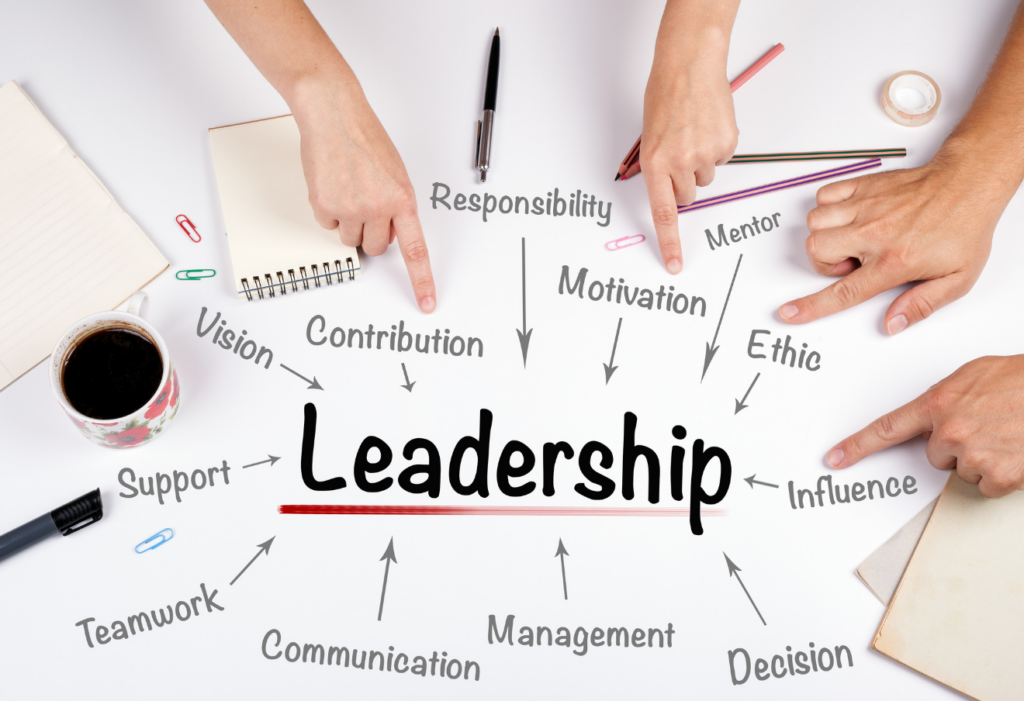
ODL 268: Ethical Leadership Institute: An Exploration of Leadership Principles and Ethics for Helping Professionals to Improve Outcomes

April 9, 2024 by Jess W

* Some states do not require/accept ethics hours for counselors, for those cases contact hours will be awarded.

Please make sure to check with your own state board to ensure the transferability of CE credit for an asynchronous course. Some state boards may place restrictions regarding the modality of training required for ethics credits to be awarded. If this training indicates ethics credits are available, please verify that your state allows them to be earned through an on-demand course format.

Please note: This on-demand webinar is a replay of a live CE event. The format reflects the original presentation and may include live Q&A, transitions, and intermittent audio/visual fluctuations typical of a live recording.

5 CREDIT HOURS APPROVED FOR:

Social Workers
ASWB ACE – 5 Ethics CE Credits
New York State Education Department’s State Board for Social Work – 5 Contact Hours
Psychologists
APA – 5 CE Credits
Counselors  – 5 Ethics Hours or 5 Contact Hours*
NBCC ACEP – 5 Contact Hours
New York State Education Department’s State Board for Mental Health Practitioners – 5 Contact Hours
Addiction Professionals
NAADAC–5 Contact Hours
Nurses
California Board of Registered Nursing – 5 Contact Hours
Case Managers
CCMC – This course is not approved for CCMC Contact hours

Created on: 4/26/2024 Revised on: 4/27/2026

Target Audience:

This course is targeted for social workers, psychologists, counselors, and nurses.

Counselor Skill Groups:

8. Legal, Ethical and Professional Development

Overview:

According to recent research, Ethical Leadership is “leadership demonstrating and promoting normatively appropriate conduct through personal actions and interpersonal relationships.”  This definition embodies the ethical codes of social workers, counselors, nurses and case managers.  In this dynamic training we explore the traits and best practices of ethical leaders, servant leaders, and practical ways to implement these in your daily jobs and lives.  Our training begins with discussions of ethical standards around leadership and examining ethical principles from our various codes that correspond with strong ethical leadership.  Then, we explore the qualities of servant leadership which can serve as a firm foundation of ethical leadership and best practices to implement ethical leadership principles.  Finally, this training ends with discussions around new ethical perspectives we may have gained. As we strive for excellence in our professions, this training allows you to explore best practices in ethical leadership with the goal of ultimately improving outcomes for our clients.  

Course Objectives:

By the end of the session – the participant will be able to:

  • Name five ethical standards (from social work, counseling, case management and nursing) and state how they overlap the principles of ethical leadership in the different disciplines 
  • Discover three ethical principles and traits that can assist as you may move into a leadership role 
  • Identify three standards from servant leadership as they apply to ethical leadership
  • Examine the five qualities necessary and ethical perspectives to cultivate leadership skills
  • Summarize their role in becoming or remaining active leaders who serve their profession, the public and allied professionals.

Presenters:

Jean Ferguson Ruffin, J.D., Ed.D, Assistant Professor in the Department of Leadership, Research, and School Improvement at the University of West Georgia

Dr. Jean Ferguson Ruffin is an assistant professor in the Department of Leadership, Research, and School Improvement at the University of West Georgia in Carrollton, Georgia. She teaches graduate courses in educational leadership, specializing in school law and ethics, educational equity, and culturally proficient leadership. Her research agenda is primarily focused on culturally proficient leadership. Prior to her work in higher education, she worked in K12 education as a consultant, an associate superintendent of schools, and a school improvement specialist.

Jessica Patterson, LMSW, DSW, and CEU Creations Educational Manager

Jessica Patterson, LMSW, DSW, is a licensed social worker with over ten years of experience working in different systems. Jessica has a strong passion for teaching, training, and professional development. She also has a strong background around creating trauma informed systems, social emotional behavioral health and the implementation of community and individual support systems. 

Jessica has created and facilitated many professional development trainings throughout her career. Jessica’s role at CEU Creations includes developing curriculum, working with licensure boards, and presenting at various CE trainings. 

Jessica holds a Bachelor’s degree in organizational management and sociology from Ashford University. She received her Master’s in Social Work from University of Iowa and her Doctoral degree in Social Work from Capella University. Jessica is a licensed Social Worker through the state of Iowa. Jessica currently lives in Iowa with her husband, four children, two dogs, and cat. Any spare moment that Jessica has is usually spent running or reading. 

Filed Under: VOD Courses

ODL 277: Dementia and Planning for the Future: Living Wills, Goals of Care, Advance Directives, and Honoring People’s Wishes

April 3, 2024 by Jess W

Please make sure to check with your own state board to ensure the transferability of CE credit for an asynchronous course. Some state boards may place restrictions regarding the modality of training required for ethics credits to be awarded. If this training indicates ethics credits are available, please verify that your state allows them to be earned through an on-demand course format.

Please note: This on-demand webinar is a replay of a live CE event. The format reflects the original presentation and may include live Q&A, transitions, and intermittent audio/visual fluctuations typical of a live recording.

1 CREDIT HOUR APPROVED FOR:

Social Workers
ASWB ACE – 1 CE Credit
New York State Education Department’s State Board for Social Work – 1 Contact Hour
Psychologists
APA – 1 CE Credit
Counselors
NBCC ACEP – 1 Contact Hour
New York State Education Department’s State Board for Mental Health Practitioners – 1 Contact Hour
Addiction Professionals
NAADAC – This course is not approved for NAADAC Contact hours.
Nurses
California Board of Registered Nursing – 1 Contact Hour
Case Managers
CCMC – 1 CE Contact Hour

Created on 04/03/2024 Revised on 8/31/2026

Target Audience:

This course is targeted for social workers, psychologists, counselors, nurses and case managers.

Instructional Level:

Beginner

Overview:

Worldwide the number of people who will experience dementia is projected to increase from 47 million in 2015 to 132 million by 2050 (Gaster, et al. 2017). End-of- life planning is important for everyone, but standard advance directives are often not helpful for people who develop dementia. Standard advance directives generally address rare scenarios such as if someone were to fall into a permanent coma, but fail to provide guidance for the most common reason people lose decision-making capacity: dementia. This session will explore the many options available for helping guide advance care planning for dementia, with special attention to the use of dementia-specific advance directives. 

Course Objectives:

By the end of the session – the participant will be able to:

  • Name the different components of the dementia directive and how it differs from forms which designate a health agent or power of attorney
  • Name two best practices and resources to improve advance care planning with seniors and their care partners
  • Identify the goal directed options for a dementia specific advanced directive

Presenter

Barak Gaster, MD, FACP, Professor of Medicine, University of Washington, Director of the Cognition in Primary Care Program 

Dr. Gaster has been an educator and primary care physician since 1998, where he has gained a national reputation for creating solutions to difficult problems in medicine. He is a member of the Hastings Center Workgroup on Ethics and Dementia, a member of the Washington Dementia Action Collaborative, and on the leadership team which developed the most recent edition of the CDC’s Healthy Brain Initiative. The Dementia Directive he helped develop has been downloaded more than 150,000 times and has been featured in The New York Times and on NPR.

Filed Under: 1 Hour On-Demand Training, VOD Courses

ODL 271: Helping at the Crossroads:  End-of-Life, Ethics, Grief, Rituals and Much More

March 7, 2024 by Jess W

Please make sure to check with your own state board to ensure the transferability of CE credit for an asynchronous course. Some state boards may place restrictions regarding the modality of training required for ethics credits to be awarded. If this training indicates ethics credits are available, please verify that your state allows them to be earned through an on-demand course format.

Please note: This on-demand webinar is a replay of a live CE event. The format reflects the original presentation and may include live Q&A, transitions, and intermittent audio/visual fluctuations typical of a live recording.

5 CREDIT HOURS APPROVED FOR:

Social Workers
ASWB ACE – 2 Ethics and 3 Clinical CE Credits
New York State Education Department’s State Board for Social Work –  5 Contact Hours
Psychologists
APA – 5 CE Credits
Counselors – 5 Contact Hours, including 2 Ethics Hours*
NBCC ACEP – 5 Contact Hours
New York State Education Department’s State Board for Mental Health Practitioners – 5 Contact Hours
Addiction Professionals
NAADAC – This course is not approved for NAADAC Contact hours.
Nurses
California Board of Registered Nursing – 5 Contact Hours
Case Managers
CCMC – 5 CE Contact Hours

* Some states do not require/accept ethics hours for counselors, for those cases contact hours will be awarded.

Created on 03/29/2024 Revised on 6/24/2026

Target Audience:

This course is targeted for social workers, psychologists, counselors, nurses and case managers.

Overview:

Grief is a normal response of sorrow, heartache, and confusion after losing someone or something important to that person. Helping professionals are often called upon to help others through their grief and loss even when they are experiencing those same feelings. Feelings of grief and loss can be compounded when circumstances surrounding the loss are traumatic as well. In this course, hospice and palliative care nurse Jenny Buckley, RN, BSN, CHPN, will guide participants through a discussion on the ethics of end of life care through a complex case scenario review. Then Gabby Jimenez, creator of The Hospice Heart, will lead participants through rituals that bring comfort and care to patients, their families, and helping professionals, as well as discuss other tools professionals can use to deal with grief and loss in traumatic situations. To fully participate in this workshop,  participants will need to have a candle, lighter, something to take notes with, and journal. 

Course Objectives:

By the end of the session, the participant will be able to:

  • Identify symptoms of grief
  • Describe how rituals can be beneficial in comforting people dealing with grief and loss
  • Name three emotional and physical effects of grief
  • Name one ethical principle that is important to adhere to during the end-of-life stage
  • Recognize the importance of following your professions ethical code when dealing with end-of-life circumstances

Presenters:

Jenny Buckley, RN, BSN, CHPN

Jenny Buckley is a hospice and palliative care nurse with over twenty years of experience caring for individuals with serious advanced illness and their families. Driven by her passion for helping patients navigate their illness experience while keeping their quality of life in mind, Jenny takes pride in providing the best complete care planning and decision assistance for those she serves. As founder of Jenny Buckley Care Matters, which she started in 2020, her goals include using her extensive personal and professional experience to provide guidance and resources during a family’s serious illness experience. In addition to providing support and presence for those in her care, Jenny is also a cancer survivor, blogger on her site HOPEspot and a national speaker on topics surrounding hospice and palliative care. Jenny lives in Roswell, Georgia with her husband, Kevin, and her two sons, Ryan  and Sean.  You can best keep up with Jenny’s activities on her website, www.jennybuckleycarematters.com.

Gabrielle Jimenez, LVN, CHPLN, Hospice Nurse, End of Life Doula, Author, Educator, and Founder of The Hospice Heart

Gabrielle “Gabby” Jimenez is a hospice and palliative care nurse, an end-of-life doula, an author and an educator. She has written 11 books, writes a weekly blog, and has a hospice Facebook page that has about 180,000 followers. Her focus is on trying to change the culture relative to death and dying by helping others to feel more comfortable talking about death. And while she sees a lot of death, what she really finds joy in is her lessons, which are about love, life, culture, tradition, and faith. She combines her experience as a hospice nurse with her in-depth doula training to help her to be more present at the bedside, bringing both patient and family together at that intimate moment of death. She teaches courses on end-of-life care that are helpful to anyone who works in this field, offering guidance to people who are navigating or caring for someone who has a terminal illness. The legacy she hopes to leave behind is that she helped improve the way people are cared for when they die, and that she inspired others to do this work well.

Filed Under: VOD Courses

ODL 275: Too Much Stuff: Hoarding Disorder in Older Adults

February 6, 2024 by Jess W

Please make sure to check with your own state board to ensure the transferability of CE credit for an asynchronous course. Some state boards may place restrictions regarding the modality of training required for ethics credits to be awarded. If this training indicates ethics credits are available, please verify that your state allows them to be earned through an on-demand course format.

Please note: This on-demand webinar is a replay of a live CE event. The format reflects the original presentation and may include live Q&A, transitions, and intermittent audio/visual fluctuations typical of a live recording.

2 CREDIT HOURS APPROVED FOR:

Social Workers
ASWB ACE – 2 CE Credits
New York State Education Department’s State Board for Social Work – 2 Contact Hours
Psychologists
APA – 2 CE Credits
Counselors
NBCC ACEP – 2 Contact Hours
New York State Education Department’s State Board for Mental Health Practitioners – 2 Contact Hours
Addiction Professionals
NAADAC – 2 Contact Hours
Nurses
California Board of Registered Nursing – 2 Contact Hours
Case Managers
CCMC – 2 CE Contact Hours

Revised on 8/18/26

Target Audience:

This course is targeted for social workers, psychologists, counselors, nurses and case managers.

Instructional Level:

Beginner

Counselor Skill Groups:

1. Clinical Intake and Screening
2. Clinical Assessment
3. Treatment Plan
4. Counseling Services
6. Case Management

Overview:

What do providers need to know and understand about hoarding disorder in older adults? This training will focus on the etiology of hoarding in older adults, including diagnostic criteria and assessment. Treatment approaches and strategies for supporting older clients and families will be discussed. Learners will obtain increased knowledge, perspective, and confidence in working with older adults who hoard.

Course Objectives:

By the end of the session – the participant will be able to:

  • Describe the etiology of hoarding in older adults and DSM-5 diagnostic criteria for hoarding disorder
  • Discover best practices and treatment approaches for managing hoarding disorder in older adults
  • Identify methods of supporting family members and hoarding resources

Presenter:

Diane Bigler, LCSW, LSCSW, and owner of Diane Bigler Therapy Services, Inc.

Diane Bigler is a Licensed Clinical Social Worker in Missouri and Kansas. She has over 20 years of experience in the social services field. Diane has held positions as a therapist (in-home and outpatient), private practice owner, trainer/facilitator, clinical supervisor, and Professor of Social Work. She also has experience in corporate wellness training and coaching. Diane is most passionate about providing quality educational training to professionals. She enjoys spoiling her four Dachshunds and anything 80’s related.

Filed Under: VOD Courses

ODL 273: Promoting Resilience and Growth: Practicing through a Trauma Informed Lens

January 31, 2024 by Jess W

Please make sure to check with your own state board to ensure the transferability of CE credit for an asynchronous course. Some state boards may place restrictions regarding the modality of training required for ethics credits to be awarded. If this training indicates ethics credits are available, please verify that your state allows them to be earned through an on-demand course format.

Please note: This on-demand webinar is a replay of a live CE event. The format reflects the original presentation and may include live Q&A, transitions, and intermittent audio/visual fluctuations typical of a live recording.

3 CREDIT HOURS APPROVED FOR:

Social Workers
ASWB ACE – 3 Ethics CE Credits
New York State Education Department’s State Board for Social Work – 3 Contact Hours
Psychologists
APA – 3 CE Credits
Counselors 3 Ethics Hours or 3 Contact Hours*
NBCC ACEP – 3 Contact Hours
New York State Education Department’s State Board for Mental Health Practitioners – 3 Contact Hours
Addiction Professionals
NAADAC–3 Contact Hours
Nurses
California Board of Registered Nursing – 3 Contact Hours
Case Managers
CCMC – 3 Ethics CE Contact hours

* Some states do not require/accept ethics hours for counselors, for those cases contact hours will be awarded.

Created on 4/25/2024 Revised on 6/29/2026

Target Audience:

This course is targeted for social workers, psychologists, counselors, nurses and case managers.

Counselor Skill Groups:

4. Counseling Services
6. Case Management

Overview:

Trauma Informed Care has been all the buzz with organizations being trauma informed and practitioners utilizing a trauma informed approach, but have you wondered what this actually looks like? Do you want to know how you can be trauma informed or how to assess your own trauma informed approach? If you answered “yes”, then this course is for you! Participants learn how to implement a framework in which they  recognize, respond, and empower the populations they work with. Throughout the course we discuss the importance of relationships, regulation, and resilience and learn about many different strategies to promote the three R’s.

Course Objectives:

By the end of the session – the participant will be able to:

  • Describe the three R’s of trauma informed care
  • Discover strategies that are trauma informed to use in practice
  • Evaluate their own practice and whether it is trauma informed

Presenter:

Jessica Patterson, LMSW, DSW, is a licensed social worker with over ten years of experience working in different systems. Jessica has a strong passion for teaching, training, and professional development. She also has a strong background around creating trauma informed systems, social emotional behavioral health and the implementation of community and individual support systems. 

Jessica has created and facilitated many professional development trainings throughout her career. Jessica’s role at CEU Creations includes developing curriculum, working with licensure boards, and presenting at various CE trainings. 

Jessica holds a Bachelor’s degree in organizational management and sociology from Ashford University. She received her Master’s in Social Work from University of Iowa and her Doctoral degree in Social Work from Capella University. Jessica is a licensed Social Worker through the state of Iowa. Jessica currently lives in Iowa with her husband, four children, two dogs, and cat. Any spare moment that Jessica has is usually spent running or reading.

Filed Under: VOD Courses

ODL 272: Women and Trauma for Helping Professionals

January 10, 2024 by Jess W

Please make sure to check with your own state board to ensure the transferability of CE credit for an asynchronous course. Some state boards may place restrictions regarding the modality of training required for ethics credits to be awarded. If this training indicates ethics credits are available, please verify that your state allows them to be earned through an on-demand course format.

2 CREDIT HOURS APPROVED FOR:

Social Workers
ASWB ACE – 2 Clinical CE Credits
New York State Education Department’s State Board for Social Work – 2 Contact Hours
Psychologists
APA – 2 CE Credits
Counselors
NBCC ACEP – 2 Contact Hours
New York State Education Department’s State Board for Mental Health Practitioners – 2 Contact Hours
Addiction Professionals
NAADAC – 2 Contact Hours
Nurses
California Board of Registered Nursing – 2 Contact Hours
Case Managers
CCMC – 2 Contact Hours

Created on: 2/8/2024 Revised on: 11/24/2025

Target Audience:

This course is targeted for social workers, psychologists, counselors, nurses and case managers.

Counselor Skill Groups:

4. Counseling Services
6. Case Management

Overview:

This presentation will help individuals understand the variety of causes of trauma throughout a woman’s lifetime, and how trauma manifests in women throughout their lifetime and in different roles. There will be a specific focus on understanding the long-term impacts of childhood abuse and neglect on a woman’s self-esteem and ability to advocate for herself, as well as acute traumas resulting in Post-Traumatic Stress Disorder (PTSD). Participants will learn risk factors that contribute to repetitive trauma, including the ACE study. Participants will leave the training with a better understanding of the “domino effect” of trauma in women and how it impacts generations, as well as how to best provide compassionate support and referral when appropriate and necessary.

Course Objectives:

By the end of the session – the participant will be able to:

  •  Recognize how trauma manifests as a woman ages, as well as the generational impacts
  •  Discover how to interact and assess people with different levels of trauma
  •  Identify the stages of change and how to support individuals in different parts of their life journey

Presenter:

Marie Selleck, LMSW, CAADC, and Owner of Marie E Selleck Therapy and ME Selleck Coaching

Marie is a licensed therapist in the state of Michigan and specializes in the treatment of PTSD, substance use disorders, anxiety disorders, self-esteem. She helps her clients find confidence, happiness, and security by equipping them with the tools they need to better understand their history, and how it has impacted their conditioning and thinking patterns, so they can better understand themselves and make the change they want.

Marie is also an online empowerment coach for women who want to recover from the impacts of a mother who was/is not emotionally present in their lives. She focuses on empowering women to recognize that their worth is not determined by their mother’s reactions, affection, or approval, but is determined by how they wholeheartedly live out their values. Marie helps women gain a deeper understanding of how the attachment to an unhealthy mother can lead to challenges with self-esteem, boundaries, and relationship; as well as how to re-define themselves the way THEY want to be, connected to their own emotions, so they can live their most sincere life.

www.meselleckcoaching.com
www.mariesellecktherapy.com

Filed Under: VOD Courses

ODL 267: Sharing the Care and Improving Family Dynamics

October 11, 2023 by Lia McSweeney

Created on 9/7/23

Target Audience:

This course is targeted for social workers, case managers, nurses, and counselors.

Overview:

Caregiving responsibilities piled on top of existing family, work, and personal responsibilities can be overwhelming. Family caregivers need more help but have difficulty articulating what is needed from family members. Elizabeth Miller, founder of Happy Healthy Caregiver and Certified Caregiving Consultant, will share how helping professionals can support caregivers with tried and true resources.  The overall goal is to create a sustainable caregiving environment while preserving the independence of the care recipient and the helping professionals typically serve as advocates to achieve that goal. Attendees will examine different ways to elevate that advocacy, while serving on the care team. 

Course Objectives:

By the end of the session – the participant will be able to:

  •  Define the term ‘care team’ and the vital components
  •  Describe effective care team communication for helping professionals
  • Identify components that helping professionals should address in order to have a productive family meeting that aligns with caregiving responsibilities

Presenter:

Elizabeth Miller, Happy Healthy Caregiver, Caregiving Expert and Coach

Elizabeth Miller is a family caregiver advocate, speaker, author, and Certified Caregiving Consultant. Elizabeth’s firsthand experiences caring for aging parents with chronic and terminal illnesses and for a sibling with developmental disabilities inspired her to create Happy Healthy Caregiver in 2015. Through her coaching services, speaking, award-winning podcast, book, and online community, Elizabeth helps family caregivers infuse caregiving and self-care with their busy lives. She is the host of the Happy Healthy Caregiver podcast on the Whole Care Network, author of Just for You: a Daily Self-Care Journal and facilitates an Atlanta support group for family caregivers called the Atlanta Daughterhood Circle. Elizabeth is also an ally and caregiver retreat program guide for the Brutally Beautiful Foundation.

1 CREDIT HOUR APPROVED FOR:

Social Workers
ASWB ACE – 1 CE Credit
New York State Education Department’s State Board for Social Work – 1 Contact Hour
National Association of Social Work- New Jersey- 1 CE Credit
Case Managers
CCMC – 1 Contact Hour
Nurses
California Board of Registered Nursing – 1 Contact Hour
Counselors
NBCC ACEP – 1 Contact Hour
New York State Education Department’s State Board for Mental Health Practitioners – 1 Contact Hour

Please make sure to check with your own state board to ensure the transferability of CE credit for an asynchronous course. Some state boards may place restrictions regarding the modality of training required for ethics credits to be awarded. If this training indicates ethics credits are available, please verify that your state allows them to be earned through an on-demand course format.

Filed Under: Decommissioned

ODL 265: Maintaining Ethics and Boundaries for Helping Professionals with a Focus on Technology and Self-Care

September 29, 2023 by Lia McSweeney

Please make sure to check with your own state board to ensure the transferability of CE credit for an asynchronous course. Some state boards may place restrictions regarding the modality of training required for ethics credits to be awarded. If this training indicates ethics credits are available, please verify that your state allows them to be earned through an on-demand course format.

Please note: This on-demand webinar is a replay of a live CE event. The format reflects the original presentation and may include live Q&A, transitions, and intermittent audio/visual fluctuations typical of a live recording.

2 CREDIT HOURS APPROVED FOR:

Social Workers
ASWB ACE – 2 Ethics CE Credits
New York State Education Department’s State Board for Social Work – 2 Contact Hours
Psychologists
APA – 2 CE Credits
Counselors – 2 Ethics Hours or 2 Contact Hours*
NBCC ACEP – 2 Contact Hours
New York State Education Department’s State Board for Mental Health Practitioners – 2 Contact Hours
Addiction Professionals
NAADAC–2 Contact Hours
Nurses
California Board of Registered Nursing –  2 Contact Hours
Case Managers
CCMC – 2 CE Ethics Hours

* Some states do not require/accept ethics hours for counselors, for those cases contact hours will be awarded.

Created on: 08/10/2023 Revised on: 5/19/2026

Target Audience:

This course is targeted for social workers, psychologists, counselors, nurses and case managers.

Counselor Skill Groups:

8. Legal, Ethical and Professional Development

Overview:

Establishing and maintaining boundaries as a helping professional is essential, aiming to protect the  client, the professional, and the professional’s employer. These boundaries help to avoid or reduce emotional distress and facilitate open, safe, and transparent communication that prioritizes the needs of the client while maintaining necessary boundaries for all.  Understanding these boundaries is also part of our ethical code for social workers, counselors, case managers, and nurses.  This training will focus on boundary issues around social media, internet searches, and electronic record keeping. In addition, we will discuss the importance of ethics and boundaries in maintaining our own mental health as helping professionals. This training will provide many tips and resources for helping professionals to take and utilize in the field right away! 

Course Objectives:

By the end of the session – the participant will be able to:

  • Describe the importance of social media policies for boundaries
  • List examples of when searching for client data online may or may not be acceptable
  • Identify the ethical standards and ethical decision-making models used by mental health professionals in relation to compassion fatigue, burnout, and self-care

Presenter:

Jessica Patterson, LMSW, DSW, and CEU Creations Educational Manager

Jessica Patterson, LMSW, DSW, is a licensed social worker with over ten years of experience working in different systems. Jessica has a strong passion for teaching, training, and professional development. She also has a strong background around creating trauma informed systems, social emotional behavioral health and the implementation of community and individual support systems. 

Jessica has created and facilitated many professional development trainings throughout her career. Jessica’s role at CEU Creations includes developing curriculum, working with licensure boards, and presenting at various CE trainings.

Jessica holds a Bachelor’s degree in organizational management and sociology from Ashford University. She received her Master’s in Social Work from University of Iowa and her Doctoral degree in Social Work from Capella University. Jessica is a licensed Social Worker through the state of Iowa. Jessica currently lives in Iowa with her husband, four children, two dogs, and cat. Any spare moment that Jessica has is usually spent running or reading.

Filed Under: VOD Courses

ODL 264: An Overview of Ethics and Boundaries for Helping Professionals with a Focus on the Intersection of Ethics and the Law

September 29, 2023 by Lia McSweeney

Please make sure to check with your own state board to ensure the transferability of CE credit for an asynchronous course. Some state boards may place restrictions regarding the modality of training required for ethics credits to be awarded. If this training indicates ethics credits are available, please verify that your state allows them to be earned through an on-demand course format.

Please note: This on-demand webinar is a replay of a live CE event. The format reflects the original presentation and may include live Q&A, transitions, and intermittent audio/visual fluctuations typical of a live recording.

2 CREDIT HOURS APPROVED FOR:

Social Workers
ASWB ACE – 2 Ethics CE Credits
New York State Education Department’s State Board for Social Work – 2 Contact Hours
Psychologists
APA – 2 CE Credits
Counselors – 2 Ethics Hours or 2 Contact Hours*
NBCC ACEP – 2 Contact Hours
New York State Education Department’s State Board for Mental Health Practitioners – 2 Contact Hours
Addiction Professionals
NAADAC–2 Contact Hours
Nurses
California Board of Registered Nursing – 2 Contact Hours
Case Managers
CCMC – 2 CE Contact Hours

* Some states do not require/accept ethics hours for counselors, for those cases contact hours will be awarded.

Created on: 7/25/2023 Revised on: 5/21/2026

Target Audience:

This course is targeted for social workers, psychologists, counselors, nurses and case managers.

Overview:

Establishing and maintaining boundaries as a helping professional is essential, aiming to protect the client, the professional, and the professional’s employer. These boundaries help to avoid or reduce emotional distress and facilitate open, safe, and transparent communication that prioritizes the needs of the client while maintaining necessary boundaries for all.  Gaining knowledge of the relevant laws and ethics that inform and guide our practice is crucial for all helping professionals.  This training will focus on our ethical obligations around communication/boundaries as helping professionals and the unique challenges we may face in healthcare settings. We will take a deeper look at the intersection of our ethics and laws through case scenarios and various activities. 

Course Objectives:

By the end of the session – the participant will be able to:

  • Explain how ethics and the law intersect to complicate ethical dilemmas
  • Identify the concepts of duty to report and duty to evaluate
  • Summarize a decision-making model when an ethical or boundary issue occurs

Presenter:

Jessica Patterson, LMSW, DSW, and CEU Creations Educational Manager

Jessica Patterson, LMSW, DSW, is a licensed social worker with over ten years of experience working in different systems. Jessica has a strong passion for teaching, training, and professional development. She also has a strong background around creating trauma informed systems, social emotional behavioral health and the implementation of community and individual support systems. 

Jessica has created and facilitated many professional development trainings throughout her career. Jessica’s role at CEU Creations includes developing curriculum, working with licensure boards, and presenting at various CE trainings. 

Jessica holds a Bachelor’s degree in organizational management and sociology from Ashford University. She received her Master’s in Social Work from University of Iowa and her Doctoral degree in Social Work from Capella University. Jessica is a licensed Social Worker through the state of Iowa. Jessica currently lives in Iowa with her husband, four children, two dogs, and cat. Any spare moment that Jessica has is usually spent running or reading.

Filed Under: VOD Courses

ODL 260: Managing Resistance when Working with Seniors and Their Loved Ones

September 28, 2023 by Jess W

Please make sure to check with your own state board to ensure the transferability of CE credit for an asynchronous course. Some state boards may place restrictions regarding the modality of training required for ethics credits to be awarded. If this training indicates ethics credits are available, please verify that your state allows them to be earned through an on-demand course format.

Please note: This on-demand webinar is a replay of a live CE event. The format reflects the original presentation and may include live Q&A, transitions, and intermittent audio/visual fluctuations typical of a live recording.

1 CREDIT HOUR APPROVED FOR:

Social Workers
ASWB ACE – 1 Ethics CE Credit
New York State Education Department’s State Board for Social Work – 1 Contact Hour
Psychologists
APA – 1 CE Credit
Counselors – 1 Ethics Hour or 1 Contact Hour*
NBCC ACEP – 1 Contact Hour
New York State Education Department’s State Board for Mental Health Practitioners – 1 Contact Hour
Addiction Professionals
NAADAC–This course is not approved for NAADAC Contact hours.
Nurses
California Board of Registered Nursing – 1 Contact Hour
Case Managers
CCMC – 1 Ethics CE Contact hours

* Some states do not require/accept ethics hours for counselors, for those cases contact hours will be awarded.

Created on 09/28/2023 Revised on 6/29/2026

Target Audience:

This course is targeted for social workers, psychologists, counselors, nurses and case managers.

Overview

Working with seniors and their loved ones can be challenging yet rewarding work. Presented by Rebecca Abenante, MA, MSW, LSW ASW-G, Healthy Aging Coordinator and Geriatrics Fellowship Program Coordinator at Atlantic Health System, this course engages in a discussion around managing resistance when working with seniors and their care partners. Participants will leave with new insights, tools, and resources for your work with older adults and their loved ones. 

Course Objectives:

By the end of the session, the participant will be able to:

  • Identify some of the challenges faced by caregivers and solutions that can be implemented
  • Name some ethical principles/dilemmas that can arise around caregiving, care partner mental health and advanced care planning and how the helping professional can assist in resolving these  
  • Restate two best practices and resources around Advance Care Planning with seniors and their care partners

Presenter:

Rebecca Abenante, MA, MSW, LSW, ASW-G

Rebecca Abenante coordinates the Healthy Aging Program at Atlantic Health System and has been involved with a wide variety of geriatric services at Morristown Medical Center since 2009.  With the addition of a second fellow position in 2021, Rebecca also became the Geriatrics Fellowship Program Coordinator at Morristown Medical Center. Rebecca has been working with seniors and their families for more than 20 years in a variety of settings, including senior affordable housing, assisted living, skilled nursing and acute care.  Through the Healthy Aging Program’s hotline, community presentations and outpatient social work consultation at the David and Joan Powell Center for Healthy Aging’s Geriatric Assessment Center, she has experience educating and guiding older adults and their caregivers towards appropriate services and supports.

In addition to her work with Atlantic Health System, Rebecca has been an adjunct professor at William Paterson University in the Department of Public Health since 2014 and teaches undergraduate students about social gerontology.  She has a Bachelor’s of Sociology and Certificate in Gerontology from Kean University, a Masters of Arts degree in Counseling from Fairleigh Dickinson University, a Masters of Social Work degree and Certificate in Aging from Rutgers University and is a Licensed Social Worker in the State of New Jersey. Rebecca is also certified by the National Association of Social Workers as an Advanced Social Worker in Gerontology.

Filed Under: 1 Hour On-Demand Training, VOD Courses

ODL 263: An Overview of Motivational Interviewing With a Focus on Older Adults and Resistance

September 11, 2023 by Lia McSweeney

Please make sure to check with your own state board to ensure the transferability of CE credit for an asynchronous course. Some state boards may place restrictions regarding the modality of training required for ethics credits to be awarded. If this training indicates ethics credits are available, please verify that your state allows them to be earned through an on-demand course format.

Please note: This on-demand webinar is a replay of a live CE event. The format reflects the original presentation and may include live Q&A, transitions, and intermittent audio/visual fluctuations typical of a live recording.

1 CREDIT HOUR APPROVED FOR:

Social Workers
ASWB ACE – 1 CE Credit
New York State Education Department’s State Board for Social Work – 1 Contact Hour
Psychologists
APA – 1 CE Credit
Counselors
NBCC ACEP – 1 Contact Hour
New York State Education Department’s State Board for Mental Health Practitioners – 1 Contact Hour
Addiction Professionals
NAADAC–1 Contact Hour
Nurses
California Board of Registered Nursing – 1 Contact Hour
Case Managers
CCMC – 1 CE Contact Hour

Created on: 07/12/2023 Revised on: 4/21/26

Target Audience:

This course is targeted for social workers, psychologists, counselors, nurses and case managers.

Counselor Skill Groups:

4. Counseling Services

Overview:

Motivational Interviewing is an ethical, effective technique for professionals in many practice settings to engage in meaningful conversations with clients to help facilitate attitude and behavior change.  This workshop examines a brief definition and history, theoretical framework, style and spirit, process, and techniques of motivational interviewing.  The workshop also explores how biases and diversity influences behavior and services, and provides tools for reflection, self-monitoring and regulation to manage personal values and maintain professional standards of practice. Participants will receive examples and tools for working with older adults and dealing with resistance. 

Course Objectives:

By the end of the session – the participant will be able to:

  • Recall the basic terminology and framework of motivational interviewing
  • Examine utilizing motivational interviewing when working with older adults
  • Describe the motivational interviewing process

Presenter:

Rhonda DiNovo serves as Clinical Assistant Professor, MSW Program Coordinator, and Coordinator of the Graduate Drug and Addictions Studies Certificate Program in the College of Social Work at the University of South Carolina. She teaches students important theoretical and practical approaches in interdisciplinary health and mental health, as well as principles and practices of motivational interviewing and cognitive behavior therapy. DiNovo also serves as Field Supervisor and Director of the West Columbia Outreach Program, a police social work outreach service offered through the West Columbia Police Department that provides brief screening, assessment and referral to treatment services and community resources to those in mental health and substance use crises. Prior to becoming a full-time faculty member in the College of Social Work, Rhonda served three years as Director of Substance Abuse Prevention and Education for USC and eight years as Prevention Specialist for adolescents and their families at LRADAC.

Filed Under: 1 Hour On-Demand Training, VOD Courses

ODL 269: Healthcare Decision-Making: Informed Consent, Capacity, and Free Will (oh my!)

September 6, 2023 by Lia McSweeney

Please make sure to check with your own state board to ensure the transferability of CE credit for an asynchronous course. Some state boards may place restrictions regarding the modality of training required for ethics credits to be awarded. If this training indicates ethics credits are available, please verify that your state allows them to be earned through an on-demand course format.

Please note: This on-demand webinar is a replay of a live CE event. The format reflects the original presentation and may include live Q&A, transitions, and intermittent audio/visual fluctuations typical of a live recording.

2 CREDIT HOURS APPROVED FOR:

Social Workers
ASWB ACE – 2 Ethics CE Credits
New York State Education Department’s State Board for Social Work – 2 Contact Hours
Psychologists
APA – 2 CE Credits
Counselors – 2 Ethics Hours or 2 Contact Hours*
NBCC ACEP – 2 Contact Hours
New York State Education Department’s State Board for Mental Health Practitioners – 2 Contact Hours
Addiction Professionals
NAADAC–2 Contact Hours
Nurses
California Board of Registered Nursing – 2 Contact Hours
Case Managers
CCMC – 2 Ethics CE Contact hours

* Some states do not require/accept ethics hours for counselors, for those cases contact hours will be awarded.

Created on 08/24/2023 Revised on 5/27/2026

Target Audience:

This course is targeted for social workers, case managers, nurses, and counselors.

Overview:

Informed consent is a critical aspect of patient autonomy and respecting the dignity and worth of our patients. The consent process empowers patients to make informed decisions about their own care, treatment, and participation in medical research. There is an art and craft to high quality informed consent, often lost in the increasingly virtual, fast-paced healthcare environment. Within the informed consent process, there is an assumption that the patient has the ability to process the information they are receiving, weigh the benefits and consequences, and make a knowledgeable decision. When there is concern about the patient’s insight and judgment during this process, the next step is a capacity assessment. This presentation will begin with a discussion of best practices and principles of informed consent and then move into a discussion of how to assess decision-making capacity. The speaker will also explore legal and ethical principles at play when discussing decision-making capacity, and how a clinician can move forward when a patient makes an “unwise” decision.

Course Objectives:

By the end of the session – the participant will be able to:

  • Define the principles of informed consent
  • Describe the triggers for a capacity assessment
  • Discover the ethical principles at play when assessing decision-making capacity
  • Identify complex situations that require additional system support

Presenter:

Lisa Bednarz, LCSW, CMAC, ACM-SW, ASW-G, Regional Director of Case Management for Robert Wood Johnson Barnabas Health

Lisa began her career serving as a community guardian for incapacitated older adults before joining NewYork-Presbyterian’s distinguished geriatrics team, and ultimately moving fully into healthcare leadership. She has front-line experience navigating the intersection of the healthcare and legal systems and uses this knowledge to educate physicians on ethical issues in gerontology, including capacity assessments and elder abuse. She has developed and implemented screening tools and response protocols to address elder abuse within the acute care setting. Lisa has advanced training in trauma-focused care, family systems, and healthcare management. She is a former Hartford Fellow in Geriatric Mental Health and a former advisor for the Vulnerable Elder Protection Team at Weill Cornell Medical College. Lisa operates a small geriatric care management practice and acts as a consultant and speaker on psychosocial health in the aging population and ethical decision-making in work with cognitively impaired clients. 

Filed Under: VOD Courses

ODL 262: An Overview of Ethical Leadership:  An Exploration of Leadership Principles and Ethics for Helping Professionals

August 30, 2023 by Lia McSweeney

Please make sure to check with your own state board to ensure the transferability of CE credit for an asynchronous course. Some state boards may place restrictions regarding the modality of training required for ethics credits to be awarded. If this training indicates ethics credits are available, please verify that your state allows them to be earned through an on-demand course format.

Please note: This on-demand webinar is a replay of a live CE event. The format reflects the original presentation and may include live Q&A, transitions, and intermittent audio/visual fluctuations typical of a live recording.

1 CREDIT HOUR APPROVED FOR:

Social Workers
ASWB ACE – 1 Ethics CE Credit
New York State Education Department’s State Board for Social Work – 1 Contact Hour
Psychologists
APA – 1 CE Credit
Counselors – 1 Ethics Hour or 1 Contact Hour*
NBCC ACEP – 1 Contact Hour
New York State Education Department’s State Board for Mental Health Practitioners – 1 Contact Hour
Addiction Professionals
NAADAC–1 Contact Hour
Nurses
California Board of Registered Nursing – 1 Contact Hour
Case Managers
CCMC – 1 Ethics CE Contact hour

* Some states do not require/accept ethics hours for counselors, for those cases contact hours will be awarded.

Created on: 07/18/2023 Revised on: 04/21/2026

Target Audience:

This course is targeted for social workers, psychologists, counselors, nurses and case managers.

Counselor Skill Groups:

8. Legal, Ethical and Professional Development

Overview:

According to recent research, Ethical Leadership is “leadership demonstrating and promoting normatively appropriate conduct through personal actions and interpersonal relationships.”  This definition embodies the ethical codes of helping professionals.  In this dynamic training we will explore the traits and best practices of ethical leaders, servant leaders and practical ways to implement these in your daily jobs and lives. As we strive for excellence in our professions, this training will allow you to explore best practices in ethical leadership with the goal of ultimately improving outcomes for our clients.

Course Objectives:

By the end of the session – the participant will be able to:

  • Discover three ethical principles and traits that can assist as you may move into a leadership role 
  • Identify three standards from servant leadership as they apply to ethical leadership
  • Examine the five qualities necessary and ethical perspectives to cultivate leadership skills

Presenter:

Jean Ferguson Ruffin, J.D., Ed.D, Assistant Professor in the Department of Leadership, Research, and School Improvement at the University of West Georgia

Dr. Jean Ferguson Ruffin is an Assistant Professor in the Department of Leadership, Research, and School Improvement at the University of West Georgia in Carrollton, Georgia. She teaches graduate courses in educational leadership, specializing in school law and ethics, educational equity, and culturally proficient leadership. Her research agenda is primarily focused on culturally proficient leadership. Prior to her work in higher education, she worked in K12 education as a consultant, an associate superintendent of schools, and a school improvement specialist.   

Filed Under: 1 Hour On-Demand Training, VOD Courses

ODL 261: Effective Practices in the School Setting for Helping Professionals Symposium

August 29, 2023 by Lia McSweeney

Please note: This on-demand webinar is a replay of a live CE event. The format reflects the original presentation and may include live Q&A, transitions, and intermittent audio/visual fluctuations typical of a live recording.

Please make sure to check with your own state board to ensure the transferability of CE credit for an asynchronous course. Some state boards may place restrictions regarding the modality of training required for ethics credits to be awarded. If this training indicates ethics credits are available, please verify that your state allows them to be earned through an on-demand course format.

4 CREDIT HOURS APPROVED FOR:

Social Workers
ASWB ACE – 4 Ethics CE Credits
New York State Education Department’s State Board for Social Work – 4 Contact Hours
Psychologists
APA – 4 CE Credits
Counselors – 4 Ethics Hours or 4 Contact Hours*
NBCC ACEP – 4 Contact Hours
New York State Education Department’s State Board for Mental Health Practitioners – 4 Contact Hours
Addiction Professionals
NAADAC–4 Contact Hours
Nurses
California Board of Registered Nursing – 4 Contact Hours
Case Managers
CCMC – 4 Ethics CE Contact hours – EXPIRES 11/26/26

* Some states do not require/accept ethics hours for counselors; for those cases contact hours will be awarded.

Revised on 9/16/2026

(Attention Case Managers ONLY: CCMC expires on this course on 11/26/26 and will not be renewed. Please complete before this date.)

Target Audience:

This course is targeted for social workers, psychologists, counselors, nurses and case managers.

Instructional Level:

Beginner

Counselor Skill Groups:

4. Counseling Services
6. Case Management
8. Legal, Ethical and Professional Development

Overview:

A child spends the second largest amount of time in school, right behind sleep. Therefore, it is imperative that schools are able to serve the whole child while they are there. This course will focus on how school social workers and other professionals can collaborate with school staff to make sure the whole child is being served. This course focuses on attendance. There is a discussion about causes of poor attendance and addressing barriers for students and their families. Innovative interventions will be discussed, and participants will leave with new ideas. There is a discussion about what restorative practices are, how to implement them, and the importance of implementing restorative practices in the school setting. 

Course Objectives:

By the end of the session – the participant will be able to:

  • Name three causes of poor attendance
  • Give examples of attendance interventions
  • Describe how restorative practices are beneficial in the school setting

Presenters:

Ashley Bell, M.Ed., and School Counselor

Ashley Bell, M.Ed. and school counselor, is the face behind Mrs. Bell, The Crafty Counselor. She is a Florida-based elementary school counselor and social-emotional curriculum designer who loves travel, going to the beach, and all things SEL and emotional regulation. Ashley has been a counselor for almost a decade and is passionate about creating resources that leave a lasting impact on children. She specializes in behavior management and helping children learn to self-regulate their emotions. Ashley loves implementing crafty interventions that teach practical skills that, once mastered, can change the course of a child’s life. Learn more about Ashley and her counseling programs at mrsbellthecraftycounselor.com

Nick Swanson, LMSW, School Social Worker and Adjunct Professor

Nick Swanson, LMSW, is a school social worker for the Mississippi Bend Area Education Agency, based out of Bettendorf, Iowa. He has been a school social worker, serving schools for over ten years. Prior to his work in schools, he was a mental health professional at a residential facility for at-risk youth. He is an adjunct professor at St. Ambrose University in Davenport, Iowa. Nick’s focus in schools includes building systems to support social-emotional behavioral needs of students, providing direct services to students and families, and evaluating and supporting students within special education. His work has included great attention on improving practices and policies within districts, and increasing therapeutic supports in schools.

Filed Under: VOD Courses

ODL 259: A Walk in the Woods: A Survivor’s Path to Healing

August 28, 2023 by Lia McSweeney

Please make sure to check with your own state board to ensure the transferability of CE credit for an asynchronous course. Some state boards may place restrictions regarding the modality of training required for ethics credits to be awarded. If this training indicates ethics credits are available, please verify that your state allows them to be earned through an on-demand course format.

Please note: This on-demand webinar is a replay of a live CE event. The format reflects the original presentation and may include live Q&A, transitions, and intermittent audio/visual fluctuations typical of a live recording.

1 CREDIT HOUR APPROVED FOR:

Social Workers
ASWB ACE – 1 CE Credit
New York State Education Department’s State Board for Social Work – 1 Contact Hour
Psychologists
APA – 1 CE Credit
Counselors
NBCC ACEP – 1 Contact Hour
New York State Education Department’s State Board for Mental Health Practitioners – 1 Contact Hour
Addiction Professionals
NAADAC – 1 Contact Hour
Nurses
California Board of Registered Nursing – 1 Contact Hour
Case Managers
CCMC – 1 Contact Hour

Created on: 6/13/2023 Revised on: 3/24/2026

Target Audience:

This course is targeted for social workers, psychologists, counselors, nurses and case managers.

Counselor Skill Groups:

4. Counseling Services
5. Documentation
6. Case Management

Overview:

Childhood trauma can cause long lasting effects that continue through adulthood. These effects can manifest in many different ways. In this powerful one hour interview with a survivor of childhood sexual abuse, we  hear about the tools and resources used to walk through her healing process. Nan O’Connor  walked participants through her journey, from how her trauma manifested into adulthood, to the steps she took to overcome the trauma and live a healthier life. Participants gain incredible insight and a phenomenal resource to use when working with their clients who have also experienced trauma. 

Course Objectives:

By the end of the session – the participant will be able to:

  • Give examples of ways trauma can manifest into adulthood
  • Identify two resources that can be beneficial to people who have experienced trauma
  • Recognize the effects that trauma can have on people

Presenter:

Nan O’Connor, MCC, is a Master Certified Coach and Author of A Walk in the Woods: An Incest Survivors Guide to Resolving the Past and Creating a Great Future. As a sexual abuse survivor Nan has one simple intention – to promote healing for other survivors. Nan has developed a free website with resources for anyone who is on their path of healing. 

Professionally Nan has built a successful business guiding small business owners and corporate executives on creating sustainable growth. Nan is a past president of the Georgia chapter of the International Coach Federation, and certified by the Arbinger Institute. In addition, she has lectured on professional development at Emory University and speaks to audiences around the world. Nan is also the creator of LeaderSkills, a training program that helps turn managers into leaders. 

Filed Under: 1 Hour On-Demand Training, VOD Courses

ODL 257: Resilience and Surviving Trafficking: A Fight for Justice and Holistic Healing

August 18, 2023 by Jess W

Please make sure to check with your own state board to ensure the transferability of CE credit for an asynchronous course. Some state boards may place restrictions regarding the modality of training required for ethics credits to be awarded. If this training indicates ethics credits are available, please verify that your state allows them to be earned through an on-demand course format.

Please note: This on-demand webinar is a replay of a live CE event. The format reflects the original presentation and may include live Q&A, transitions, and intermittent audio/visual fluctuations typical of a live recording.

3 CREDIT HOURS APPROVED FOR:

Social Workers
ASWB ACE – 3 CE Credits
New York State Education Department’s State Board for Social Work – 3 Contact Hours
Psychologists
APA – 3 CE Credits
Counselors
NBCC ACEP – 3 Contact Hours
New York State Education Department’s State Board for Mental Health Practitioners – 3 Contact Hours
Addiction Professionals
NAADAC – 3 Contact Hours
Nurses
California Board of Registered Nursing – 3 Contact Hours
Case Managers
CCMC – 3 Contact Hours

Revised on 4/27/26

Target Audience:

This course is targeted for social workers, psychologists, counselors, nurses and case managers.

Counselor Skill Groups:

5. Documentation
6. Case Management

Overview:

Human trafficking is a crime of exploitation that harms the well-being of individuals and communities everywhere. There are an estimated 24.9 million victims worldwide at any given time. Sex trafficking is a worldwide epidemic, a tragedy that affects women, men, and children. This course dives into two survivor stories of human trafficking, holistic healing, and resources for professionals. Prosecution and advocacy strategies from a survivor’s perspective are addressed. Multidisciplinary team approaches are highlighted. Dorsey Jones and Phylicia King, survivors, share their story, and the uphill battle they continue to face. Gretchen McCall, BA in Public Health and Supervisor of Braking Traffik, covers the nuts and bolts of human trafficking, holistic healing, resources and much more. This course shines a light on the survivors and unique ways of healing from such a horrific crime as human trafficking.

Course Objectives:

By the end of the session – the participant will be able to:

  • Describe at least two ways to engage in holistic healing
  • Identify at least three resources for rescuing victims and helping support survivors of human trafficking
  • Interpret street language and tactics used in the “Life” to pick up cues on assessment to properly treat patients

Presenters:

Dorsey Jones, Speaker, Survivor, Author, and Advocate

Dorsey Laquan Jones is a prolific speaker, author, and youth advocate who carries a message of perseverance, hope, and will power. Dorsey’s story is a testament of overcoming a lot in life and choosing to thrive despite the odds. 

Dorsey’s impactful work to bring awareness to sex trafficking and be a voice for the voiceless has taken her from the lowest lows to the highest highs. Having spoken to over 300 audiences that range from everyday people to mayors, police chiefs, corporations, civic organizations, and government officials. This work is her life’s calling. 

Gretchen McCall, BA, Public Health, Supervisor of Braking Traffik

Gretchen is a social activist and leader in the anti-human trafficking field. She has over four years of experience mentoring survivors of human trafficking and providing education to the community regarding human trafficking. She has provided education to medical students, high school youth, foster care youth, domestic violence shelters and several social service agencies. Her goal is to equip professionals and community members to identify and fight human trafficking. She is a mother, supervisor, bodybuilding champion, personal trainer and is also a survivor of human trafficking and child sexual assault. She has overcome her past traumas and believes that survivors are so much more than their traumas, and the most traumatic experience someone has had doesn’t define who they are and isn’t their identity. Her personal and professional experiences give her the ability to connect and empathize with the survivors she mentors and provide quality education to the community. Her favorite quote when addressing the issue of human trafficking is, “When you change the way you look at things, the things you look at change”- Dr. Wayne Dyer. 

 Phylicia King, Survivor and Educator

Phylicia King is a former social worker turned human trafficking survivor. Phylicia is also a loving daughter, sister, and aunt who loves her family deeply. Phylicia has experience working with adults with intellectual disabilities, mental illness, and substance abuse. She has always been one to route for the underdogs in life. Phylicia continues to cheer for the underdogs in life. As a survivor of trafficking who was unjustly persecuted, Phylicia’s goal is to share her story to educate the community members, so the same thing doesn’t happen to other victims. Phylicia continues to heal and grow from her past trauma and sharing her experience is one way. Phylicia continues to receive services from an anti-trafficking agency and is working on clearing her criminal record. Phylicia takes each day one at a time and refuses to give up hope.

Filed Under: VOD Courses

ODL 256: Disrupting Traffick: Raising Awareness and Focusing on Self-Care

August 8, 2023 by Jess W

Created on 07/20/2024

Target Audience:

This course is targeted for social workers, case managers, nurses, and counselors.

Overview:

Human trafficking is a crime of exploitation that harms the well-being of individuals and communities everywhere. There are an estimated 24.9 million victims worldwide at any given time. Sex trafficking is a worldwide epidemic, a tragedy that affects women, men and children.  In this course, Sharnell Myles, Psy.D., will cover the nuts and bolts of human trafficking, statistics, ethics, signs of human trafficking, resources and much more – including founding her non-profit, The Social Justice Cafe for Girls.

Course Objectives:

By the end of the session – the participant will be able to:

  • Identify ethics around how vulnerable populations are more susceptible to human trafficking and how to identify and stop this crime
  • Hold awareness of vicarious trauma when discussing this tragic crime and embark in a self-care discussion
  • State at least three ethical principles that overlay the need for helping professionals to be aware of the signs of human trafficking, ways to assist victims and survivors and ways to prevent this horrific crime

Presenter:

Sharnell Myles, Psy.D., and Vice President at Embark Behavioral Health

Dr. Sharnell Myles, Psy. D., is a Licensed Psychotherapist and Certified Clinical Trauma Professional who specializes in the treatment of complex trauma. Her dedication to serving children, youth, and adults has spanned over 20 years. Dr. Myles is the CEO/Owner of JoyUs Beginnings Child & Family Wellness Center and The Urban Trauma Positive Impact Center, Inc. which is an exclusive trauma-informed treatment and advocacy center located in Atlanta, Georgia. JoyUs Beginnings provides an array of trauma-informed services to children, adolescents, and adults. Services include trauma informed therapies, trauma assessments, group treatments, gender specific social justice initiatives for girls of color and PeriCare a 2-Gen maternal fetal behavioral health treatment and advocacy initiative. Dr. Myles served as the first and past Clinical Director for youthSpark, Inc., a 501c3 nonprofit organization serving vulnerable youth who experience exploitation, abuse, and other victimizations. 

Dr. Myles has been appointed to and accepted many leadership positions throughout her career. She is the Chair for the DeKalb County Juvenile Court Mental Health Court – Journey Program Advisory Board and was the Vice Chair of the Georgia Statewide Human Trafficking Taskforce Workgroup 7 – Survivors Supported and Protected, a member of the Georgia Statewide Multi-Disciplinary Team for Domestic Minor Sex Trafficking. Dr. Myles is a subject matter expert and routinely provides expert testimony in legal cases involving child and adolescent trauma, specifically domestic minor sex trafficking. She has presented at various conferences and has experience in vast settings such as clinical, juvenile justice, Department of Defense, and community-based settings. 

Dr. Myles has received numerous awards including the Barack Obama Lifetime Volunteer Award, ACHI Magazine Public Service Award, House of Hope Community Angel Award, and Our Children’s Keeper Community Achievement Award for her work advocating for survivors of Commercial Sexual Exploitation of Children, to name a few. In December 2018, she collaborated with Atlanta Public School Board Member, Erika Mitchell – District 5, and co-authored the first Domestic Minor Sex Trafficking Protocol in the state of Georgia. 

Dr. Myles has a Bachelor in Psychology and Master’s degree in Community and Clinical Psychology from Norfolk State University, and a Master’s degree and Doctor of Psychology degree from Georgia School of Professional Psychology at Argosy University in Atlanta, Georgia. In her free time, Dr. Myles enjoys traveling internationally with her family, serving her sorority Zeta Phi Beta Sorority, Inc., and mentoring. She is also The Founder of Social Justice Cafe for Girls Initiative.

2 CREDIT HOURS APPROVED FOR:

Social Workers
ASWB ACE – 2 Ethics Credits
New York State Education Department’s State Board for Social Work – 2 Contact Hours
Case Managers
CCMC – 2 Ethics Hours
Nurses
California Board of Registered Nursing – 2 Contact Hours
Counselors 2 Ethics Hours or 2 Contact Hours*
NBCC ACEP- 2 Contact Hours
New York State Education Department’s State Board for Mental Health Practitioners – 2 Contact Hours

* Some states do not require/accept ethics hours for counselors, for those cases contact hours will be awarded.

Please make sure to check with your own state board to ensure the transferability of CE credit for an asynchronous course. Some state boards may place restrictions regarding the modality of training required for ethics credits to be awarded. If this training indicates ethics credits are available, please verify that your state allows them to be earned through an on-demand course format.

Filed Under: Decommissioned

ODL 255: End of Life Rituals and Ceremonies

August 7, 2023 by Jess W

Please make sure to check with your own state board to ensure the transferability of CE credit for an asynchronous course. Some state boards may place restrictions regarding the modality of training required for ethics credits to be awarded. If this training indicates ethics credits are available, please verify that your state allows them to be earned through an on-demand course format.

Please note: This on-demand webinar is a replay of a live CE event. The format reflects the original presentation and may include live Q&A, transitions, and intermittent audio/visual fluctuations typical of a live recording.

1 CREDIT HOUR APPROVED FOR:

Social Workers
ASWB ACE – 1 CE Credit
New York State Education Department’s State Board for Social Work – 1 Contact Hour
Psychologists
APA – 1 CE Credit
Counselors
NBCC ACEP – 1 Contact Hour
New York State Education Department’s State Board for Mental Health Practitioners – 1 Contact Hour
Addiction Professionals
NAADAC–This course is not approved for NAADAC Contact hours.
Nurses
California Board of Registered Nursing – 1 Contact Hour
Case Managers
CCMC – 1 CE Contact Hour

Revised on: 4/29/26

Target Audience:

This course is targeted for social workers, psychologists, counselors, nurses and case managers.

Overview:

In this one hour course  Gabrielle Jimenez, LVN, CHPLN, Hospice Nurse, End of Life Doula, Author, Educator, and Founder of the Hospice Heart with over 150,000 followers, shares powerful rituals and ceremonies that can provide comfort to both those who are dying and those who are saying goodbye. Do not miss this unique course where Gabby speaks openly about all aspects of end-of-life to empower you as a professional to navigate these difficult conversations with your clients and their loved ones.  Please note, it will be beneficial to have a candle and a lighting tool for the ritual presentation at the end of the course.

Course Objectives:

By the end of the session – the participant will be able to:

  • Identify one example of a ritual or ceremony that can be done at the end of life
  • Describe the benefits of performing rituals and ceremonies
  • Discover different ways one can honor their loved ones in the end of their life

Presenter:

Gabrielle Jimenez, LVN, CHPLN, Hospice Nurse, End of Life Doula, Author, Educator, and Founder of The Hospice Heart

Gabrielle “Gabby” Jimenez is a hospice and palliative care nurse, an end-of-life doula, an author and an educator. She has written 11 books, writes a weekly blog, and has a hospice Facebook page that has about 180,000 followers. Her focus is on trying to change the culture relative to death and dying by helping others to feel more comfortable talking about death. And while she sees a lot of death, what she really finds joy in is her lessons, which are about love, life, culture, tradition, and faith. She combines her experience as a hospice nurse with her in-depth doula training to help her to be more present at the bedside, bringing both patient and family together at that intimate moment of death. She teaches courses on end-of-life care that are helpful to anyone who works in this field, offering guidance to people who are navigating or caring for someone who has a terminal illness. The legacy she hopes to leave behind is that she helped improve the way people are cared for when they die, and that she inspired others to do this work well.

Filed Under: 1 Hour On-Demand Training, VOD Courses

ODL 254: The Death Deck

August 3, 2023 by Jess W

This course will be decommissioned on 11/1/2023
Please ensure you have completed the course by that date.

Target Audience:

This course is targeted for social workers, case managers, nurses, and counselors.

Overview:

Discussing end of life wishes is often a taboo topic and one that is avoided at all costs. This course will provide discussion of The Death Deck, a tool for professionals and families that can be used to facilitate a discussion about death in a fun way. The Death Deck creators Lori LoCicero and Lisa Pahl, LCSW, lead participants through an exploration of their thoughts and feelings related to a range of end-of-life topics. They  provide education on how to initiate conversations on death, dying, and grief within professional and personal practice.  

Course Objectives:

By the end of the session – the participant will be able to:

  • Identify three strategies for initiating conversations about death and dying
  • Describe the benefit of utilizing this type of tool for professionals
  • Name examples of end of life interventions that should be discussed with family members

Presenters:

Lisa Pahl, LCSW

Lisa Pahl, LCSW, is co-creator of The Death Deck, a lively and humorous card game that inspires meaningful conversations on what matters most in our lives and in our deaths. As a Licensed Clinical Social Worker with over fifteen years experience within hospice and emergency medicine, Lisa helps people cope with illness, dying, and grief. With a passionate belief that peace at the end begins with meaningful conversations over time, Lisa engages people in talking about and preparing for this important stage of life. She resides in Los Angeles with her husband, teenage son, and two cats, Pickle and Peanut. You can find out more about her and The Death Deck at thedeathdeck.com

Lori LoCicero, Writer and Co-Creator of the Death Deck

Lori LoCicero is a freelance writer and the co-creator of The Death Deck. A creative storyteller and eternal optimist, Lori combines her personal stories of loss with her innate sense of humor to write about life and talk about death. She has written and directed independent films, documentaries, and a variety of live gala events. Her upcoming memoir offers readers an intimate look at loss and her discovery of post-traumatic growth and was the catalyst for creating The Death Deck: a lively and humorous card game that inspires meaningful conversations on what matters most in our lives and in our deaths.

1 CREDIT HOUR APPROVED FOR:

Social Workers
ASWB ACE – 1 CE Credit
New York State Education Department’s State Board for Social Work – 1 Contact Hour
Case Managers
CCMC – 1 Contact Hour
Nurses
California Board of Registered Nursing – 1 Contact Hour
Counselors
NBCC ACEP – 1 Contact Hour
New York State Education Department’s State Board for Mental Health Practitioners – 1 Contact Hour

Please make sure to check with your own state board to ensure the transferability of CE credit for an asynchronous course. Some state boards may place restrictions regarding the modality of training required for ethics credits to be awarded. If this training indicates ethics credits are available, please verify that your state allows them to be earned through an on-demand course format.

Filed Under: Decommissioned

ODL 253: At the Bedside: When Death is Near

July 25, 2023 by Jess W

Please make sure to check with your own state board to ensure the transferability of CE credit for an asynchronous course. Some state boards may place restrictions regarding the modality of training required for ethics credits to be awarded. If this training indicates ethics credits are available, please verify that your state allows them to be earned through an on-demand course format.

Please note: This on-demand webinar is a replay of a live CE event. The format reflects the original presentation and may include live Q&A, transitions, and intermittent audio/visual fluctuations typical of a live recording.

1 CREDIT HOUR APPROVED FOR:

Social Workers
ASWB ACE – 1 CE Credit
New York State Education Department’s State Board for Social Work – 1 Contact Hour
Psychologists
APA – 1 CE Credit
Counselors
NBCC ACEP – 1 Contact Hour
New York State Education Department’s State Board for Mental Health Practitioners – 1 Contact Hour
Addiction Professionals
NAADAC–This course is not approved for NAADAC Contact hours.
Nurses
California Board of Registered Nursing – 1 Contact Hour
Case Managers
CCMC – 1 CE Contact Hour

Created on: 5/22/24 Revised on: 4/22/26

Target Audience:

This course is targeted for social workers, psychologists, counselors, nurses and case managers.

Overview:

Helping professionals are often called upon to help others through their grief and loss even when they are experiencing those same feelings. Feelings of grief and loss can be compounded when circumstances surrounding the loss are traumatic as well. In this course, Gabby Jimenez, creator of The Hospice Heart,  shares practical tips and tools to help you to feel more comfortable and confident at the bedside of someone who is dying.

Course Objectives:

By the end of the session – the participant will be able to:

  • Identify three strategies for initiating conversations about death and dying
  • Identify three skills needed for being at the bedside of someone who is dying
  • Describe one tool that helping professionals can use to uphold dignity of those who are dying

Presenter:

Gabrielle Jimenez, LVN, CHPLN, Hospice Nurse, End of Life Doula, Author, Educator, and Founder of The Hospice Heart

Gabrielle “Gabby” Jimenez is a hospice and palliative care nurse, an end-of-life doula, an author and an educator. She has written 11 books, writes a weekly blog, and has a hospice Facebook page that has about 180,000 followers. Her focus is on trying to change the culture relative to death and dying by helping others to feel more comfortable talking about death. And while she sees a lot of death, what she really finds joy in is her lessons, which are about love, life, culture, tradition, and faith. She combines her experience as a hospice nurse with her in-depth doula training to help her to be more present at the bedside, bringing both patient and family together at that intimate moment of death. She teaches courses on end-of-life care that are helpful to anyone who works in this field, offering guidance to people who are navigating or caring for someone who has a terminal illness. The legacy she hopes to leave behind is that she helped improve the way people are cared for when they die, and that she inspired others to do this work well.

Filed Under: 1 Hour On-Demand Training, VOD Courses

ODL 252: The Family Caregiver: An Asset to Professional Caregivers

July 20, 2023 by Jess W

This course will be decommissioned on 11/1/2023
Please ensure you have completed the course by that date.

Target Audience:

This course is targeted for social workers, case managers, nurses, and counselors.

Overview:

Perhaps it was the pandemic, perhaps it is just long overdue, but people are realizing the need to talk about, plan, and prepare for their own death and that of a loved one. People are clamoring for guidance, a safe space to discuss, and more than just tropes and platitudes on this ubiquitous reality, yet most professionals are unsure and intimidated by death and grief as topics therefore unable to really come through. This course features  Jennifer O’Brien, better known as The Hospice Doctor’s Widow,  reviewing the very important role of caregivers at the end-of-life.

Course Objectives:

By the end of the session – the participant will be able to:

  • Recognize the elements of family caregiver stressors and challenges and how they may play a role in healthcare provision and the professional relationship.
  • Identify ways to incorporate the family caregiver as an asset and extender.
  • List easily accessible resources for family caregiving and end-of-life planning and preparation.

Presenter:

Jennifer O’Brien, MSOD, has helped thousands live and love more fully by recognizing that at the end of life comes death, family caregiving is both the hardest job and the greatest honor most of us will ever face, and grief is abundant love with no place to go. She is the author of The Hospice Doctor’s Widow: A Journal, an art journal filled with beauty, practical insights, humor, and heart. The book has won a Nautilus silver award in the Death & Dying/Grief & Loss category, a Next Gen Indie Book gold for Relationships, an Independent Publishers (IPPY) bronze for Gift, and an International Impact Award for its Design.

For 35 years she has been a practice management educator of physicians and served as CEO for two large medical practices. She has authored over 55 articles and made hundreds of presentations. She holds a bachelor’s degree from Boston University and a master’s degree in organization development from Loyola University – Chicago.  She lives in Little Rock, Arkansas.

1 CREDIT HOUR APPROVED FOR:

Social Workers
ASWB ACE – 1 CE Credit
New York State Education Department’s State Board for Social Work – 1 Contact Hour
Case Managers
CCMC – 1 Contact Hour
Nurses
California Board of Registered Nursing – 1 Contact Hour
Counselors
NBCC ACEP – 1 Contact Hour
New York State Education Department’s State Board for Mental Health Practitioners – 1 Contact Hour

Please make sure to check with your own state board to ensure the transferability of CE credit for an asynchronous course. Some state boards may place restrictions regarding the modality of training required for ethics credits to be awarded. If this training indicates ethics credits are available, please verify that your state allows them to be earned through an on-demand course format.

Filed Under: Decommissioned

ODL 249: Caregiver Mental Health and Ethics in Practice

July 11, 2023 by Jess W

Please make sure to check with your own state board to ensure the transferability of CE credit for an asynchronous course. Some state boards may place restrictions regarding the modality of training required for ethics credits to be awarded. If this training indicates ethics credits are available, please verify that your state allows them to be earned through an on-demand course format.

Please note: This on-demand webinar is a replay of a live CE event. The format reflects the original presentation and may include live Q&A, transitions, and intermittent audio/visual fluctuations typical of a live recording.

1 CREDIT HOUR APPROVED FOR:

Social Workers
ASWB ACE – 1 Ethics CE Credit
New York State Education Department’s State Board for Social Work – 1 Contact Hour
Psychologists
APA – 1 CE Credit
Counselors – 1 Ethics Hour or 1 Contact Hour
NBCC ACEP – 1 Contact Hour
New York State Education Department’s State Board for Mental Health Practitioners – 1 Contact Hour
Substance Abuse Counselors
NAADAC–1 Contact Hour
Nurses
California Board of Registered Nursing – 1 Contact Hour
Case Managers
CCMC – 1 Ethics CE Contact hour

Revised on 4/22/26

Target Audience:

This course is targeted for social workers, psychologists, counselors, nurses and case managers.

Counselor Skill Groups:

6. Case Management
7. Discharge and Continuing Care

Overview:

This course aims to provide helping professionals with insight to the challenges that caregivers face daily and our ethical obligations in practice. The course will explore common challenges faced by caregivers, the impact of caregiver mental health on care recipients, boundaries, cultural competence, and advocacy. Strategies for promoting caregiver mental health and self-care will also be covered, emphasizing the importance of addressing caregiver needs to ensure quality care. 

Course Objectives:

By the end of the session – the participant will be able to:

  • Recognize the emotional toll that caregivers endure on a daily basis and identify ways to help caregivers 
  • Identify some of the challenges faced by caregivers and solutions that can be implemented
  • Examine some ethical principles/dilemmas that can arise around caregiving, care partner mental health and advanced care planning and how the helping professional can assist in resolving these 

Presenter:

Lauren Snedeker, DSW, LSW, LMSW, Assistant Professor of Teaching Coordinator for the MSW Certificate in Aging and Health Rutgers School of Social Work

Lauren Snedeker is an Assistant Professor of Teaching and Coordinator for the MSW Certificate in Aging and Health Program at Rutgers School of Social Work. Her areas of practice and scholarly interests focus on the aging experience, mental health during older adulthood, and caregiving experiences. Educating about the rich, clinical opportunities that exist in gerontological social work, mentorship and building community for MSW students are Lauren’s passions.

Lauren holds a master’s degree in social work from the Silver School of Social Work at New York University and received her Doctorate in Social Work (DSW) from Rutgers School of Social Work. Over the course of her career, Lauren has worked in diverse settings serving the older adult population, such as hospitals, nursing homes, senior centers and privately by conducting home visits. She has experience working with individuals, families and caregivers. Additionally, Lauren has developed training, graduate-level curricula, content for continuing education events and professional conferences, and articles on age-related topics.

Lauren’s early research focused on debunking dominant narratives of the aging experience through qualitative inquiry. Lauren’s current research project includes a qualitative study with gero-focused social workers to better understand their workforce experiences and therefore increase the amount of those interested in this practice area.  Lauren is also leading two research projects at Rutgers University that focus on interdisciplinary work between interpreters and social workers, and ways the school can lead age-friendly efforts on campus.

Filed Under: 1 Hour On-Demand Training, VOD Courses

ODL 250: The Oldest of the Old: An Overview of “The 90+ Study”

July 10, 2023 by Jess W

Target Audience:

This course is targeted for social workers, case managers, nurses, and counselors.

Overview:

If increases in life expectancy continue, more than half of all children born today can expect to celebrate their 100th birthday.   It will be imperative that care providers and stakeholders come together to share evidence-based practices and innovative strategies to improve the health and wellbeing of our aging communities. Dana Greenia, RN, MS, Featured on 60 Minutes “Lessons from the Oldest Old”, will talk about her research on the oldest-old, those 90 years and older. She will cover the discoveries made throughout the study on how participants lived a long and healthy life, as well as contributing factors to dementia. Participants will learn about contributing factors to longevity and come away with tools to use with our aging population. 

Course Objectives:

By the end of the session – the participant will be able to:

  • Summarize the key factors of “The 90+ Study”
  • Describe the necessity of researching those 90 years and older
  • Recognize the importance of helping professionals practicing with longevity in mind

Presenter:

Dana Greenia, RN, MS

Dana Greenia is a Registered Nurse, Clinical Researcher and Co-Investigator in “The 90+ Study”, a NIH-NIA funded population-based investigation of people over the age of 90.  Initiated in 2003, “The 90+ Study” is based in Laguna Woods, California and has enrolled more than 1,960 participants making it likely the largest study of its kind in the world.

With more than 35 years of experience in health care, administration and research, Dana has been at UCI for 18 years in The Department of Neurology and The Institute for Memory Impairments and Neurological Disorders.  She has a wealth of experience coordinating many types of research in aging including longitudinal studies, PET and MRI imaging trials, and genetic and other biomarkers associated with cognitive and functional abilities in the elderly.  Some of Dana’s recent accomplishments include obtaining accreditation for UC Irvine’s Geriatric Neurology Fellowship, and a publication titled: Amyloid Imaging and Cognitive Decline in Non-Demented Oldest Old: The 90+ Study (Alzheimer’s and Dementia, 2013).  She has presented findings at scientific meetings, has given many community lectures, and has presented at national professional conferences.  She was on the cover of My Generation Magazine in May of 2021 after giving two lectures in Portland, Maine.  She also coordinated the taping of “The 90+ Study” research titled “Living to 90 and Beyond” that aired in May 2014 and again in November 2020 on the CBS news show 60 Minutes.   The show was such a success, it prompted 60 Minutes Australia to visit and do another taping on the study.  She worked closely with the producers of all three shows providing content and expertise in this challenging field of aging and dementia.

1 CREDIT HOUR APPROVED FOR:

Social Workers
ASWB ACE – 1 CE Credit
New York State Education Department’s State Board for Social Work – 1 Contact Hour
Case Managers
CCMC – 1 Contact Hour
Nurses
California Board of Registered Nursing – 1 Contact Hour
Counselors
NBCC ACEP – 1 Contact Hour
New York State Education Department’s State Board for Mental Health Practitioners – 1 Contact Hour

Please make sure to check with your own state board to ensure the transferability of CE credit for an asynchronous course. Some state boards may place restrictions regarding the modality of training required for ethics credits to be awarded. If this training indicates ethics credits are available, please verify that your state allows them to be earned through an on-demand course format.

Filed Under: In Development

ODL 251: A Survivor’s Perspective: Multidisciplinary Approach to Fighting Human Trafficking

July 5, 2023 by Jess W

Created on 03/07/2023

Target Audience:

This course is targeted for social workers, case managers, nurses, and counselors.

Overview:

In this thought-provoking event, participants will learn insider investigative tips from a sex trafficking survivor who is now a forensic nurse. We will learn the language and secrets of a life in trafficking, how to best work with trafficked victims, and better understand healthcare implications. Rachel D. Fischer, BSN, RN, SANE-A, SANE-P, will discuss key indicators to identify victims of human trafficking and next steps professionals can take in the healthcare setting, including how to best build a rapport. Prosecution and advocacy strategies from a survivor’s perspective will also be addressed. Lastly, multidisciplinary team approaches will be highlighted for participants. Participants will leave feeling more confident to identify and work with survivors of this horrific form of modern day slavery.

Course Objectives:

By the end of the session – the participant will be able to:

  • Name at least two signs that a person may be a victim of human trafficking and how to intervene
  • Identify at least three resources for rescuing victims and helping support survivors of human trafficking
  • Interpret street language and tactics used in “The Life” to pick up cues on assessment to properly treat patients

Presenter:

Rachel D. Fischer, BSN, RN, SANE-A, SANE-P, Forensic Nurse Examiner – Legal Nurse Consultant – Educator

A native from Detroit, MI, Rachel is a survivor, leader, and a pioneer in the fight against human trafficking. She has a B.S. in Nursing and specializes in human trafficking research and rescue and finding missing children. Rachel is an ER RN and specializes in adult and pediatric forensic nursing. Rachel began her speaking career in 2013 when she published her autobiography, Taking Back the Pen, and shares her story with various audiences. Rachel collaborates with several anti-trafficking agencies, both statewide and international to combat sex trafficking. Rachel has been to several countries doing research and undercover mission work to collect intelligence from pimps and trafficked victims and has undertaken several rescue operations in retrieval of missing children, many of which have been locally in the United States. As a lived experience expert, Rachel consults with governmental and non-governmental agencies to formulate the best plan of action to fight sex trafficking on both the demand and the supply side. She trains parents and students on social media trends and how to keep kids safe in the digital age.  Her knowledge will awaken and broaden your current knowledge base to highlight the difference you can make in the phenomena of trafficking in your community. She will discuss how you can be a part of helping to meet the needs of these victims and other victims of violence that are not being cared for properly in order to bring justice to families and hold predators and offenders accountable.

1 CREDIT HOUR APPROVED FOR:

Social Workers
ASWB ACE – 1 CE Credit
New York State Education Department’s State Board for Social Work – 1 Contact Hour
Case Managers
CCMC – 1 Contact Hour
Nurses
California Board of Registered Nursing – 1 Contact Hour
Counselors
NBCC ACEP – 1 Contact Hour
New York State Education Department’s State Board for Mental Health Practitioners – 1 Contact Hour

Please make sure to check with your own state board to ensure the transferability of CE credit for an asynchronous course. Some state boards may place restrictions regarding the modality of training required for ethics credits to be awarded. If this training indicates ethics credits are available, please verify that your state allows them to be earned through an on-demand course format.

Filed Under: Decommissioned

CarePatrol PPP Portal 2023 – 2024

June 22, 2023 by Jess W

Overview:

Welcome 2023-2024 Care Patrol Preferred Partnership Program Participants! This exclusive private portal is where you can find all the resources and documents you need to successfully use your PPP membership to grow your referral sources. You can download any of the PowerPoint or PDF documents by clicking on the “Materials” tab within each category, selecting the desired file, and downloading it to your computer.

Filed Under: PPP

ODL 248: Why You are Doing Self-Care Wrong and What You Can Do About It

June 15, 2023 by Jess W

Please make sure to check with your own state board to ensure the transferability of CE credit for an asynchronous course. Some state boards may place restrictions regarding the modality of training required for ethics credits to be awarded. If this training indicates ethics credits are available, please verify that your state allows them to be earned through an on-demand course format.

1 CREDIT HOUR APPROVED FOR:

Social Workers
ASWB ACE – 1 CE Credit
New York State Education Department’s State Board for Social Work – 1 Contact Hour
Psychologists
APA – This course is not approved for APA Contact hours.
Counselors
NBCC ACEP – 1 Contact Hour
New York State Education Department’s State Board for Mental Health Practitioners – 1 Contact Hour
Addiction Professionals
NAADAC – This course is not approved for NAADAC Contact hours.
Nurses
California Board of Registered Nursing – 1 Contact Hour
Case Managers
CCMC – 1 Contact Hour

Created on: 5/10/2023 Revised on: 8/31/2025

THIS COURSE IS SET TO RETIRE ON 8/30/2025. Please plan to finish before 8/30/25.

Target Audience:

This course is targeted for social workers, counselors, nurses, and case managers.

Overview:

Professionals in helping industries are known for giving to others at great personal cost.  A study in 2005 showed a burnout rate of 39%.  Unfortunately, the pandemic only added to this.  A study in 2021 showed a burnout rate of 63.7%.  One of the best ways to battle burnout is to practice self-care.  Unfortunately, but understandably, many people adopted self-care routines that added to their burnout.  During this event, participants will learn data on the current trends in burnout amongst helping professionals.  Additionally, we will explore what self-care is not and examine how things such as watching Netflix and scrolling social media accentuate burnout and stress.  Lastly, we will review what self-care is and discuss practices and habits to improve self-care.  Participants will come away with actionable information to improve their self-care.

Course Objectives:

By the end of the session – the participant will be able to:

  • Describe burnout and its causes
  • Define self-care
  • Identify activities that masquerade as self-care but are actually detrimental
  • Identify healthy self-care practices and habits

Presenter:

David Williamson

David Williamson has over twenty years of experience in social work.  Over that time he has worked in child protective services, hospice, dialysis and hospital based social work/case management.  In addition, David has ten years experience in progressive leadership roles within the hospital setting and currently serves as a director of case management and patient logistics.  David is a Licensed Master Social Worker and also holds an MBA.

David is passionate about self-care and personal growth.  He spends time at work mentoring and coaching other leaders to grow professionally as well as personally.  He started Soaring Mindset in 2021 after years of working with others as a coach and mentor.  David desires to see others to know their why and live their purpose.

When not working his full time position or his life coaching job, David enjoys spending time with his wife and four children.  He enjoys hiking, photography, reading and learning new things.

Filed Under: Decommissioned

ODL 247: The Caring and Compassionate Human: Teaching Kindness and Empathy to People of All Ages

June 7, 2023 by Jess W

Please make sure to check with your own state board to ensure the transferability of CE credit for an asynchronous course. Some state boards may place restrictions regarding the modality of training required for ethics credits to be awarded. If this training indicates ethics credits are available, please verify that your state allows them to be earned through an on-demand course format.

Please note: This on-demand webinar is a replay of a live CE event. The format reflects the original presentation and may include live Q&A, transitions, and intermittent audio/visual fluctuations typical of a live recording.

5 CREDIT HOURS APPROVED FOR:

Social Workers
ASWB ACE – 5 CE Credits
New York State Education Department’s State Board for Social Work – 5 Contact Hours
Psychologists
APA – 5 CE Credits
Counselors
NBCC ACEP – 5 Contact Hours
New York State Education Department’s State Board for Mental Health Practitioners – 5 Contact Hours
Addiction Professionals
NAADAC – 5 Contact Hours
Nurses
California Board of Registered Nursing – 5 Contact Hours
Case Managers
CCMC – 5 Contact Hours

Created on: 5/10/2024 Revised on: 2/25/26

Target Audience:

This course is targeted for social workers, psychologists, counselors, nurses and case managers.

Counselor Skill Groups:

4. Counseling Services
6. Case Management

Overview:

Bullying has always been an issue in our society, and that has not changed even in 2023. In fact, some would say the prevalence of social media has made it more common. The latest statistics show that 73% of students say they have been bullied in their lifetime and 44% say it has happened in the past 30 days. With 95% of teenagers connected to the internet and 85% of them on social media, cyberbullying is a widespread societal issue. The issue of bullying doesn’t just affect kids; adults are also subject to face-to-face bullying and cyberbullying, although it may be called harassment or stalking. In order to see these statistics decrease, there needs to be an emphasis on teaching kindness and empathy and not just expecting it. This training will focus on explicitly teaching kindness and empathy to children and adults of all ages. Helping professionals will gain knowledge on how to intentionally focus on kindness and empathy in a variety of settings. Participants will leave with strategies for children and adults and hear from an experienced teacher on how he intentionally teaches kindness and empathy in the classroom. 

Course Objectives:

By the end of the session – the participant will be able to:

  • Examine ways to encourage compassion, empathy, and kindness
  • Identify three types of empathy
  • Describe the key elements of empathy
  • Give examples of strategies that can be used to teach kindness and empathy in children and adults
  • Summarize the benefits of being compassionate and empathetic

Presenters:

Jessica Patterson, LMSW, DSW, and CEU Creations Educational Manager

Jessica Patterson, LMSW, DSW, is a licensed social worker with over ten years of experience working in different systems. Jessica has a strong passion for teaching, training, and professional development. She also has a strong background around creating trauma informed systems, social emotional behavioral health and the implementation of community and individual support systems. 

Jessica has created and facilitated many professional development trainings throughout her career. Jessica’s role at CEU Creations includes developing curriculum, working with licensure boards, and presenting at various CE trainings. 

Jessica holds a Bachelor’s degree in organizational management and sociology from Ashford University. She received her Master’s in Social Work from University of Iowa and her Doctoral degree in Social Work from Capella University. Jessica is a licensed Social Worker through the state of Iowa. Jessica currently lives in Iowa with her husband, four children, two dogs, and cat. Any spare moment that Jessica has is usually spent running or reading. 

Daniel Gill, Teacher with over 30 years of experience

Daniel Gill was born and raised in New York City. He graduated from Iona College with a B.A. in psychology. He served in Vista, the national peace corps. During this time, he counseled young inmates at Rikers Island Prison. He attended Columbia University and graduated with a masters degree in urban education and curriculum. Mr. Gill came to the Montclair School System in September of 1970. This is his 52nd year teaching. He was part of the committee to redesign the middle schools of Montclair in order to desegregate the schools to comply with a court order. In 1984, he led the adoption of Glenfield as a peace site. In 1996, he coordinated the centennial of Glenfield School. In 2004, Mr. Gill and his students wrote a book on the history of Glenfield. It celebrated the Brown vs Board of Education ruling and its effect on desegregating the Montclair Public Schools. The focus of the book was to look at Glenfield as a microcosm of that decision. Mr. Gill has served in the Upward Bound Program at Seton Hall University for 40 years. This program serves high school students from East Orange, Newark and Irvington, New Jersey and provides them with academic and counseling services with the intent of getting them into a college or university upon graduation from high school. Mr. Gill was the recipient of the Robert Merril Scholar Award from Cornell University and was awarded with the Euphema Lofton Haynes Award from the Montclair NAACP. He is part of a recent documentary entitled “The One That Got Away”that dealt with one of his students and how he fell into the gang culture, his subsequent arrest and imprisonment. This year Mr. Gill served on the committee that organized the celebration of Glenfield’s 125th anniversary.  Mr. Gill is the proud father of three children who all graduated from Montclair High School and he enjoys spending time with his six grandchildren and wife, Michelle, who has always provided him with support and encouragement.

Filed Under: VOD Courses

ODL 246: Anxious Brains: Identify, Intervene, and Treat the Fear and Worry in Children and Teens

June 3, 2023 by Jess W

This image has an empty alt attribute; its file name is ODL-246-1024x576.png

Created on 04/28/2023

Attention New Jersey Social Workers: 

This course will be decommissioned on 10/14/24.
Please ensure you have completed the course by that date.

This course is approved for all social workers, including New Jersey. The Board Adopted Amendments: N.J.A.C. 13:44G-6.3, 6.4, and 6.7 Content Areas for Continuing Education Credit on April 15, 2024. This updates the Board’s regulation. This amendment states that  attendance at programs or courses offered by providers approved by the Association of Social Work Boards (ASWB) are now acceptable sources of CE credit. 

At the June 12, 2024 public meeting, the Board voted to allow “any applications submitted, or audits which take place, on or after September 1, 2022” to be able “to submit CE from the sources updated in the new amendment adopted on April 15, 2024.”For more information please refer to https://www.njconsumeraffairs.gov/sw/Pages/Additional-Information.aspx#CE

Target Audience:

This course is targeted for social workers, case managers, nurses, and counselors.

Overview:

Have you noticed an increase in anxiety with your students? Have you wondered what you can do to help? Educators, case managers, social workers, counselors, nurses, and helping professionals need to understand anxiety and appropriate strategies to support students and adults alike.  Join Samantha Conger, LMSW, and school social worker, as we explore warning signs of anxiety, supports, and interventions that can be tailored to a variety of environments to help children and adolescents overcome and cope with anxiety.

Course Objectives:

By the end of the session – the participant will be able to:

  •  Recognize common signs and symptoms of anxiety in the school setting
  •  Describe strategies to support students with anxiety in the school setting
  • Identify anxiety symptoms in adults that work with children/adolescents
  • Give examples of coping skills for adults to utilize to best support students with anxiety
  • Explain school based interventions and approaches to support students

Presenter:

Samantha Conger, LMSW, is a licensed social worker in Iowa and Illinois. Samantha graduated from Augustana College in 2007. Samantha practiced in various settings including child welfare, inpatient and outpatient mental health, and substance abuse treatment. Samantha earned her Master’s of Social Work (MSW) from the University of Iowa in 2016.

Samantha currently works as a school social worker helping students, families, and teachers while working to build and support systems within the education setting.  Samantha enjoys working with professionals and providing relevant training to empower them in their workplace and personal lives.

Samantha currently resides in Iowa with her husband and twin six year olds. Samantha enjoys spending time with her family, traveling, and home improvement projects.

5 CREDIT HOURS APPROVED FOR:

Social Workers
ASWB ACE – 5 Ethics CE Credits
New York State Education Department’s State Board for Social Work – 5 Contact Hours
Case Managers
CCMC – 5 Ethics Hours
Nurses
California Board of Registered Nursing – 5 Contact Hours
Counselors   5 Ethics Hours or 5 Contact Hours*
NBCC ACEP – 5 Contact Hours
New York State Education Department’s State Board for Mental Health Practitioners – 5 Contact Hours

* Some states do not require/accept ethics hours for counselors, for those cases contact hours will be awarded.

Please make sure to check with your own state board to ensure the transferability of CE credit for an asynchronous course. Some state boards may place restrictions regarding the modality of training required for ethics credits to be awarded. If this training indicates ethics credits are available, please verify that your state allows them to be earned through an on-demand course format.

Filed Under: Decommissioned

ODL 245: Youth and Substance Use

May 31, 2023 by Jess W

Please make sure to check with your own state board to ensure the transferability of CE credit for an asynchronous course. Some state boards may place restrictions regarding the modality of training required for ethics credits to be awarded. If this training indicates ethics credits are available, please verify that your state allows them to be earned through an on-demand course format.

5 CREDIT HOURS APPROVED FOR:

Social Workers
ASWB ACE – 5 CE Credits
New York State Education Department’s State Board for Social Work – 5 Contact Hours
Psychologists
APA – 5 CE Credits
Counselors
NBCC ACEP – 5 Contact Hours
New York State Education Department’s State Board for Mental Health Practitioners – 5 Contact Hours
Addiction Professionals
NAADAC–5 Contact Hours
Nurses
California Board of Registered Nursing – 5 Contact Hours
Case Managers
CCMC – This course is not approved for CCMC Contact hours

Created on: 4/22/2023 Revised on: 1/29/26

Target Audience:

This course is targeted for social workers, psychologists, counselors, nurses and case managers.

Counselor Skill Groups:

1. Clinical Intake and Screening
2. Clinical Assessment
3. Treatment Plan
4. Counseling Services
8. Legal, Ethical and Professional Development

Overview:

Adolescents go through many important biological and developmental changes. Their brains are growing rapidly, and they are constructing imperative cognitive and emotional processes. They inherently seek novelty and risk, which can often lead to experimentation with substance use and the development of addictive behaviors. Statistics show that the earlier an adolescent begins using substances, the greater likelihood they will develop addiction. Unfortunately, only about 30% of all treatment facilities in the United States today have specialized services for adolescents. Furthermore, treatment of adolescent substance use and addictive behaviors can be challenging due to unique treatment issues such as identity formation and addiction conceptualization. Presented by Rhonda DiNovo, LMSW, ADC-IP, a Clinical Assistant Professor at the University of South Carolina College of Social Work, this training will examine the connection between adolescent development and substance use; substance use trends and prevalence among adolescent populations; various risk, protective, and system factors that impact adolescent substance use and current treatment services.

Course Objectives:

By the end of the session – the participant will be able to:

  • Discover the complexities of adolescent development
  • Summarize the current trends in and prevalence of adolescent substance use
  • Examine risk and protective factors influencing adolescent substance use
  • Identify the unique substance use patterns and treatment needs of diverse adolescent populations
  • Describe the theoretical models of addiction and current laws used to guide adolescent behavioral health care systems, treatment services and recovery support

Presenter: 

Rhonda DiNovo, LMSW, Clinical Assistant Professor, University of South Carolina College of Social Work

Rhonda DiNovo serves as Clinical Assistant Professor, MSW Program Coordinator, and Coordinator of the Graduate Drug and Addictions Studies Certificate Program in the College of Social Work at the University of South Carolina.   She teaches students important theoretical and practical approaches in interdisciplinary health and mental health, as well as principles and practices of motivational interviewing and cognitive behavior therapy.   DiNovo also serves as Field Supervisor and Director of the West Columbia Outreach Program, a police social work outreach service offered through the West Columbia Police Department that provides brief screening, assessment and referral to treatment services and community resources to those in mental health and substance use crises.  Prior to becoming a full-time faculty member in the College of Social Work, Rhonda served three years as Director of Substance Abuse Prevention and Education for the University of South Carolina, and eight years as Prevention Specialist for adolescents and their families at LRADAC.

Filed Under: VOD Courses

ODL 244: An Overview of Acceptance and Commitment Therapy: An Action Oriented Clinical Approach

May 26, 2023 by Jess W

Please make sure to check with your own state board to ensure the transferability of CE credit for an asynchronous course. Some state boards may place restrictions regarding the modality of training required for ethics credits to be awarded. If this training indicates ethics credits are available, please verify that your state allows them to be earned through an on-demand course format.

5 CREDIT HOURS APPROVED FOR:

Social Workers
ASWB ACE – 5 CE Credits
New York State Education Department’s State Board for Social Work – 5 Contact Hours
Psychologists
APA – 5 CE Credits
Counselors
NBCC ACEP – 5 Contact Hours
New York State Education Department’s State Board for Mental Health Practitioners – 5 Contact Hours
Addiction Professionals
NAADAC – 5 Contact Hours
Nurses
California Board of Registered Nursing – 5 Contact Hours
Case Managers
CCMC – 5 Contact Hours- EXPIRES 3/24/27

Created on: 3/31/2023 Revised on: 12/29/25

Attention Case Managers ONLY: CCMC expires on this course on 3/24/27 and will not be renewed. Please complete before this date.

Target Audience:

This course is targeted for social workers, psychologists, counselors, nurses and case managers.

Counselor Skill Groups: 

1. Clinical Intake and Screening
2. Clinical Assessment
3. Treatment Plan
4. Counseling Services

Overview:

As a clinician it is important to have knowledge of various therapeutic models and useful interventions to help clients. Acceptance and Commitment Therapy, or ACT, is emerging as a very promising and evidenced-based therapeutic modality to treat a host of mental health conditions. ACT incorporates elements of CBT and DBT into its framework, while also including some unique tenets and approaches. Join this full day workshop to learn about the fundamental philosophies of ACT, including the six core processes. Discover how ACT approaches unhelpful thinking, difficult emotions, and problematic behaviors. ACT is evidenced based for depression, anxiety, suicide, trauma, and many more mental health conditions. Learners will find ACT approaches and interventions relevant to a variety of clients in diverse settings through examining case studies, video clips, and worksheets. 

Course Objectives:

By the end of the session – the participant will be able to:

  • Demonstrate knowledge of ACT basic principles and psychological flexibility
  • Identify the six core processes of ACT
  • Name at least two ACT interventions in clinical practice
  • Examine on methods and rationale for incorporating ACT interventions into work with clients
  • Discover and utilize ACT methods such as metaphors, cognitive fusion, and self as context with clients

Presenter:

Diane Bigler, LCSW, LSCSW,  and owner of Diane Bigler Therapy Services, Inc. 

Diane Bigler is a Licensed Clinical Social Worker in Missouri and Kansas. She has over 20 years of experience in the social services field. Diane has held positions as a therapist (in-home and outpatient), private practice owner, trainer/facilitator, clinical supervisor, and Professor of Social Work. She also has experience in corporate wellness training and coaching. Diane is most passionate about providing quality educational training to professionals. She enjoys spoiling her four Dachshunds and anything 80’s related.

Filed Under: VOD Courses

ODL 243: Healthcare Workers as Elder Justice Gatekeepers

May 25, 2023 by Jess W

Please make sure to check with your own state board to ensure the transferability of CE credit for an asynchronous course. Some state boards may place restrictions regarding the modality of training required for ethics credits to be awarded. If this training indicates ethics credits are available, please verify that your state allows them to be earned through an on-demand course format.

2 CREDIT HOURS APPROVED FOR:

Social Workers
ASWB ACE – 2 CE Credits
New York State Education Department’s State Board for Social Work – 2 Contact Hours
Psychologists
APA – 2 CE Credits
Counselors
NBCC ACEP – 2 Contact Hours
New York State Education Department’s State Board for Mental Health Practitioners – 2 Contact Hours
Addiction Professionals
NAADAC – 2 Contact Hours
Nurses
California Board of Registered Nursing – 2 Contact Hours
Case Managers
CCMC – 2 Contact Hours

Created on: 03/23/2023 Revised on: 12/29/2025

Target Audience:

This course is targeted for social workers, psychologists, counselors, nurses and case managers.

Counselor Skill Groups:

5. Documentation
6. Case Management
7. Discharge and Continuing Care
8. Legal, Ethical and Professional Development

Overview:

Elder abuse is a complex and dramatically underreported issue correlated with increased usage of healthcare systems, including emergency rooms, sub-acute rehabilitation programs and long-term care facilities. These institutions are therefore uniquely positioned to address this epidemic.  As part of the discharge planning process, front-line healthcare workers assess patients’ functional status, environment and support systems. This process provides the opportunity and authority to identify survivors of elder abuse and to provide elder abuse prevention and intervention services. This presentation will discuss forensic biomarkers that can indicate elder abuse and provide assessment and intervention strategies for healthcare workers.

Course Objectives:

By the end of the session – the participant will be able to:

  • Recognize factors that contribute to abuse going undetected within health care settings
  • Identify forensic biomarkers that can indicate abuse
  • Demonstrate current practice to include elder abuse assessment techniques and reporting procedures

Presenter:

Lisa Bednarz, LCSW, CMAC, ACM-SW, ASW-G, is the Regional Director of Case Management for Robert Wood Johnson Barnabas Health. 

Lisa began her career serving as a community guardian for incapacitated older adults before joining NewYork-Presbyterian’s distinguished geriatrics team, and ultimately moving fully into healthcare leadership. She has front-line experience navigating the intersection of the healthcare and legal systems and uses this knowledge to educate physicians on ethical issues in gerontology, including capacity assessments and elder abuse. She has developed and implemented screening tools and response protocols to address elder abuse within the acute care setting. Lisa has advanced training in trauma-focused care, family systems, and healthcare management. She is a former Hartford Fellow in Geriatric Mental Health and a former advisor for the Vulnerable Elder Protection Team at Weill Cornell Medical College. Lisa operates a small geriatric care management practice and acts as a consultant and speaker on psychosocial health in the aging population and ethical decision-making in work with cognitively impaired clients. Lisa lives in New York City with her family.

Filed Under: VOD Courses

ODL 242: Recognize, Respond and Empower: Promoting Growth and Resilience through a Trauma Informed Lens

May 19, 2023 by Jess W

Please make sure to check with your own state board to ensure the transferability of CE credit for an asynchronous course. Some state boards may place restrictions regarding the modality of training required for ethics credits to be awarded. If this training indicates ethics credits are available, please verify that your state allows them to be earned through an on-demand course format.

5 CREDIT HOURS APPROVED FOR:

Social Workers
ASWB ACE – 5 Ethics CE Credits
New York State Education Department’s State Board for Social Work – 5 Contact Hours
Psychologists
APA – 5 CE Credits
Counselors 5 Ethics Hours or 5 Contact Hours*
NBCC ACEP – 5 Contact Hours
New York State Education Department’s State Board for Mental Health Practitioners – 5 Contact Hours
Addiction Professionals
NAADAC–5 Contact Hours
Nurses
California Board of Registered Nursing – 5 Contact Hours
Case Managers
CCMC – 5 Ethics CE Contact hours

* Some states do not require/accept ethics hours for counselors, for those cases contact hours will be awarded.

Created on: 03/10/2023 Revised on: 12/29/2025

Target Audience:

This course is targeted for social workers, psychologists, counselors, nurses and case managers.

Counselor Skill Groups: 

4. Counseling Services
6. Case Management

Overview:

Trauma Informed Care has been all the buzz with organizations being trauma informed and practitioners utilizing a trauma informed approach, but have you wondered what this actually looks like? Do you want to know how you can be trauma informed or how to assess your own trauma informed approach? If you answered “yes, then this event is for you! Participants will hear the story of a survivor and the factors that led to her success. Throughout the rest of the course, participants will learn how to implement a framework in which they  recognize, respond, and empower the populations they work with. 

Course Objectives:

By the end of the session, the participant will be able to:

  • Describe the four R’s of trauma informed care
  • Identify the principles of trauma informed care
  • Discover strategies that are trauma informed to use in practice
  • Evaluate the own practice and whether it is trauma informed
  • Formulate a plan for implementation of a trauma informed approach

Presenters:

Nan O’Connor, MCC

Nan O’Connor, MCC, is a Master Certified Coach and Author of A Walk in the Woods: An Incest Survivors Guide to Resolving the Past and Creating a Great Future. As a sexual abuse survivor Nan has one simple intention – to promote healing for other survivors. Nan has developed a free website with resources for anyone who is on their path of healing. 

Professionally Nan has built a successful business guiding small business owners and corporate executives on creating sustainable growth. Nan is a past president of the Georgia chapter of the International Coach Federation, and certified by the Arbinger Institute. In addition, she has lectured on professional development at Emory University and speaks to audiences around the world. Nan is also the creator of LeaderSkills, a training program that helps turn managers into leaders. 

Jessica Patterson, LISW, DSW

Jessica Patterson, LISW, DSW, is a licensed social worker with over 10 years of experience working in different systems. Jessica has a strong passion for teaching, training, and professional development. She also has a strong background around creating trauma informed systems, social emotional behavioral health and the implementation of community and individual support systems. 

Jessica has created and facilitated many professional development trainings throughout her career. Jessica’s role at CEU Creations includes developing curriculum, working with licensure boards, and presenting at various CE trainings. 

Jessica holds a Bachelor’s degree in organizational management and sociology from Ashford University. She received her Master’s in Social Work from University of Iowa and her Doctoral degree in Social Work from Capella University. Jessica is a licensed Social Worker through the state of Iowa. Jessica currently lives in Iowa with her husband, four children, two dogs, and cat. Any spare moment that Jessica has is usually spent running or reading.

Filed Under: VOD Courses

ODL 241: Assessing and Treating Substance Use Disorders and Stigma

May 18, 2023 by Jess W

Please make sure to check with your own state board to ensure the transferability of CE credit for an asynchronous course. Some state boards may place restrictions regarding the modality of training required for ethics credits to be awarded. If this training indicates ethics credits are available, please verify that your state allows them to be earned through an on-demand course format.

Please note: This on-demand webinar is a replay of a live CE event. The format reflects the original presentation and may include live Q&A, transitions, and intermittent audio/visual fluctuations typical of a live recording.

5 CREDIT HOURS APPROVED FOR:

Social Workers
ASWB ACE – 3 Ethics and 2 Clinical CE Credits
New York State Education Department’s State Board for Social Work – 5 Contact Hours
Psychologists
APA – 5 CE Credits
Counselors – 5 Contact Hours including 3 Ethics*
NBCC ACEP – 5 Contact Hours
New York State Education Department’s State Board for Mental Health Practitioners – 5 Contact Hours
Addiction Professionals
NAADAC–5 Contact Hours
Nurses
California Board of Registered Nursing – 5 Contact Hours
Case Managers
CCMC – This course is not approved for CCMC Contact hours

* Some states do not require/accept ethics hours for counselors, for those cases contact hours will be awarded.

Created on 4/1/25 Revised on 3/31/26

Target Audience:

This course is targeted for social workers, psychologists, counselors, and nurses.

Counselor Skill Groups:

1. Clinical Intake and Screening
2. Clinical Assessment
3. Treatment Plan
4. Counseling Services
8. Legal, Ethical and Professional Development

Overview:

Substance use is a growing problem in the United States and around the world.  Substance use disorders and other addictive behaviors are often exhibited with co-occurring health and mental health disorders and may include polysubstance use patterns.  Often, clients who need help because of substance use disorders do not recognize the problem and are reluctant to seek treatment services.  As helping professionals, it is imperative to know how to identify and assess clients and their families for substance use disorder and ensure they receive the appropriate level of evidence-based therapeutic intervention. Presented by Rhonda DiNovo, LMSW, Clinical Assistant Professor, University of South Carolina, College of Social Work, this workshop will examine the ethical standards and evidence-based practices involved in assessing and treating individuals and families with substance use disorders and the addictive and co-occurring disorders that so often accompany them.  

Course Objectives:

By the end of the session, the participant will be able to:

  • Discover the recovery-oriented systems of care that include an integrated continuum of service levels from health promotion to prevention, intervention, treatment and recovery for diverse populations
  • Summarize current, relevant information on assessment, therapeutic intervention, and recovery services for individuals and their families who suffer with substance use disorders and addictive and co-occurring disorders 
  • Apply a variety of screening and assessment tools to accurately diagnose substance use disorders
  • Examine treatment and recovery strengths and challenges to develop SMART treatment goals  
  • Identify ethical standards for working with diverse individuals, families, and groups impacted by substance use disorder

Presenter:

Rhonda DiNovo, LMSW, Clinical Assistant Professor, University of South Carolina College of Social Work

Rhonda DiNovo serves as Clinical Assistant Professor, MSW Program Coordinator, and Coordinator of the Graduate Drug and Addictions Studies Certificate Program in the College of Social Work at the University of South Carolina.   She teaches students important theoretical and practical approaches in interdisciplinary health and mental health, as well as principles and practices of motivational interviewing and cognitive behavior therapy.   DiNovo also serves as Field Supervisor and Director of the West Columbia Outreach Program, a police social work outreach service offered through the West Columbia Police Department that provides brief screening, assessment and referral to treatment services and community resources to those in mental health and substance use crises.  Prior to becoming a full-time faculty member in the College of Social Work, Rhonda served three years as Director of Substance Abuse Prevention and Education for USC and eight years as Prevention Specialist for adolescents and their families at LRADAC.

Filed Under: VOD Courses

  • « Previous Page
  • 1
  • …
  • 8
  • 9
  • 10
  • 11
  • 12
  • Next Page »
CEU Creations
  • About Us
  • FAQs
  • Contact & Help

11770 Haynes Bridge Rd
Suite 205-276
Alpharetta, GA 30009
[email protected]

Follow Us:

Facebook Twitter

Accessibility Statement   |   Privacy Policy   |   Cancellation Policy

This material may not be published, rewritten, or redistributed. Copyright © 2026 CEU Creations - All Rights Reserved