
CEU Creations
Log In / Sign Up
  • Unlimited CE Bundle
  • CE Trainings
    • Livestream CE Webinars
    • Video-On-Demand CE Trainings
    • Free CEs!
    • My Event Registrations
    • State Requirements
    • Accreditations
  • Certification Programs
  • Bundle Member Resources
  • Marketers/Sponsors
    • Overview
    • CE Coupon Options
    • Watch Parties
    • Sponsor Partners
  • Blog
  • FAQs
  • Log In / Sign Up
  • My Profile
  • Logout
  • Search

Human Trafficking in Practice: Survivor Perspectives, Identification, and Coordinated Response 4/30/26

January 9, 2026 by Jess W

Filed Under: Uncategorized

Sunrise: Building Resilience and Connection to Reduce Depression and Loneliness in Aging 4/9/26

January 9, 2026 by Jess W

Filed Under: Uncategorized

Rewriting the Story: Effective Clinical Application of Narrative Therapy in Mental Health Practice 5/12/26

January 6, 2026 by Jess W

Filed Under: Uncategorized

Developing an Ethical Practice: What You Need to Know to Start Your Own Business 5/8/26

January 6, 2026 by Jess W

Filed Under: Uncategorized

An In-Depth Overview of Suicide Assessments and Interventions 4/24/26

December 31, 2025 by Jess W

Filed Under: Uncategorized

MISSdiagnosed and MISSunderstood: A Deeper Dive into Clinical Strategies to Support Autism and Other Co-Occurring Realities in Females 5/16/26

December 30, 2025 by Jess W

Filed Under: Uncategorized

Power Hour: Tired of Feeling Tired? Boosting Midlife Energy Without Burnout 5/6/26

December 30, 2025 by Jess W

Filed Under: Uncategorized

ODL 375: Ethics and Boundaries: Self-Disclosure and Dual Relationships

December 26, 2025 by Nicole Errickson

* Some states do not require/accept ethics hours for counselors, for those cases contact hours will be awarded.

Please make sure to check with your own state board to ensure the transferability of CE credit for an asynchronous course. Some state boards may place restrictions regarding the modality of training required for ethics credits to be awarded. If this training indicates ethics credits are available, please verify that your state allows them to be earned through an on-demand course format.

6 CREDIT HOURS APPROVED FOR:

Social Workers
ASWB ACE – 6 Ethics CE credits
New York State Education Department’s State Board for Social Work – 6 Contact hours
Psychologists
APA – 6 CE credits
Counselors 6 Contact hours or 6 Ethics Hours*
NBCC ACEP – 6 Contact hours
New York State Education Department’s State Board for Mental Health Practitioners – 6 Contact hours
Addiciton Professionals
NAADAC – 6 Contact hours 
Nurses
California Board of Registered Nursing – 6 Contact hours
Case Managers
CCMC – 6 Ethics CE Contact hours

Created On:  12/26/25          Updated: 1/26/26       

Target Audience:

This course is targeted for social workers, psychologists, counselors, nurses and case managers.

Counselor Skill Groups: 

4. Counseling Services
8. Legal, Ethical and Professional Development

Overview:

Self-disclosure and dual relationships in therapy are complex and nuanced ethical issues. In this comprehensive full-day training, we will explore both topics, with a focus on ethical considerations and professional boundaries. The first session will delve into clinician self-disclosure, examining its multiple dimensions, including clinical, therapeutic, technical, and legal factors. Participants will explore the potential benefits and risks of self-disclosure, with case vignettes and ethical principles guiding the discussion. Clinicians will gain tools to “know thyself” and ethically navigate self-disclosure opportunities.

In the second session, we will shift focus to the ethical challenges of dual relationships. Learners will examine categories of dual relationships, explore relevant ethical standards, and develop critical thinking skills to navigate professional boundaries. Special attention will be given to the unique challenges presented by cultural diversity and rural settings in dual relationships. By the end of the training, participants will have a deeper ethical framework and enhanced clinical judgment to guide their professional interactions with clients.

Course Objectives:

By the end of the session, the participant will be able to:

  • Describe key aspects of therapeutic self-disclosure, including potential benefits and risks
  • Examine and articulate key ethical considerations of self-disclosure, including advantages and disadvantages.
  • Apply best practices for ethical and therapeutic self-disclosure by considering a variety of clinician and client factors.
  • Identify qualities of dual relationships and at least three key considerations.
  • Demonstrate at least five strategies to have ethical boundaries and relationships with clients.
  • Show confidence in assessing professional roles in ethical dilemmas involving dual relationships.

Presenter:

Diane Bigler, LCSW, LSCSW, and Owner of Diane Bigler Therapy Services Inc.

Diane Bigler is a Licensed Clinical Social Worker in Missouri and Kansas. She has over 20 years of experience in the social services field. Diane has held positions as a therapist (in-home and outpatient), private practice owner, trainer/facilitator, clinical supervisor, and professor of social work. She also has experience in corporate wellness training and coaching. Diane is most passionate about providing quality educational training to professionals. She enjoys spoiling her four dachshunds and anything 80s-related.

Filed Under: VOD Courses Tagged With: On-Demand

Power Hour: Psychological and Social Safety: Adolescents Experiencing Parental Loss 4/15/26

December 22, 2025 by Jess W

Filed Under: Uncategorized

Power Hour: Cyberbullying: Winning the Battle 4/22/26

December 19, 2025 by Jess W

Filed Under: Uncategorized

Beyond Buzzwords: Using Motivational Interviewing to Foster Authentic ADEI Environments 4/11/26

December 18, 2025 by Jess W

Filed Under: Uncategorized

Invisible Wounds: Understanding and Treating Trauma in Immigrant Populations in the U.S. 4/14/26

December 18, 2025 by Jess W

Filed Under: Uncategorized

Leading Through Communication: Building Stronger Leaders Through Strengths-based Communication and Organizational Awareness 4/10/26

December 18, 2025 by Jess W

Filed Under: Uncategorized

ODL 374: Opioid Use: Updates, Diagnosis, and Treatment

December 17, 2025 by Nicole Errickson

Please make sure to check with your own state board to ensure the transferability of CE credit for an asynchronous course. Some state boards may place restrictions regarding the modality of training required for ethics credits to be awarded. If this training indicates ethics credits are available, please verify that your state allows them to be earned through an on-demand course format.

1 CREDIT HOUR APPROVED FOR:

Social Workers
ASWB ACE – 1 Clinical CE credit
New York State Education Department’s State Board for Social Work – 1 Contact hour
Psychologists
APA – 1 CE credit
Counselors 1 Contact hour
NBCC ACEP – 1 Contact hour
New York State Education Department’s State Board for Mental Health Practitioners – 1 Contact hour
Addiction Professionals
NAADAC – 1 Contact hour
Nurses
California Board of Registered Nursing – 1 Contact hour
Case Managers
CCMC – 1 Contact hour

Created On:  12/17/2025                 

Target Audience:

This course is targeted for social workers, psychologists, counselors, nurses and case managers.

Counselor Skill Groups: 

1. Clinical Intake and Screening
2. Clinical Assessment
3. Treatment Plan
6. Case Management

Overview:

The use of opioids has dramatically increased in the past 20 years; the proliferation of new synthetic opioid drugs and challenges with overdose prevention have led to significant individual and community harms. Clinicians across populations need to be aware of how to screen for, diagnose, and connect to appropriate treatment clients who present with concerns for opioid use or opioid use disorder.  This training will provide up-to-date information on basic pharmacology, risk and protective factors, diagnostics, and treatment options for clients who are presenting with opioid use.

Course Objectives:

By the end of the session, the participant will be able to:

  • Describe the pharmacology of opioid drugs and medications for opioid use disorder. 
  • Identify risk factors for development of an opioid use disorder.
  • Describe the diagnostic criteria for opioid use disorder. 
  • Explain types of treatment for opioid use disorder.

Presenter:

Jessie Timmons, LCSW, Therapist, Clinical Supervisor, and Adjunct Instructor at Temple University 

Jessie Timmons, LCSW, is a seasoned therapist, clinical supervisor, and teacher of social work with experience in addressing both mental illness and addictive disorders.  She has been an adjunct and full-time instructor at Temple University and served for 10 years on the board of the Pennsylvania Society for Clinical Social Work (PSCSW), including one term as president. Her teaching and professional development have focused on ethical and competent clinical social work practice, social determinants of health, and effective treatment and assessment of presenting client concerns.

Filed Under: 1 Hour On-Demand Training, VOD Courses Tagged With: On-Demand

Power Hour: Mood, Motivation & Mental Clarity: Resetting Your Midlife Brain 4/7/26

December 17, 2025 by Jess W

Filed Under: Power Hour Live Event

Ticket test event

December 17, 2025 by Jill Garroway

Filed Under: Uncategorized

Power Hour: Healing Hands in the Black Community 3/19/26

December 16, 2025 by Jess W

Filed Under: Power Hour Live Event

Foundations of Clinical Supervision — Models, Roles, and Cultural Responsiveness 3/5/26

December 16, 2025 by Jess W

Filed Under: Uncategorized

Power Hour: Women with Autism: Addressing the Overlooked and Misdiagnosed 4/1/26

December 16, 2025 by Jess W

Filed Under: Power Hour Live Event

ODL 373: Using Storytelling and Music to Enhance Resilience and Address Vicarious Trauma

December 12, 2025 by Nicole Errickson

Please make sure to check with your own state board to ensure the transferability of CE credit for an asynchronous course. Some state boards may place restrictions regarding the modality of training required for ethics credits to be awarded. If this training indicates ethics credits are available, please verify that your state allows them to be earned through an on-demand course format.


Please note: This on-demand webinar is a replay of a live CE event. The format reflects the original presentation and may include live Q&A, transitions, and intermittent audio/visual fluctuations typical of a live recording.

1 CREDIT HOUR APPROVED FOR:

Social Workers
ASWB ACE – 1 General Continuing Education credit
New York State Education Department’s State Board for Social Work – 1 Contact hour
Psychologists
APA – 1 CE credit
Counselors 1 Contact hour
NBCC ACEP – 1 Contact hour
New York State Education Department’s State Board for Mental Health Practitioners – 1 Contact hour
Addiction Professionals
NAADAC – This course is not approved for NAADAC Contact hours
Nurses
California Board of Registered Nursing – 1 Contact hour
Case Managers
CCMC – 1 CE Contact hour

Created On:  12/12/2025     Revised On: 9/24/2026               

Target Audience:

This course is targeted for social workers, psychologists, counselors, nurses and case managers.

Instructional Level:

Beginner

Overview:

Mental health practitioners often face burnout, secondary traumatic stress, and vicarious trauma alongside their clients. This engaging course introduces music and storytelling as creative strategies for resilience. Participants will complete the Professional Quality of Life (ProQOL) scale for self-reflection, review research on creative interventions, and hear firsthand from musician and cancer survivor Tom Willner, who shares how he used music and storytelling to cope with cancer and survive to thrive.

Course Objectives:

By the end of the session, the participant will be able to:

  • Differentiate burnout, secondary traumatic stress, and vicarious trauma as they relate to professional quality of life.
  • Evaluate their own levels of compassion satisfaction, burnout, and secondary traumatic stress by completing and reflecting on the Professional Quality of Life (ProQOL) scale.
  • Identify at least two evidence-informed strategies using music and storytelling to enhance resilience and mitigate vicarious trauma.

Presenter:

Tom Willner, Cancer Survivor, Speaker, and Musician

Tom Willner is a cancer survivor, keynote speaker, and musician who uses his story and original music to help healthcare professionals reconnect with purpose, build resilience, and deepen clinical empathy. Diagnosed with cancer in his 30s, Tom turned his journey into a stage work (Turning Thirty, The Musical) and later a book (Having a Ball at Thirty: How I Got Through Cancer by Writing a Musical), both of which have been used to educate and inspire healthcare audiences.

He has presented CE-accredited programs for thousands of professionals, blending humor, storytelling, and music with practical strategies for preventing burnout and improving the patient experience. Tom has delivered a TEDx talk and spoken for organizations such as the Oncology Nursing Society, NASW Georgia, and Emory University. His story has also been featured on NBC, CBS, Fox 5, TBS, and in the Atlanta Journal-Constitution.

Anne McSweeney, LCSW, President of CEU Creations

Anne McSweeney has a diverse background in medical social work, education, and community relations. With a social work career that spans over two decades, she has been planning continuing education training for over 17 years. Anne founded CEU Creations in 2010 to transform the CE landscape.  Her goal is to provide innovative training that keep the learner engaged, connect the learner with community resources/companies (which in turn, allows for the CEs to be more affordable) and ultimately change best practices and outcomes.  Prior to founding CEU Creations, she practiced medical social work for over 8 years, working primarily with the geriatric population in home health, hospice, and dialysis.  In 2015, she was appointed to the Fulton County Commission on Elderly Affairs where she served for 5 years as an advocate for seniors in Fulton County. She has also served on the boards of The Aimee Copeland Foundation, The Atlanta Senior Care Network Niche and Ageless Interaction. 

Filed Under: 1 Hour On-Demand Training, VOD Courses Tagged With: On-Demand

ODL 372: Understanding Diabetes and Mental Health Through the Eight Dimensions of Wellness

December 11, 2025 by Nicole Errickson

Please make sure to check with your own state board to ensure the transferability of CE credit for an asynchronous course. Some state boards may place restrictions regarding the modality of training required for ethics credits to be awarded. If this training indicates ethics credits are available, please verify that your state allows them to be earned through an on-demand course format.

Please note: This on-demand webinar is a replay of a live CE event. The format reflects the original presentation and may include live Q&A, transitions, and intermittent audio/visual fluctuations typical of a live recording.


1 CREDIT HOUR APPROVED FOR:

Social Workers
ASWB ACE – 1 Clinical CE credit
New York State Education Department’s State Board for Social Work – 1 Contact hour
Psychologists
APA – 1 CE credits
Counselors 1 Contact hour
NBCC ACEP – 1 Contact hour
New York State Education Department’s State Board for Mental Health Practitioners – 1 Contact hour
Addiction Professionals
NAADAC – 1 Contact hour
Nurses
California Board of Registered Nursing – 1 Contact hour
Case Managers
CCMC – 1 CE Contact hour

Created On:  12/11/2025     Revised On: 9/22/2026               

Target Audience:

This course is targeted for social workers, psychologists, counselors, nurses and case managers.

Instructional Level:

Beginner

Counselor Skill Groups: 

4. Counseling Services
6. Case Management

Overview:

Diabetes is a prevalent chronic health condition, with research indicating higher rates of occurrence among individuals experiencing mental health conditions. Despite its prevalence, many behavioral health professionals have limited formal training regarding the mental health implications of diabetes, the unique challenges faced by individuals living with this condition, and important areas of psychosocial concern to address during clinical work.

This training will provide participants with a foundational understanding of the intersection between diabetes and mental health. The session will begin by examining the specific experiences of stigma encountered by individuals with diabetes, emphasizing how stigma can negatively impact mental health outcomes. Participants will then be introduced to the Eight Dimensions of Wellness framework, with a focused discussion on how each dimension may be affected by a diabetes diagnosis.

Building upon this foundation, the training will offer practical guidance for clinical practice. Participants will learn examples of targeted assessment questions, key topics for exploration in therapy, and evidence-informed interventions to support clients managing diabetes. Emphasis will be placed on fostering culturally competent, strengths-based, and person-centered approaches when working with this population.

Course Objectives:

By the end of the session, the participant will be able to:

  • Describe the unique experiences of stigma encountered by individuals living with diabetes and the associated impacts on mental health.
  • Identify the Eight Dimensions of Wellness and analyze how a diabetes diagnosis can affect each dimension.
  • Apply evidence-informed interventions and clinical strategies when working with clients managing diabetes.

Presenter:

Dawn Davis, LMFT, AAMFT-Approved Supervisor and Owner of Therapy That Gets Me, LLC

Dawn is a Licensed Marriage and Family Therapist and AAMFT Approved Supervisor in Pennsylvania, Virginia, Maryland, and Texas. She has worked in community mental health since 2017 and has been in a supervisory position since 2020. Her supervisory experience includes supervising several clinicians at student-intern and master’s level and non-clinical providers, including certified peer specialists, nurse navigators, and behavioral health nurses. In 2020, Dawn opened her private practice, Therapy That Gets Me, LLC, where she currently serves as a full-time clinician and clinical supervisor. In addition, she is a Certified Geek Therapist with special training in applying geek concepts to the therapeutic process. She has also provided continuing education presentations for a variety of entities and organizations.

Filed Under: 1 Hour On-Demand Training, VOD Courses Tagged With: On-Demand

Fresh test cancellation event

December 9, 2025 by Woo User

Filed Under: Uncategorized

ODL 371: Integrating AI into Practice: Advanced Tools for Helping Professionals

December 9, 2025 by Nicole Errickson

Please make sure to check with your own state board to ensure the transferability of CE credit for an asynchronous course. Some state boards may place restrictions regarding the modality of training required for ethics credits to be awarded. If this training indicates ethics credits are available, please verify that your state allows them to be earned through an on-demand course format.

5 CREDIT HOURS APPROVED FOR:

Social Workers
ASWB ACE – 5 Ethics CE credits
New York State Education Department’s State Board for Social Work – 5 Contact hours
Psychologists
APA – 5 CE credits
Counselors – 5 Ethics or 5 Contact hours
NBCC ACEP – 5 Contact hours
New York State Education Department’s State Board for Mental Health Practitioners – 5 Contact hours
Addiction Professionals
This course is not approved for NAADAC hours
Nurses
California Board of Registered Nursing – 5 Contact Hours
Case Managers
CCMC – Ethics CE Contact hours – EXPIRES 2/21/27

Created On:  12/9/2025          

Attention Case Managers ONLY: CCMC expires on this course on 2/21/27 and will not be renewed. Please complete before this date.        

Target Audience:

This course is targeted for social workers, psychologists, counselors, nurses and case managers.

Overview:

Join us for an engaging and practical training session designed to empower social workers, counselors, case managers, and nurses with the knowledge and skills to effectively incorporate AI technologies into their practice. Through interactive breakout sessions and real-world case studies, participants will explore various AI platforms, learn about their potential applications, and discover how to leverage these tools to enhance client outcomes, streamline workflows, and stay ahead in the ever-evolving landscape of healthcare and social services. Ethical considerations of using AI technologies will also be discussed throughout the training. This comprehensive training aims to equip helping professionals with the knowledge and practical skills needed to confidently integrate AI into their practice, enhancing their ability to deliver high-quality, efficient, and ethical care to their clients.

Course Objectives:

By the end of the session, the participant will be able to:

  • Identify the potential benefits and challenges of using AI in social work, counseling, case management, and nursing.
  • Demonstrate the use of at least three different AI platforms relevant to helping professionals.
  • Analyze real-world case studies to understand the practical applications of AI in various professional scenarios.
  • Evaluate the ethical considerations and best practices for integrating AI into professional practice.
  • Develop an actionable plan for incorporating AI tools into your daily workflow to enhance service delivery.

Presenter:

Kayla Burgett, LMSW 

As a master’s level social worker, Kayla is on a mission to educate how AI can be beneficial for those who help the most vulnerable, improve our mental health, and advocate for our communities while upholding strict ethical guidelines.

Kayla spent 10 years of her career in corporate retail, working in various leadership roles, managing teams, improving productivity, and achieving sales results. During this time, she gained valuable experience in operations management, sales, marketing, and leadership. However, she always felt a calling towards helping people in a more direct and meaningful way. This led her to pursue a career in executive coaching, where she spent 5 years working with individuals and teams to overcome obstacles and achieve their goals. 

While Kayla loved her work as a coach, she also realized that she wanted to deepen her understanding of human behavior and obtain theoretical knowledge to advance her career. She returned to school to pursue a bachelor’s degree in psychology and a master’s degree in social work.

Previously, as an AI Consultant, Kayla worked with nonprofits, social workers, and mental health professionals to increase productivity and streamline their processes using powerful AI tools. Her goal was to help these professionals focus on servicing clients and advocating for vulnerable communities, rather than getting bogged down in administrative tasks.

Kayla believes that AI technology can be a powerful tool for social good, and she is committed to using it in a way that aligns with social work values and ethics to make a positive impact in our communities.

LinkedIn: https://www.linkedin.com/in/kaylaburgett 

Filed Under: VOD Courses Tagged With: On-Demand

New Test Cancellation Event

December 9, 2025 by Woo User

Filed Under: Uncategorized

Advanced Telemental Health Practice: Clinical Innovation, Ethical Risk Management, and Evolving Digital Standards 2/6/26

December 8, 2025 by Jess W

Filed Under: Uncategorized

Telemental Health Foundations: Technology, Delivery Models, and Ethical Groundwork 2/5/26

December 8, 2025 by Jess W

Filed Under: Uncategorized

EMDR Essentials: An Introductory Overview for Helping Professionals 1/16/26

December 8, 2025 by Jess W

Filed Under: Uncategorized

Challenging Stigma & Healing Shame: Evidence-Informed Strategies for Clinicians 3/27/26

December 8, 2025 by Jess W

Filed Under: Uncategorized

Autism and Trauma: Understanding the Trends and Realities to Provide a Clinically Responsive Treatment Approach 3/20/26

December 8, 2025 by Jess W

Filed Under: Uncategorized

ODL 370: Unlocking the Transformative Power of Expressive Arts and Play Therapy: Creative Modalities for Children, Teens, and Families

December 4, 2025 by Nicole Errickson

Please note: This on-demand webinar is a replay of a live CE event. The format reflects the original presentation and may include live Q&A, transitions, and intermittent audio/visual fluctuations typical of a live recording.

Please make sure to check with your own state board to ensure the transferability of CE credit for an asynchronous course. Some state boards may place restrictions regarding the modality of training required for ethics credits to be awarded.

1 CREDIT HOUR APPROVED FOR:

Social Workers
ASWB ACE – 1 Clinical CE credit
New York State Education Department’s State Board for Social Work – 1 Contact hour
Psychologists
APA – 1 CE credit
Counselors 1 Contact hour
NBCC ACEP – 1 Contact hour
New York State Education Department’s State Board for Mental Health Practitioners – 1 Contact hour
Substance Abuse Counselors
NAADAC – 1 Contact hour
Nurses
California Board of Registered Nursing – 1 Contact hour
Case Managers
CCMC – 1 CE Contact hour- EXPIRES 11/26/26

Created On:  12/4/2025 Revised On: 9/14/2026

(Attention Case Managers ONLY: CCMC expires on this course on 11/26/26 and will not be renewed. Please complete before this date.)

Target Audience:

This course is targeted for social workers, psychologists, counselors, nurses and case managers.

Instructional Level:

Beginner

Counselor Skill Groups: 

4. Counseling Services

Overview:

This 1-hour training equips participants with practical tools for integrating expressive arts and play into their work with children, teens, and families. Participants will explore a range of creative modalities including art, music, drama, play, and movement to understand their therapeutic value in supporting emotional regulation, connection, self-expression, and emotional processing. Participants will leave with creative, hands-on tools that can be readily integrated into clinical sessions.

Course Objectives:

By the end of the session, the participant will be able to:

  • Identify the therapeutic benefits of expressive arts and play-based modalities for children, teens, and families.
  • Describe how these creative approaches foster emotional regulation, self-expression, emotional processing, and relational connection.
  • Apply practical skills and increased confidence in incorporating expressive arts and play therapy techniques into clinical work.

Presenter:

Blair Scott, LPC

Blair Scott is a licensed professional counselor from Charleston, SC. She graduated from Appalachian State with a BA in psychology and an MA in community counseling, as well as a certificate in infant mental health and expressive arts therapy. She currently works at Charleston Dorchester Mental Health Center and is a school-based therapist primarily working with elementary-aged children and their caregivers. She provides individual and family therapy and collaborates with teachers.

Blair has extensive training and experience working with children/teens and families who have experienced trauma. She started her career working at Thompson Child and Family Focus, which is an intensive residential program for children and teens who experienced complex trauma. She was fortunate to receive direct training from attachment specialists who provided consulting for the agency. This began Blair’s passion for understanding the impact of early life experiences, attachment and healing. 

Blair is a lifelong learner and has continued to deepen her skills by attending training in a variety of topics and modalities. She is trained in evidenced based modalities for treating trauma, to include TF-CBT and EMDR with modification for children. Blair deeply believes that we must support caregivers caring for children to bring about the most change. She has seen the impact of generational trauma and works hard to help break cycles and strengthen families. She highly values her relationships with the children and families and is honored to be a part of their healing journey. Blair deeply believes in the resilience of people and the potential for healing and growth and is grateful to work in a field that is so impactful and rewarding.

When Blair is not working, she is spending time with her husband, two children and dog. She loves spending time with friends and family, being outdoors, reading, and taking baths. 

Filed Under: VOD Courses Tagged With: On-Demand

Power Hour: When Anxiety Shows up as Perfectionism and People Pleasing: What Is It, Where Does It Come From, and How Can We Help Our Clients? 3/18/26

December 2, 2025 by Jess W

Filed Under: Uncategorized

ODL 369: Understanding and Addressing Developmental Gaps in Mental Health Practice

December 2, 2025 by Nicole Errickson

Please make sure to check with your own state board to ensure the transferability of CE credit for an asynchronous course. Some state boards may place restrictions regarding the modality of training required for ethics credits to be awarded. If this training indicates ethics credits are available, please verify that your state allows them to be earned through an on-demand course format.


Please note: This on-demand webinar is a replay of a live CE event. The format reflects the original presentation and may include live Q&A, transitions, and intermittent audio/visual fluctuations typical of a live recording.

6 CREDIT HOURS APPROVED FOR:

Social Workers
ASWB ACE – 6 Clinical CE Credits
New York State Education Department’s State Board for Social Work – 6 Contact Hours
Psychologists
APA – 6 CE Credits
Counselors
NBCC ACEP – 6 Contact Hours
New York State Education Department’s State Board for Mental Health Practitioners – 6 Contact Hour
Addiction Professionals
NAADAC – 6 Contact Hours
Nurses
California Board of Registered Nursing – 6 Contact Hours
New York State Education Department’s State Board for Mental Health Practitioners – 6 Contact Hours
Case Managers
CCMC – 6 CE Contact Hours- EXPIRES 11/14/26

Created On:  11/24/2025  Revised On: 8/25/26

(Attention Case Managers ONLY: CCMC expires on this course on 11/14/26 and will not be renewed. Please complete before this date.)                  

Target Audience:

This course is targeted for social workers, psychologists, counselors, nurses and case managers.

Instructional Level:

Intermediate

Counselor Skill Groups: 

4. Counseling Services

Overview:

Mental health professionals often begin therapy based on a client’s chronological age, but treatment can reveal hidden developmental gaps. This training helps clinicians recognize and address discrepancies between a client’s age and their emotional, cognitive, or relational development, such as lacking emotional object permanence or cause-and-effect understanding.

Participants will learn to identify signs of neurodevelopmental delays that affect regulation, processing, and relationships. Through neurodevelopmental theory, case examples, and practical strategies, clinicians will learn how to assess developmental functioning and tailor interventions that rebuild foundational neurological skills essential for emotional continuity, reasoning, and identity formation.

This training is designed for therapists, psychologists, LCSWs, and allied professionals seeking effective tools for supporting clients with developmental trauma or regression.

Course Objectives:

By the end of the session, the participant will be able to:

  • Identify key developmental milestones across five core domains: emotional, cognitive, social, relational, and physical development.
  • Explain how knowledge of developmental processes across the lifespan informs clinical assessment and intervention strategies.
  • Apply developmentally informed strategies to support clients in integrating missed or delayed milestones, regardless of chronological age.
  • Evaluate discrepancies between a client’s chronological age and developmental functioning using neurodevelopmental frameworks.
  • Describe the impact of early developmental disruptions on emotional regulation, cognitive processing, and relational capacity.
  • Use clinical tools and interventions to address trauma-related developmental regression and promote neurological integration in therapy.

Presenter:

Mandy Miller, LCSW, MS in Early Childhood Development, Certified Clinical Hypnotherapist, C-DBT, TF-CBT, EMDR, Theraplay

With over 15 years of experience in the mental health field, Mandy brings a deep and nuanced understanding of human development and trauma-informed care. She holds a Master’s degree in Early Childhood Development from Erikson Institute (2006) and a Master’s in Clinical Social Work from Loyola University Chicago (2007). This unique combination of education provides her with a comprehensive perspective on both typical and disrupted developmental patterns, as well as the pathways toward recovery and resilience.

Throughout her career, she has worked in diverse settings, focusing primarily on treating complex and cumulative trauma. Her clinical expertise encompasses a wide range of trauma presentations, including those underlying depression, anxiety, ADHD, Autism Spectrum Disorders, and personality disorders. Her integrative approach addresses the multifaceted nature of trauma and its impact on emotional and cognitive functioning.

She is trained in Theraplay, EMDR, Internal Family Systems (IFS), Ketamine-Assisted Psychotherapy (KAP), and is certified in Clinical Hypnotherapy, Dialectical Behavior Therapy (DBT), and Trauma-Focused Cognitive Behavioral Therapy (TF-CBT). In recognition of her contributions to the field, she was honored as the Social Worker of the Year in 2017 by the Clinical Social Work Association – South.

Colleagues and clients describe her as intelligent, creative, and deeply committed to her work. She is passionate about creating a world where individuals feel empowered and whole, and she continually seeks new knowledge and resources to support both her clients and professional community.

Filed Under: VOD Courses Tagged With: On-Demand

Test Day 2 Cert 2

November 24, 2025 by Jess W

Filed Under: Uncategorized

Test Day 1 Cert 1

November 24, 2025 by Jess W

Filed Under: Uncategorized

Test for Certs

November 20, 2025 by Nicole Errickson

Filed Under: Uncategorized

ODL 368: Intergenerational Strategies for Building Stronger Communities

November 19, 2025 by Nicole Errickson

Please make sure to check with your own state board to ensure the transferability of CE credit for an asynchronous course. Some state boards may place restrictions regarding the modality of training required for ethics credits to be awarded. If this training indicates ethics credits are available, please verify that your state allows them to be earned through an on-demand course format.


Please note: This on-demand webinar is a replay of a live CE event. The format reflects the original presentation and may include live Q&A, transitions, and intermittent audio/visual fluctuations typical of a live recording.

1 CREDIT HOUR APPROVED FOR:

Social Workers
ASWB ACE – 1 General CE Credit
New York State Education Department’s State Board for Social Work – 1 Contact Hour
Psychologists
APA – 1 CE Credit
Counselors
NBCC ACEP – 1 Contact Hour
New York State Education Department’s State Board for Mental Health Practitioners – 1 Contact Hour
Addiction Professionals
NAADAC – This course is not approved for NAADAC Contact hours.
Nurses
California Board of Registered Nursing – 1 Contact Hour
New York State Education Department’s State Board for Mental Health Practitioners – 1 Contact Hour
Case Managers
CCMC – 1 CE Contact Hour

Created On:  11/19/2025       Revised On: 8/24/2026           

Target Audience:

This course is targeted for social workers, psychologists, counselors, nurses and case managers.

Instructional Level:

Beginner

Overview:

In a time of increasing social fragmentation and age-based silos, fostering genuine connections across generations has become both a strategic and ethical imperative for vibrant, inclusive communities. This training explores how community programming can be designed and implemented through an intergenerational lens, intentionally bringing together youth, older adults, and everyone in between to share skills, stories, and leadership.

Participants will gain insight into how cross-generational approaches can enhance community resilience, reduce isolation, and build collective capacity for social change. From neighborhood-based initiatives like co-housing and community gardens to structured partnerships in schools, libraries, and faith communities, the training highlights real-world models where youth and elders collaborate meaningfully.

Course Objectives:

By the end of the session, the participant will be able to:

  • Define “intergenerational approaches” and describe their benefits in community settings.
  • Identify key models and examples of intergenerational programming in neighborhoods and partnerships.
  • Analyze how leadership can be fostered across age groups to enhance community cohesion.
  • Explore strategies for creating inclusive spaces where both youth and older adults collaborate.

Presenter:

Nancy Z. Henkin, PhD

Dr. Henkin, the founder and former executive director of the Intergenerational Center at Temple University, is currently serving as a senior fellow at Generations United. Over the past 45 years, she has developed a wide range of cross-age programs, provided consultation to local, national, and international organizations, and published numerous articles and program materials. Dr. Henkin is a leading authority in intergenerational practice, community building, and lifelong civic engagement/learning. She serves on the International Journal of Intergenerational Relations editorial board and is the recipient of numerous awards, including the Maggie Kuhn Award (Gray Panthers), the Jack Ossofsky Award (National Council on the Aging), the Eisner Prize for Intergenerational Excellence (on behalf of the Intergenerational Center), the Cantor Leadership Award (Elders Share the Arts), and the Intergenerational Champion Award (Generations United).  In 2006, she was elected into the Ashoka Fellowship, a global community of social entrepreneurs.

Filed Under: VOD Courses Tagged With: On-Demand

ODL 367: The Body Can Change the Score: Exploring Somatic Interventions for Trauma, Addiction, and Loss

November 18, 2025 by Nicole Errickson

Please make sure to check with your own state board to ensure the transferability of CE credit for an asynchronous course. Some state boards may place restrictions regarding the modality of training required for ethics credits to be awarded. If this training indicates ethics credits are available, please verify that your state allows them to be earned through an on-demand course format.


Please note: This on-demand webinar is a replay of a live CE event. The format reflects the original presentation and may include live Q&A, transitions, and intermittent audio/visual fluctuations typical of a live recording.

5 CREDIT HOURS APPROVED FOR:

Social Workers
ASWB ACE – 5 Clinical CE Credits
New York State Education Department’s State Board for Social Work – 5 Contact Hours
Psychologists
APA – 5 CE Credits
Counselors
NBCC ACEP – 5 Contact Hours
New York State Education Department’s State Board for Mental Health Practitioners – 5 Contact Hours
Addiction Professionals
NAADAC – 5 Contact Hours
Nurses
California Board of Registered Nursing – 5 Contact Hours
New York State Education Department’s State Board for Mental Health Practitioners – 5 Contact Hours
Case Managers
CCMC – 5 CE Contact Hours- EXPIRES 10/31/26

Created On:  11/18/2025     Revised On: 8/19/26

Attention Case Managers ONLY: CCMC expires on this course on 10/31/26 and will not be renewed. Please complete before this date.              

Target Audience:

This course is targeted for social workers, psychologists, counselors, nurses and case managers.

Instructional Level:

Intermediate

Counselor Skill Groups: 

3. Treatment Plan
4. Counseling Services

Overview:

As humans, we store memories, experience, and emotions on a cellular level. Somatic approaches focus on body awareness and how to cultivate it in and around the body. Providing clients with interventions to address how trauma is stored and experienced in the body is essential. This training will present an overview of how trauma is experienced in the body. Specific somatic interventions such as resourcing, grounding, dual awareness, and sequencing will be presented. The relationship between trauma, addiction, and loss will be explored. Learners will view application of somatic interventions by analyzing case studies and video demonstrations. Discover methods to help your clients release trauma and negative emotions from the body through a trauma-informed care lens as you also support them in exploring experiences of loss and addiction.

Course Objectives:

By the end of the session, the participant will be able to:

  • Explain the somatic experience of trauma in the body.
  • Identify at least five somatic interventions for trauma.
  • Analyze applications of somatic interventions to client case studies.
  • Explain clinical and relational dynamics of trauma and loss in addiction.
  • Examine methods of assessing trauma and loss in addiction.
  • Identify at least three therapeutic interventions to support clients in addiction recovery.

Presenter:

Diane Bigler, LCSW, LSCSW, and owner of Diane Bigler Therapy Services, Inc.

Diane Bigler is a Licensed Clinical Social Worker in Missouri and Kansas. She has over 20 years of experience in the social services field. Diane has held positions as a therapist (in-home and outpatient), private practice owner, trainer/facilitator, clinical supervisor, and Professor of Social Work. She also has experience in corporate wellness training and coaching. Diane is most passionate about providing quality educational training to professionals. She enjoys spoiling her four Dachshunds and anything 80’s related.

Filed Under: VOD Courses Tagged With: On-Demand

ODL _______: Video Course Template

November 17, 2025 by Nicole Errickson

Please make sure to check with your own state board to ensure the transferability of CE credit for an asynchronous course. Some state boards may place restrictions regarding the modality of training required for ethics credits to be awarded. If this training indicates ethics credits are available, please verify that your state allows them to be earned through an on-demand course format.

Please note: This on-demand webinar is a replay of a live CE event. The format reflects the original presentation and may include live Q&A, transitions, and intermittent audio/visual fluctuations typical of a live recording.

1 CREDIT HOUR APPROVED FOR:

Social Workers
ASWB ACE – 1 Ethics Continuing Education credit
New York State Education Department’s State Board for Social Work – 1 Contact hour
Psychologists
APA – 1 CE credit
Counselors 1 Contact or Ethics hour*
NBCC ACEP – 1 Contact hour
New York State Education Department’s State Board for Mental Health Practitioners – 1 Contact hour
Addiction Professionals
NAADAC – 1 Contact hour or This course is not approved for NAADAC contact hours
Nurses
California Board of Registered Nursing – 1 Contact hour or This course is not approved for nursing contact hours
Case Managers
CCMC – 1 CE Contact hour or This course is not approved for CCMC contact hours

* Some states do not require/accept ethics hours for counselors; for those cases contact hours will be awarded.

Created On:  xx/xx/xxxx                   

Target Audience:

This course is targeted for social workers, psychologists, counselors, nurses and case managers.

Instructional Level:

Beginner

Counselor Skill Groups: 

1. Clinical Intake and Screening
2. Clinical Assessment
3. Treatment Plan
4. Counseling Services
5. Documentation
6. Case Management
7. Discharge and Continuing Care
8. Legal, Ethical and Professional Development
9. Pharmacology and Physiology

Overview:

xxxxxx

Course Objectives:

By the end of the session, the participant will be able to:

  • xxxxx

Presenter:

xxxxxx

xxxxxxx

Filed Under: In Development Tagged With: Template

Understanding and Integrating Client Spiritual Background and Worldview 2/20/26

November 12, 2025 by Jess W

Filed Under: Uncategorized

ODL 365: Beyond Buzzwords: Using Motivational Interviewing to Foster Authentic ADEI Environments

November 12, 2025 by Nicole Errickson

Please make sure to check with your own state board to ensure the transferability of CE credit for an asynchronous course. Some state boards may place restrictions regarding the modality of training required for ethics credits to be awarded. If this training indicates ethics credits are available, please verify that your state allows them to be earned through an on-demand course format.

Please note: This on-demand webinar is a replay of a live CE event. The format reflects the original presentation and may include live Q&A, transitions, and intermittent audio/visual fluctuations typical of a live recording.

5 CREDIT HOURS APPROVED FOR:

Social Workers
ASWB ACE – 5 Cultural Competence CE Credits
New York State Education Department’s State Board for Social Work – 5 Contact Hours
Psychologists
APA – 5 CE Credits
Counselors
NBCC ACEP – 5 Contact Hours
New York State Education Department’s State Board for Mental Health Practitioners – 5 Contact Hours
Addiction Professionals
NAADAC – 5 Contact Hours
Nurses
California Board of Registered Nursing – 5 Contact Hours
New York State Education Department’s State Board for Mental Health Practitioners – 5 Contact Hours
Case Managers
CCMC – 5 CE Contact Hours

Created On:  11/3/25   Revised On: 8/14/26                  

Target Audience:

This course is targeted for social workers, psychologists, counselors, nurses and case managers.

Instructional Level:

Intermediate

Counselor Skill Groups: 

8. Legal, Ethical and Professional Development

Overview:

Creating meaningful and sustainable accessibility, diversity, equity, and inclusion (ADEI) in environments requires more than policy updates and mission statements. It demands a shift in mindset, communication, and interpersonal engagement. This 5-hour training explores how Motivational Interviewing (MI)—a collaborative, person- and relationship-centered communication style—can serve as a powerful tool to engage individuals, teams, and systems in the intentional creation of ADEI-centered experiences.

Through interactive discussions, case studies, and guided practice, participants will explore how the core principles of MI (such as expressing authenticity and empathy, returning to relationship, and supporting self-efficacy) can be used to address implicit bias, foster inclusive dialogue, build trust across differences, and promote cultural humility in a variety of professional settings. Participants will leave equipped with practical MI strategies to apply in supervision, client engagement, workplace culture, and organizational change efforts.

Course Objectives:

By the end of the session, the participant will be able to:

  • Define key components of accessibility, diversity, equity, and inclusion (ADEI) and describe how they intersect with social work and psychology ethical principles.
  • Identify the core principles and communication strategies of Motivational Interviewing and explain their relevance in fostering inclusive and equity-driven environments.
  • Demonstrate the use of open-ended questions, affirmations, reflections, and summaries (OARS) to engage in genuine, supportive, and responsive dialogue that promotes respect for diversity and culturally responsive practices.
  • Analyze case scenarios where Motivational Interviewing can be used to address resistance, promote perspective-taking, and support organizational ADEI goals.
  • Develop a personal action plan integrating Motivational Interviewing skills to enhance ADEI efforts in participants’ specific practice or organizational settings.

Presenter:

Rhonda DiNovo, LMSW, MSW, ADC-IP

Rhonda DiNovo serves as Clinical Assistant Professor, MSW Program Coordinator, and Coordinator of the Graduate Drug and Addictions Studies Certificate Program in the College of Social Work at the University of South Carolina. She teaches students important theoretical and practical approaches in interdisciplinary health and mental health, as well as principles and practices of motivational interviewing and cognitive behavior therapy. Rhonda also serves as Field Supervisor and Director of the West Columbia Outreach Program, a police social work outreach service offered through the West Columbia Police Department that provides brief screening, assessment, and referral to treatment services and community resources to those in mental health and substance use crises.  Prior to becoming a full-time faculty member in the College of Social Work, Rhonda served 3 years as Director of Substance Abuse Prevention and Education for the University of South Carolina, and 8 years as Prevention Specialist for adolescents and their families at LRADAC.

Filed Under: VOD Courses Tagged With: On-Demand

Telemental Health and Ethics Certification Course

November 10, 2025 by Nicole Errickson

Filed Under: PPP

Test Ordering Course

November 8, 2025 by Woo User

Filed Under: Uncategorized

Testing orders

November 8, 2025 by Woo User

Filed Under: Uncategorized

Power Hour: Cyberbullying in Your Professional Space: Dealing with the Emotional Impact 3/4/26

November 6, 2025 by Jess W

Filed Under: Uncategorized

Attachment Trauma: Techniques and Strategies to Promote Awareness and Foster Healing 3/10/26

November 6, 2025 by Jess W

Filed Under: Uncategorized

Power Hour: Using Storytelling and Music to Enhance Resilience and Address Vicarious Trauma 12/11/25

November 6, 2025 by Jess W

Filed Under: Uncategorized

Power Hour: Ethics of Self-Determination in Healthcare Settings 3/11/26

November 6, 2025 by Jess W

Filed Under: Uncategorized

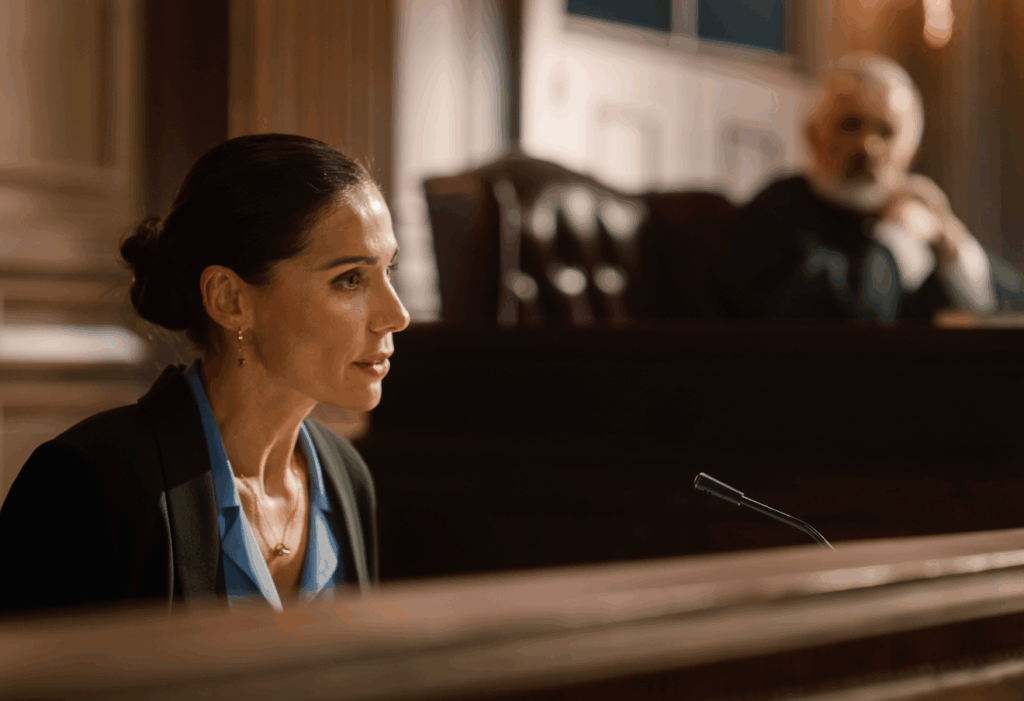
ODL 366: Introduction to Court Testimony: What to Expect and How to Behave as an Expert Witness

November 6, 2025 by Nicole Errickson

Please make sure to check with your own state board to ensure the transferability of CE credit for an asynchronous course. Some state boards may place restrictions regarding the modality of training required for ethics credits to be awarded. If this training indicates ethics credits are available, please verify that your state allows them to be earned through an on-demand course format.


Please note: This on-demand webinar is a replay of a live CE event. The format reflects the original presentation and may include live Q&A, transitions, and intermittent audio/visual fluctuations typical of a live recording.

1 CREDIT HOUR APPROVED FOR:

Social Workers
ASWB ACE – 1 CE Credit
New York State Education Department’s State Board for Social Work – 1 Contact Hour
Psychologists
APA – 1 CE Credit
Counselors
NBCC ACEP – 1 Contact Hour
New York State Education Department’s State Board for Mental Health Practitioners – 1 Contact Hour
Addiction Professionals
NAADAC – 1 Contact Hour
Nurses
California Board of Registered Nursing – 1 Contact Hour
New York State Education Department’s State Board for Mental Health Practitioners – 1 Contact Hour
Case Managers
CCMC – 1 CE Contact Hour- EXPIRES 10/29/26

Created On: 11/6/25   Revised On: 8/19/26     

Attention Case Managers ONLY: CCMC expires on this course on 10/29/26 and will not be renewed. Please complete before this date.              

Target Audience:

This course is targeted for social workers, psychologists, counselors, nurses and case managers.

Instructional Level:

Beginner

Counselor Skill Groups: 

5. Documentation
8. Legal, Ethical and Professional Development

Overview:

This 1-hour introductory course is designed to prepare licensed mental health professionals for the unique responsibilities of serving as an expert witness in legal proceedings. While most clinicians may never be summoned to testify, understanding the foundational aspects of courtroom protocol, legal terminology, and witness demeanor is critical. This course will provide an overview of the types of legal hearings where expert testimony may be requested, delineate the roles and expectations of courtroom participants, and outline professional conduct and ethical standards for expert witnesses. Participants will gain essential tools to navigate the courtroom confidently and competently, enhancing their ability to contribute to legal processes while reducing personal stress and maintaining professional integrity.

Course Objectives:

By the end of the session, the participant will be able to:

  • Name the types of hearings where an expert may be used and explain the role of each member of the court process.
  • Identify three principles of good testimony while serving as an expert witness.
  • Describe the most common sequence of procedures in the court process.

Presenter:

Carl A. Bonacci, PhD, Clinical Psychology

Carl A. Bonacci, PhD, is a clinical psychologist with a background in forensic evaluations and court testimony. He has submitted more than 200 court-ordered reports and testified in both criminal and civil court hearings. Dr. Bonacci has been recognized as an expert in multiple jurisdictions including California, Arizona, federal territories, and military courts martial. In addition to forensics, Dr. Bonacci has a background in geriatric neuropsychology and behavioral management of cognitively impaired individuals. He has conducted neuropsychological assessments and consulted on challenging cases in nursing facilities, assisted living homes, and private clinics.

Filed Under: 1 Hour On-Demand Training, VOD Courses Tagged With: On-Demand

ODL 363: Caring Across Cultures: Global Wisdom for Culturally Competent Practice

November 5, 2025 by Nicole Errickson

Please make sure to check with your own state board to ensure the transferability of CE credit for an asynchronous course. Some state boards may place restrictions regarding the modality of training required for ethics credits to be awarded. If this training indicates ethics credits are available, please verify that your state allows them to be earned through an on-demand course format.

Please note: This on-demand webinar is a replay of a live CE event. The format reflects the original presentation and may include live Q&A, transitions, and intermittent audio/visual fluctuations typical of a live recording.

 5 CREDIT HOURS APPROVED FOR:

Social Workers
ASWB ACE – 5 Cultural Competence CE Credits
New York State Education Department’s State Board for Social Work – 5 Contact Hours
Psychologists
APA – 5 CE Credits
Counselors
NBCC ACEP – 5 Contact Hours
New York State Education Department’s State Board for Mental Health Practitioners – 5 Contact Hours
Addiction Professionals
NAADAC – 5 Contact Hours
Nurses
California Board of Registered Nursing – 5 Contact Hours
New York State Education Department’s State Board for Mental Health Practitioners – 5 Contact Hours
Case Managers
CCMC – 5 CE Contact Hours

Created On:  11/5/25            Revised On: 7/28/26        

Target Audience:

This course is targeted for social workers, psychologists, counselors, nurses and case managers.

Instructional Level:

Beginner

Counselor Skill Groups: 

4. Counseling Services
6. Case Management
8. Legal, Ethical and Professional Development

Overview:

This training session, led by Dr. Ashley Cureton, Assistant Professor at the University of Michigan’s School of Social Work and Marsal Family School of Education, will delve into her international work in countries like Uganda, Zambia, Ghana, South Africa, Jordan, Turkey, India, Ecuador, Peru, and the United States. As someone who has traveled, lived, and/or worked in over 100 countries and seven continents, Dr. Cureton will share her practice and research experiences on the educational and mental health needs of displaced youth and families, emphasizing the importance of cultural competence and responsiveness in clinical settings. Participants will explore strategies to enhance their practice when working with diverse populations locally and/or globally, ensuring ethical and effective service delivery.

Course Objectives:

By the end of the session, the participant will be able to:

  • Analyze the impact of forced migration and displacement on the mental health and educational outcomes of refugee and migrant populations.
  • Identify key cultural factors and social determinants that influence client experiences and treatment outcomes in diverse cultural contexts.
  • Apply principles of cultural competence and responsiveness to develop ethical and effective intervention strategies for clients from varied cultural backgrounds.
  • Evaluate the role of community-engaged research in informing culturally tailored clinical practices.
  • Develop a personal action plan to integrate global perspectives and culturally responsive approaches into their professional practice.

Presenter:

Ashley Cureton, PhD, MSW, Assistant Professor at the University of Michigan

Dr. Ashley Cureton is an assistant professor in the School of Social Work and Marsal Family School of Education at the University of Michigan, Ann Arbor. She is also a visiting scholar at the University of Pennsylvania Graduate School of Education. Prior to her current role, she was a Provost’s Postdoctoral Fellow and lecturer in the School of Education and the Department of Sociology at Johns Hopkins University. 

Dr. Cureton identifies as a forced migration and international social work scholar who seeks to identify culturally specific interventions, programs, and policies to improve the educational, socio-emotional, and environmental outcomes of refugee children, youth, and their families in the U.S and abroad. By engaging in community-based participatory research, she is further interested in the role of institutions, such as resettlement agencies, refugee-led organizations, and schools, in supporting the distinct needs of these vulnerable yet resilient groups. She has over a decade of research and practice experience collaborating with refugee and migrant populations in global contexts like Uganda, South Africa, Zambia, Ghana, Morocco, Lebanon, Jordan, Ecuador, Peru, India, The Bahamas, and the United States. 

Prior to attending graduate school, Dr. Cureton worked as a research associate at Northwestern University’s Institute for Policy Research. She also served as a research fellow for the U.S. Department of State in Turkey, working with Syrian refugee youth in school and community settings. Dr. Cureton received a PhD and master’s degree from the Crown Family School of Social Work, Policy, and Practice at the University of Chicago. She also received graduate certificates in forced migration and refugee mental health from Harvard University, the University of Oxford, and Northwestern University. 

Dr. Cureton has published numerous articles in top peer-reviewed academic journals such as Youth & Society, Urban Education, International Social Work, Children & Schools, Journal of Adolescent Research and Journal of Career Assessment, to name a few. She has received funding support from the Substance Abuse and Mental Health Services Administration, National Endowment of the Arts, Michigan Humanities Council, Fahs Beck Fund for Research and Experimentation, and the National Center for Institutional Diversity. Dr. Cureton has received several prestigious awards, such as being recognized by Diverse Issues of Higher Education as a 2025 Emerging Scholar due to her exceptional research, teaching, and service in the fields of social work and education as well as the Elizabeth Butler (Alumni) Award from the University of Chicago Crown Family School of Social Work, Policy, and Practice, which celebrates a recent graduate who has shown remarkable potential and extraordinary career success in the field of social work. Dr. Cureton has also been recognized as an exceptional educator, winning the 2022 Teacher of the Year Award through the University of Michigan within her first year as a professor. 

Filed Under: VOD Courses Tagged With: On-Demand

Power Hour: The Calm Within: Building Inner Peace & Emotional Resilience 3/3/26

November 4, 2025 by Jess W

Filed Under: Uncategorized

  • « Previous Page
  • 1
  • …
  • 3
  • 4
  • 5
  • 6
  • 7
  • …
  • 12
  • Next Page »
CEU Creations
  • About Us
  • FAQs
  • Contact & Help

11770 Haynes Bridge Rd
Suite 205-276
Alpharetta, GA 30009
[email protected]

Follow Us:

Facebook Twitter

Accessibility Statement   |   Privacy Policy   |   Cancellation Policy

This material may not be published, rewritten, or redistributed. Copyright © 2026 CEU Creations - All Rights Reserved