
CEU Creations
Log In / Sign Up
  • Unlimited CE Bundle
  • CE Trainings
    • Livestream CE Webinars
    • Video-On-Demand CE Trainings
    • Free CEs!
    • My Event Registrations
    • State Requirements
    • Accreditations
  • Certification Programs
  • Bundle Member Resources
  • Marketers/Sponsors
    • Overview
    • CE Coupon Options
    • Watch Parties
    • Sponsor Partners
  • Blog
  • FAQs
  • Log In / Sign Up
  • My Profile
  • Logout
  • Search

ODL 425: A Comprehensive Overview of Diagnosing & Treating OCD

June 26, 2026 by Nicole Errickson

Please make sure to check with your own state board to ensure the transferability of CE credit for an asynchronous course. Some state boards may place restrictions regarding the modality of training required for ethics credits to be awarded. If this training indicates ethics credits are available, please verify that your state allows them to be earned through an on-demand course format.

Please note: This on-demand webinar is a replay of a live CE event. The format reflects the original presentation and may include live Q&A, transitions, and intermittent audio/visual fluctuations typical of a live recording.

6 CREDIT HOURS APPROVED FOR:

Social Workers
ASWB ACE – 6 Clinical Continuing Education credits
New York State Education Department’s State Board for Social Work – 6 Contact hours
Psychologists
APA – 6 CE credits
Counselors 6 Contact hours
NBCC ACEP – 6 Contact hours
New York State Education Department’s State Board for Mental Health Practitioners – 6 Contact hours
Addiction Professionals
NAADAC – 6 Contact hours
Nurses
California Board of Registered Nursing – This course is not approved for Nursing Contact hours
Case Managers
CCMC – This course is not approved for CCMC Contact hours

Created On:  6/29/26                

Target Audience:

This course is targeted for social workers, psychologists, and counselors.

Instructional Level:

Intermediate

Counselor Skill Groups: 

4. Counseling Services

Overview:

Obsessive-Compulsive Disorder (OCD) is a unique diagnosis that requires a specialized approach. Having knowledge of this disorder’s characteristics and evidenced-based treatment approaches is essential to supporting clients who have OCD. 

This training will review the diagnostic criteria for OCD, paying special attention to the main characteristics of obsessions and compulsions. Case studies will present different etiologies of OCD and encourage learners to engage in differential diagnosis and case conceptualization. Learners will discover assessment procedures that elicit core symptomology. CBT and ERP will be presented as the preferred evidenced-based approaches to treating this disorder, and learners will define proper treatment approaches and interventions.

Course Objectives:

By the end of the session, the participant will be able to:

  • Demonstrate an understanding of the fundamentals of Obsessive-Compulsive Disorder. 
  • Identify key symptomology through a review of the DSM-5-TR criteria.
  • Differentiate between obsessions and compulsions of the disorder and show examples of how each manifests with OCD.
  • Discover methods of engaging clients in OCD treatment.
  • Formulate appropriate intervention plans for evidence-based treatment.
  • Evaluate and implement evidence-based treatment methods, such as CBT and ERP.
  • Apply increased confidence and skill in supporting clients with OCD.

Presenter:

Diane Bigler, LCSW, LSCSW, owner of Diane Bigler Therapy Services, Inc. 

Diane Bigler is a Licensed Clinical Social Worker in Missouri and Kansas. She has over 20 years of experience in the social services field. Diane has held positions as a therapist (in-home and outpatient), private practice owner, trainer/facilitator, clinical supervisor, and professor of social work. She also has experience in corporate wellness training and coaching. Diane is most passionate about providing quality educational training to professionals. She enjoys spoiling her four dachshunds and anything 80s-related.


Filed Under: VOD Courses Tagged With: On-Demand

Ethics, Implicit Bias, Cultural Humility & Healthcare Disparities – A Day of Learning Using Video, Case Scenarios, and Ethical Frameworks 12/5/26

June 26, 2026 by Jill Garroway

Filed Under: Uncategorized

Human Sexuality Across the Lifespan 12/8/26

June 25, 2026 by Jill Garroway

Filed Under: Uncategorized

Power Hour: Aging and End of Life: Thoughts from a Hospice Nurse 11/18/26

June 25, 2026 by Jill Garroway

Filed Under: Uncategorized

Deconstructing Anxiety: A New Evidence-Based Approach to Understanding and Treating Anxiety Disorders 11/17/26

June 23, 2026 by Jill Garroway

Filed Under: Uncategorized

ODL 422: Domestic Violence and Intimate Partner Violence: Trauma-Informed Identification, Safety Planning, and Ethical, Interdisciplinary Practice for Helping Professionals

June 23, 2026 by Nicole Errickson

Please make sure to check with your own state board to ensure the transferability of CE credit for an asynchronous course. Some state boards may place restrictions regarding the modality of training required for ethics credits to be awarded. If this training indicates ethics credits are available, please verify that your state allows them to be earned through an on-demand course format.

Please note: This on-demand webinar is a replay of a live CE event. The format reflects the original presentation and may include live Q&A, transitions, and intermittent audio/visual fluctuations typical of a live recording.

5 CREDIT HOURS APPROVED FOR:

Social Workers
ASWB ACE – 5 Clinical Continuing Education credits
New York State Education Department’s State Board for Social Work – 5 Contact hours
Psychologists
APA – 5 CE credits
Counselors 5 Contact hours
NBCC ACEP – 5 Contact hours
New York State Education Department’s State Board for Mental Health Practitioners – 5 Contact hours
Addiction Professionals
NAADAC – 5 Contact hours
Nurses
California Board of Registered Nursing – 5 Contact hours
Case Managers
CCMC – 5 CE Contact hours

Created On:  6/23/2026                  

Target Audience:

This course is targeted for social workers, psychologists, counselors, nurses and case managers.

Counselor Skill Groups: 

4. Counseling Services
5. Documentation
6. Case Management
7. Discharge and Continuing Care

Overview:

Domestic violence (DV), including intimate partner violence (IPV), is a pervasive public health and human services concern that intersects with trauma, mental health, substance use, chronic health conditions, child welfare, housing instability, immigration stressors, and economic insecurity. Helping professionals across healthcare, behavioral health, and social services are frequently the first or most trusted points of contact for individuals experiencing DV/IPV. Effective response requires a survivor-centered, trauma-informed approach that prioritizes safety, autonomy, and dignity while navigating ethical responsibilities, documentation standards, and interdisciplinary coordination.

This training provides an evidence-informed, trauma-responsive, and culturally attuned framework for recognizing DV/IPV patterns (including coercive control), using safe and appropriate screening approaches, conducting risk appraisal for escalation and lethality, and implementing practical, survivor-defined safety planning. Participants will also address considerations for diverse populations and contexts (e.g., LGBTQ+ survivors, older adults, individuals with disabilities, rural communities, and culturally/linguistically diverse clients), along with ethical decision-making, confidentiality and privacy considerations, mandated reporting parameters as applicable by role and jurisdiction, and strategies to reduce bias, enhance engagement, and prevent secondary traumatic stress.

Course Objectives:

By the end of the session, the participant will be able to:

  • Differentiate common patterns of DV/IPV using accepted terminology and practice frameworks.
  • Identify behavioral, psychological, and contextual indicators of DV/IPV.
  • Demonstrate at least two strategies to ask about DV/IPV in a way that prioritizes safety, autonomy, and dignity and is trauma-informed and culturally responsive. 
  • List key escalation/lethality indicators and select appropriate next steps when immediate danger is suspected.
  • Give examples of a survivor-centered safety plan that addresses immediate safety, digital/privacy safety, children and dependent-care considerations, pets, and common barriers to leaving. 
  • Integrate ethical decision-making into DV/IPV response by analyzing confidentiality, informed consent, professional boundaries, documentation, and collaboration dilemmas consistent with professional ethical standards and applicable laws/regulations.

Presenter:

Jessica Loftus, LICSW

Jessica Loftus (she/her), LICSW, has spent the last 20 years of her work as a clinical social worker committed to supporting survivors of gender-based violence and complex trauma in refugee camps, domestic violence shelters, trauma-specific services, and within healthcare. Jessica was the Program Director of Violence Intervention and Prevention Programs at Brigham and Women’s Hospital in Boston, Massachusetts, until March 2025, when the hospital system undertook structural reorganization. She is currently a Senior Clinical Social Worker at Beth Israel Deaconess Medical Center and sees clients in private practice. As the co-founder of the Adelante Project, Jessica has sought to develop creative and meaningful healthcare-based services for people who have experienced all forms of exploitation and human trafficking, and to develop and change systems that care for these survivors. Jessica is an expert in clinical care for survivors of intimate partner violence, sexual violence, human trafficking, and complex trauma. She holds a Master of Social Work from Boston College Graduate School of Social Work and a Bachelor of Arts from Vassar College.

Filed Under: VOD Courses

From Awareness to Action: The Ethics of Trauma-Informed Care 11/13/26

June 23, 2026 by Jill Garroway

Filed Under: Uncategorized

ODL 421: Balancing Ambition and Anxiety: Tools for the Modern Woman

June 23, 2026 by Nicole Errickson

Please make sure to check with your own state board to ensure the transferability of CE credit for an asynchronous course. Some state boards may place restrictions regarding the modality of training required for ethics credits to be awarded. If this training indicates ethics credits are available, please verify that your state allows them to be earned through an on-demand course format.

Please note: This on-demand webinar is a replay of a live CE event. The format reflects the original presentation and may include live Q&A, transitions, and intermittent audio/visual fluctuations typical of a live recording.

1 CREDIT HOUR APPROVED FOR:

Social Workers
ASWB ACE – 1 Clinical Continuing Education credit
New York State Education Department’s State Board for Social Work – 1 Contact hour
Psychologists
APA – 1 CE credit
Counselors 1 Contact hour
NBCC ACEP – 1 Contact hour
New York State Education Department’s State Board for Mental Health Practitioners – 1 Contact hour
Addiction Professionals
NAADAC – 1 Contact hour
Nurses
California Board of Registered Nursing – 1 Contact hour
Case Managers
CCMC – This course is not approved for CCMC Contact hours

Created On:  6/23/26                

Target Audience:

This course is targeted for social workers, psychologists, counselors, and nurses.

Counselor Skill Groups: 

4. Counseling Services

Overview:

Many high-achieving women appear confident and capable while privately experiencing persistent anxiety, self-doubt, and emotional exhaustion. This training explores how anxiety uniquely presents in ambitious women, often driven by perfectionism, people-pleasing, and chronic boundary strain. Grounded in CBT, mindfulness, and relationally informed approaches, participants will gain practical, client-centered tools to help women reduce anxiety, strengthen self-trust, and achieve sustainable balance without sacrificing their achievements or identity.

Course Objectives:

By the end of the session, the participant will be able to:

  • Identify at least three cognitive, emotional, or behavioral patterns that perpetuate anxiety in high-achieving women.
  • Apply at least two evidence-based interventions to help clients reduce anxiety while maintaining healthy ambition.
  • Demonstrate one structured boundary-setting or emotional regulation strategy that supports increased self-trust, reduced burnout, and long-term emotional stability in high-achieving women.

Presenter:

Lauren Chase, PhD, LCMHC, NCC, BC-TMH

Dr. Lauren Chase is a clinical mental health counselor, counselor educator, and owner of Climbing Hills Counseling, a practice where she specializes in working with high-achieving women to raise self-esteem and set stronger boundaries to live a more fulfilling life. In her free time, she likes to spend time with her dog, read historical fiction novels, and explore nature.

Her education and professional career have been focused on culturally responsive child-centered play therapy with children and families. She has worked in various settings, including community mental health, high school, university disability services, homeless shelter, and residential facility over the course of four years. She has won awards for her commitment to the field of suicide prevention and for promoting creativity in the counseling profession. Her research interests include social justice advocacy, trauma, cultural humility, and play therapy.

Filed Under: 1 Hour On-Demand Training, VOD Courses Tagged With: On-Demand

ODL 423: Introduction to Self-Meaning Based Therapy (SMBT) 

June 22, 2026 by Nicole Errickson

Please make sure to check with your own state board to ensure the transferability of CE credit for an asynchronous course. Some state boards may place restrictions regarding the modality of training required for ethics credits to be awarded. If this training indicates ethics credits are available, please verify that your state allows them to be earned through an on-demand course format.

Please note: This on-demand webinar is a replay of a live CE event. The format reflects the original presentation and may include live Q&A, transitions, and intermittent audio/visual fluctuations typical of a live recording.

1 CREDIT HOUR APPROVED FOR:

Social Workers
ASWB ACE – 1 Clinical Continuing Education credit
New York State Education Department’s State Board for Social Work – 1 Contact hour
Psychologists
APA – 1 CE credit
Counselors 1 Contact hour
NBCC ACEP – 1 Contact hour
New York State Education Department’s State Board for Mental Health Practitioners – 1 Contact hour
Addiction Professionals
NAADAC – This course is not approved for NAADAC Contact hours
Nurses
California Board of Registered Nursing – This course is not approved for Nursing Contact hours
Case Managers
CCMC – This course is not approved for CCMC Contact hours

Created On:  6/22/2026                 

Target Audience:

This course is targeted for social workers, psychologists, and counselors.

Overview:

Many clients leave therapy with greater insight and symptom relief, yet still feel fundamentally unchanged at a deeper level. This introductory training offers a fresh perspective on why that happens and what to do about it.

Self-Meaning Based Therapy® (SMBT) introduces a trauma-informed, neuroscience-grounded approach that shifts the focus from pathology to meaning. Rather than viewing persistent patterns as resistance or dysfunction, SMBT understands them as expressions of a person’s core Self-Meaning – a deeply held, experiential sense of self formed in early relational contexts.

In this 1-hour overview, clinicians will be introduced to the foundational concepts of SMBT and begin to explore how working directly with one’s core Self-Meaning can deepen therapeutic impact across modalities.

Course Objectives:

By the end of the session, the participant will be able to:

  • Explain why traditional talk therapy may not fully transform one’s core self-experience.
  • Identify how one’s core Self-Meaning shows up clinically through emotion, sensation, and relational patterns.
  • Examine the depathologizing framework of SMBT and its implications for clinical practice.
  • Recognize the relevance of SMBT across client populations, particularly in trauma work.

Presenters:

Dr. Lawrie Ignacio, PsyD

Dr. Lawrie Ignacio is a clinical psychologist, educator, and co-developer of Self-Meaning-Based Therapy® (SMBT) and Intensive Psychodynamic Couple Therapy (IPCT). Her work explores how implicit self-meaning, formed in early life, shapes identity, suffering, and relationships. Based in Honolulu, she teaches and mentors doctoral students while contributing to community care through the co-founding of Hawaiʻi’s first pro-bono virtual mental health clinic. She presents nationally and internationally.

Dr. Graham Taylor, PsyD

Dr. Graham Taylor is a clinical psychologist whose work integrates psychodynamic, humanistic, and trauma-informed approaches with neuroscience. He is co-developer of Self-Meaning-Based Therapy® (SMBT) and Intensive Psychodynamic Couple Therapy (IPCT). His work focuses on how implicit self-meaning organizes emotional and relational life, and how therapy can access these deeper layers. He teaches, consults, and contributes to professional dialogue through writing, speaking, and podcasting.

* Conflict of Interest Disclosure: The developers of SMBT have professional affiliations with Level Education Group and an intellectual and professional interest in the modality. No commercial support was received for this continuing education activity, and no related products or services are being promoted or sold through it. CEU Creations independently reviewed the activity for educational quality, accurate representation of the available evidence, and commercial bias.

Filed Under: 1 Hour On-Demand Training, Free Course, VOD Courses Tagged With: On-Demand

Understanding and Integrating Client Spiritual Background and Worldview 11/12/26

June 18, 2026 by Jill Garroway

Filed Under: Uncategorized

Ethical Responsibilities in Risk Assessment: Suicide, Homicide, and Duty to Protect 11/6/26

June 16, 2026 by Jill Garroway

Filed Under: Uncategorized

Applying the DSM-5-TR: Ethical, Accurate, and Culturally Responsive Diagnosis 11/5/26

June 16, 2026 by Jill Garroway

Filed Under: Uncategorized

ODL 420: The Psychology of Uncertain Memory: Blackouts, Confessions, and Accusations 

June 11, 2026 by Nicole Errickson

Please make sure to check with your own state board to ensure the transferability of CE credit for an asynchronous course. Some state boards may place restrictions regarding the modality of training required for ethics credits to be awarded. If this training indicates ethics credits are available, please verify that your state allows them to be earned through an on-demand course format.

Please note: This on-demand webinar is a replay of a live CE event. The format reflects the original presentation and may include live Q&A, transitions, and intermittent audio/visual fluctuations typical of a live recording.

5 CREDIT HOURS APPROVED FOR:

Social Workers
ASWB ACE – 5 Clinical Continuing Education credits
New York State Education Department’s State Board for Social Work – 5 Contact hours
Psychologists
APA – 5 CE credits
Counselors 5 Contact hours
NBCC ACEP – 5 Contact hours
New York State Education Department’s State Board for Mental Health Practitioners – 5 Contact hours
Addiction Professionals
NAADAC – 5 Contact hours
Nurses
California Board of Registered Nursing – 5 Contact hours
Case Managers
CCMC – This course is not approved for CCMC Contact hours

Created On:  6/12/2026                

Target Audience:

This course is targeted for social workers, psychologists, counselors, and nurses.

Instructional Level:

Intermediate

Counselor Skill Groups: 

4. Counseling Services
8. Legal, Ethical and Professional Development

Overview:

This 5-hour course brings together three topic areas that often confound forensic evaluations but may be encountered in any clinical practice: false accusations, false confessions, and alcohol induced blackouts. False accusations present a particular challenge to mental health practitioners, and insights into the factors and dynamics behind these claims will help clinicians better navigate their conversations with clients around this topic. False confessions are a very interesting phenomenon, particularly in forensic assessment. This course asks the question, “What would make a person confess to a crime or act they did not commit?” Finally, the impact of alcohol on cognition, and particularly memory, is explored in a segment on alcohol-induced blackouts. 

Together, these three domains are a source of lively debate and often confusing empirical findings. This course aims to illuminate the research behind each of these areas to give the clinician a foundation for addressing them in real practice.

Course Objectives:

By the end of the session, the participant will be able to:

  • Identify three pathways to false accusations.
  • Explain two types of error in assessing the veracity of an accusation.
  • Identify three factors associated with false confessions.
  • Describe three tactics in the Reid Technique of interrogation.
  • Explain two ways in which alcohol affects the brain.
  • Differentiate alcohol induced “en bloc” blackouts from fragmentary blackouts.

Presenter:

Carl A. Bonacci, PhD 

Dr. Bonacci is a clinical psychologist with a background in forensic evaluations and court testimony. He has submitted more than 200 court ordered reports and testified in both criminal and civil court hearings. In addition to forensics, Dr. Bonacci has a background in neuropsychology, including studying the effects of alcohol on cognition. In his forensic practice, Dr. Bonacci has reviewed and referenced empirical research on false accusations and false confessions and incorporates these insights into his forensic consultations. He has taught courses on forensic testimony as well as behavioral management of cognitively impaired individuals.

Filed Under: VOD Courses Tagged With: On-Demand

ODL 419: Innovative Approaches to Supporting Students Navigating Mental Health Challenges

June 10, 2026 by Nicole Errickson

Please make sure to check with your own state board to ensure the transferability of CE credit for an asynchronous course. Some state boards may place restrictions regarding the modality of training required for ethics credits to be awarded. If this training indicates ethics credits are available, please verify that your state allows them to be earned through an on-demand course format.

Please note: This on-demand webinar is a replay of a live CE event. The format reflects the original presentation and may include live Q&A, transitions, and intermittent audio/visual fluctuations typical of a live recording.

3 CREDIT HOURS APPROVED FOR:

Social Workers
ASWB ACE – 3 Clinical Continuing Education credits
New York State Education Department’s State Board for Social Work – 3 Contact hours
Psychologists
APA – 3 CE credits
Counselors 3 Contact hours
NBCC ACEP – 3 Contact hours
New York State Education Department’s State Board for Mental Health Practitioners – 3 Contact hours
Addiction Professionals
NAADAC – 3 Contact hours
Nurses
California Board of Registered Nursing – 3 Contact hours
Case Managers
CCMC – 3 CE Contact hours

Created On:  6/11/2026                  

Target Audience:

This course is targeted for social workers, psychologists, counselors, nurses and case managers.

Counselor Skill Groups: 

4. Counseling Services
6. Case Management

Overview:

Children and adolescents often experience school-related stressors that affect their mental health, emotional well-being, and academic success. For parents and other family caregivers, navigating the school system while addressing students’ mental health needs can be challenging and overwhelming. Mental health clinicians and other providers are frequently tasked with supporting students and families in managing school-related mental health concerns and accessing appropriate supports.

This webinar will provide a practical framework for navigating school-based mental health services, resources, and supports for children and adolescents. Participants will learn strategies and tools to help caregivers support students’ mental health at school, collaborate effectively with educational teams, and advocate for appropriate accommodations. The training will focus on equipping providers with actionable knowledge to help students and families navigate the school landscape while promoting mental health and resilience.

Course Objectives:

By the end of the session, the participant will be able to:

  • Identify sources of stress, frustration, and anxiety experienced by both kids and families as they pertain to the school setting.
  • Demonstrate an understanding of the school landscape of services and supports.
  • Summarize a knowledge base and strategies to support school-age children and adolescents.
  • Identify tools to offer parents and other family caregivers to support children and adolescents in school.

Presenter:

Christina Marsack-Topolewski, LMSW, PhD

Christina Marsack-Topolewski, LMSW, PhD is a licensed social worker and an tenured Professor of Social Work at Eastern Michigan University. She received her bachelor’s of science in Special Education from Wayne State University, master’s degree in Social Work from the University of Michigan, and her PhD in Social Work from Wayne State University. She has 20 years of experience supporting individuals with disabilities and their family caregivers. She has worked with individuals with disabilities with co-occurring conditions, including chronic pain. Dr. Marsack-Topolewski has worked as a professor, clinical therapist, teacher, consultant, and speaker. She has published over 90 research articles in scholarly journals and encyclopedias regarding individuals with developmental disabilities, family caregiving, and formal social supports.


Dr. Marsack-Topolewski has served as the lead principal investigator on multiple grant-funded programs tailoring services for individuals with disabilities and their caregivers. She is an appointed board member of the U.S. National Task Group (NTG) on Intellectual Disability and Dementia Practices. Dr. Marsack-Topolewski’s research has been featured on National Public Radio (NPR) and ABC News Detroit. Over the past five years, she testified before members of the Michigan Legislature to advocate for new laws that protect against the exploitation and abuse of adults with disabilities. Two of these house bills were signed into law in the state of Michigan in December 2023. In 2024, she received the Ronald W. Collins Distinguished Research Award for Research Excellence. In addition, she received the Arc of Oakland County’s Advocacy Hall of Fame Award in 2024. Outside of work, she loves spending time with her husband, their three daughters, and family and friends.

Filed Under: VOD Courses

ODL 418: Stronger Together: Cross-System Collaboration to Empower Unaccompanied Youth

June 9, 2026 by Nicole Errickson

Please make sure to check with your own state board to ensure the transferability of CE credit for an asynchronous course. Some state boards may place restrictions regarding the modality of training required for ethics credits to be awarded. If this training indicates ethics credits are available, please verify that your state allows them to be earned through an on-demand course format.

Please note: This on-demand webinar is a replay of a live CE event. The format reflects the original presentation and may include live Q&A, transitions, and intermittent audio/visual fluctuations typical of a live recording.

1 CREDIT HOUR APPROVED FOR:

Social Workers
ASWB ACE – 1 General Continuing Education credit
New York State Education Department’s State Board for Social Work – 1 Contact hour
Psychologists
APA – 1 CE credit
Counselors 1 Contact hour
NBCC ACEP – 1 Contact hour
New York State Education Department’s State Board for Mental Health Practitioners – 1 Contact hour
Addiction Professionals
NAADAC – 1 Contact hour
Nurses
California Board of Registered Nursing – 1 Contact hour
Case Managers
CCMC – 1 CE Contact hour

Created On:  6/10/2026                   

Target Audience:

This course is targeted for social workers, psychologists, counselors, nurses and case managers.

Counselor Skill Groups: 

6. Case Management

Overview:

Unaccompanied youth experiencing homelessness face unique educational barriers that no single school role or community organization can address alone. This virtual training focuses on strengthening cross-systems collaboration within schools and with community partners to improve identification, reduce stigma, and increase educational access and outcomes for unaccompanied youth under the McKinney-Vento Homeless Assistance Act.

Course Objectives:

By the end of the session, the participant will be able to:

  • Explain how cross-systems collaboration supports identification, stability, and educational success for unaccompanied youth in alignment with federal McKinney-Vento requirements.
  • Identify key school-based systems and community partners that can work together to reduce stigma, remove barriers, and ensure equitable access to educational opportunities.
  • Apply youth-centered, strengths-based strategies that elevate student voice, promote self-advocacy, and empower unaccompanied youth to take charge of their education.

Presenter:

Lori Carmack, MSW, LMSW, LSSW, Youth & Family Advocate

With over 20 years of experience in the school system, Lori has dedicated her career to supporting youth and families. She has extensive experience with the McKinney-Vento Act, juvenile justice, mental health counseling, suicide prevention, and risk assessments. Lori has been instrumental in developing community partnerships to enhance mental health services, support students experiencing homelessness, and address the basic needs that are essential for student well-being and support. 

Lori built a school social work program aligned with the School Social Work Association of America’s (SSWAA) National School Social Work Practice Model. Her leadership in creating this framework, along with her expertise in grant writing and retention efforts, has earned her both state and national recognition.

Passionate about creating sustainable change, Lori continues to advocate for school social work services that align with the updated SSWAA Practice Model 2.0 to promote equity, evidenced-based practice, and systemic support for the whole child.

Filed Under: 1 Hour On-Demand Training, VOD Courses Tagged With: On-Demand

ODL 417: Military Cultural Competence: Building Trust, Understanding, and Effective Support 

June 7, 2026 by Nicole Errickson

Please make sure to check with your own state board to ensure the transferability of CE credit for an asynchronous course. Some state boards may place restrictions regarding the modality of training required for ethics credits to be awarded. If this training indicates ethics credits are available, please verify that your state allows them to be earned through an on-demand course format.

Please note: This on-demand webinar is a replay of a live CE event. The format reflects the original presentation and may include live Q&A, transitions, and intermittent audio/visual fluctuations typical of a live recording.

5 CREDIT HOURS APPROVED FOR:

Social Workers
ASWB ACE – 5 Cultural Competence Continuing Education credits
New York State Education Department’s State Board for Social Work – 5 Contact hours
Psychologists
APA – 5 CE credits
Counselors 5 Contact hours
NBCC ACEP – 5 Contact hours
New York State Education Department’s State Board for Mental Health Practitioners – 5 Contact hours
Addiction Professionals
NAADAC – 5 Contact hours
Nurses
California Board of Registered Nursing – 5 Contact hours
Case Managers
CCMC – 5 CE Contact hours

Created On:  6/8/2026                 

Target Audience:

This course is targeted for social workers, psychologists, counselors, nurses and case managers.

Counselor Skill Groups: 

4. Counseling Services
6. Case Management

Overview:

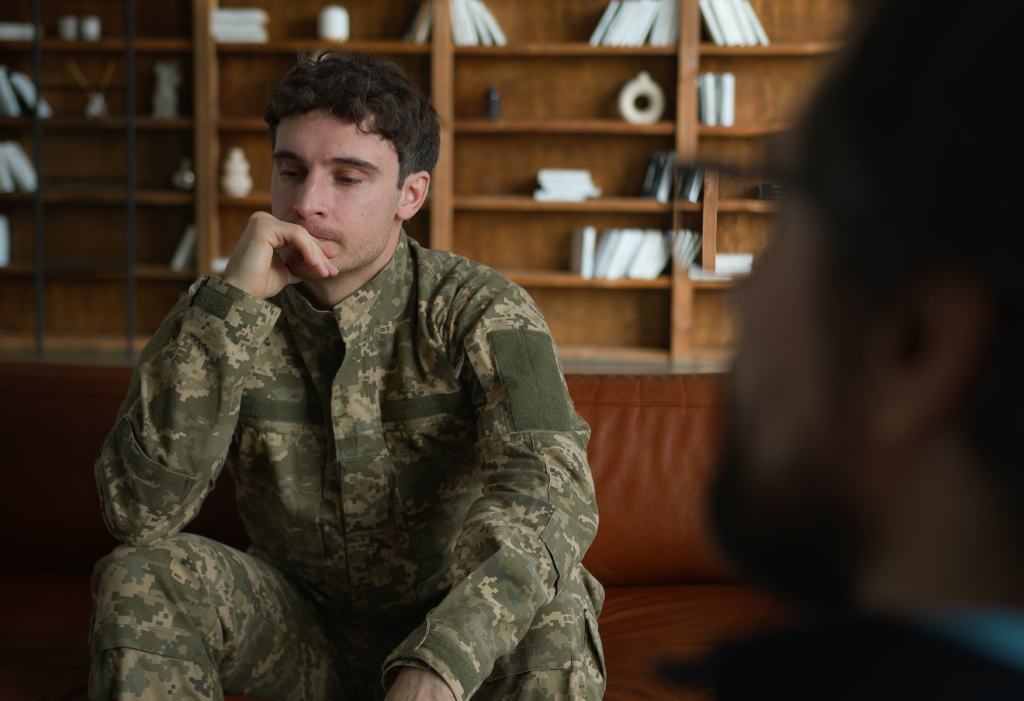
This intensive 5-hour training is designed to deepen participants’ knowledge, awareness, and practical skills for working effectively with service members, veterans, and military families. Military culture shapes identity, communication, stress responses, and help-seeking behaviors in ways that differ significantly from civilian life. Without an understanding of this cultural context, even well-intentioned providers may unintentionally create barriers to trust or engagement.

Through interactive learning, case discussion, reflection, and applied practice, participants will explore military structure and terminology; rank, hierarchy, and roles; the realities of deployment and reintegration; and the unique strengths and stressors experienced across the military lifecycle. Special attention will be given to trauma-informed, equity-centered, and systemic perspectives, recognizing the intersections of gender, race, family role, stigma, and identity within the military community. Participants will leave with increased confidence, cultural humility, and practical tools for building rapport, communicating effectively, and supporting culturally responsive care.

Course Objectives:

By the end of the session, the participant will be able to:

  • Describe core elements of military culture , including rank structure, customs, values, and the impact of hierarchy on communication and decision-making.
  • Identify common experiences and stressors across the military lifecycle, such as training demands, deployment, reintegration, relocation, and transition to civilian life.
  • Explain how military culture influences identity, relationships, resilience, and help-seeking behaviors among service members, veterans, and families.
  • Recognize barriers to care including stigma, confidentiality concerns, mistrust, systemic inequities, and institutional pressures related to readiness and performance.
  • Integrate resource awareness (VA, TRICARE, community supports, crisis resources) into appropriate referral and care pathways.

Presenter:

Erika Wallgren, MS, LMSW, and Doctoral Candidate

Erika Wallgren is an integrated therapist, educator, and doctoral candidate dedicated to advancing trauma-informed mental health care for underserved and military-connected populations. She currently serves as an integrated trauma therapist at Thrive Wellness & Recovery, where she provides evidence-based treatment for individuals navigating co-occurring substance use and mental health disorders.

In addition to her clinical practice, Erika is an adjunct professor of communication, teaching courses in interpersonal communication, conflict management, rhetorical thinking, and professional public speaking across diverse higher-education platforms. Her teaching emphasizes experiential learning, effective communication strategies, and empowerment-oriented practice.

Erika is currently a Doctoral Candidate in the College of Social Work at the University of Kentucky with a concentration in Military Behavioral Health. Her research focuses on Secondary Traumatic Stress (STS) among military spouses, exploring systemic barriers to care and developing trauma-informed, family-systems-based frameworks to promote resilience and access to culturally responsive support.

Filed Under: VOD Courses Tagged With: On-Demand

Applied Motivational Interviewing: Advanced Skills for Eliciting Change 9/19/26

June 4, 2026 by Jill Garroway

Filed Under: Uncategorized

Foundations of Motivational Interviewing & Ethical Practice 9/18/26

June 4, 2026 by Jill Garroway

Filed Under: Uncategorized

Applied Supervision Practice: Ethics, Evaluation, and Real-World Application 10/9/26

June 3, 2026 by Jill Garroway

Filed Under: Uncategorized

Foundations of Clinical Supervision — Models, Roles, and Cultural Responsiveness 10/8/26

June 3, 2026 by Jill Garroway

Filed Under: Uncategorized

ODL 416: Perimenopause: The Missing Chapter in Women’s Mental Health

May 26, 2026 by Nicole Errickson

Please make sure to check with your own state board to ensure the transferability of CE credit for an asynchronous course. Some state boards may place restrictions regarding the modality of training required for ethics credits to be awarded. If this training indicates ethics credits are available, please verify that your state allows them to be earned through an on-demand course format.

Please note: This on-demand webinar is a replay of a live CE event. The format reflects the original presentation and may include live Q&A, transitions, and intermittent audio/visual fluctuations typical of a live recording.

1 CREDIT HOUR APPROVED FOR:

Social Workers
ASWB ACE – 1 Clinical Continuing Education credit
New York State Education Department’s State Board for Social Work – 1 Contact hour
Psychologists
APA – 1 CE credit
Counselors 1 Contact hour
NBCC ACEP – 1 Contact hour
New York State Education Department’s State Board for Mental Health Practitioners – 1 Contact hour
Addiction Professionals
NAADAC – 1 Contact hour
Nurses
California Board of Registered Nursing – 1 Contact hour
Case Managers
CCMC – 1 CE Contact hour

Created On:  5/27/26                 

Target Audience:

This course is targeted for social workers, psychologists, counselors, nurses and case managers.

Counselor Skill Groups: 

4. Counseling Services

Overview:

Perimenopause is a major biopsychosocial transition that can significantly affect mood, cognition, identity, relationships, and overall functioning. This training equips helping professionals to recognize common psychological, emotional, and cognitive presentations associated with perimenopause (e.g., anxiety, depression, irritability/rage, brain fog, memory lapses), and to differentiate these from primary mood and anxiety disorders in ways that improve assessment, case conceptualization, and treatment planning.

Course Objectives:

By the end of the session, the participant will be able to:

  • Identify the key psychological, emotional, and cognitive symptoms of perimenopause and distinguish them from primary mood and anxiety disorders commonly seen in clinical practice.
  • Evaluate client presentations through a biopsychosocial framework that integrates hormonal changes, identity shifts, role transitions, and sociocultural factors influencing women’s midlife mental health.
  • Apply developmentally appropriate therapeutic strategies to support clients experiencing perimenopause, including psychoeducation, validation, identity work, and guidance on navigating medical care and self-advocacy.

Presenter:

Bethany Comeau, MA, LPC

Bethany Comeau is a licensed professional counselor in private practice based in Americus, Georgia, with nearly 20 years experience in the mental health field. In addition to working with clients whose anxiety is rooted in perfectionism and people pleasing, her clinical areas of focus also include grief and loss, infertility, and The Highly Sensitive Person. Bethany is also a recovering perfectionist and people pleaser, and deeply passionate about helping others who are struggling with types of trauma responses learn how to find their way back to themselves.

Filed Under: 1 Hour On-Demand Training, VOD Courses Tagged With: On-Demand

ODL 415: Embracing Diversity: How Cross-Cultural Marriages Influence Counseling 

May 20, 2026 by Nicole Errickson

Please make sure to check with your own state board to ensure the transferability of CE credit for an asynchronous course. Some state boards may place restrictions regarding the modality of training required for ethics credits to be awarded. If this training indicates ethics credits are available, please verify that your state allows them to be earned through an on-demand course format.

Please note: This on-demand webinar is a replay of a live CE event. The format reflects the original presentation and may include live Q&A, transitions, and intermittent audio/visual fluctuations typical of a live recording.

1 CREDIT HOUR APPROVED FOR:

Social Workers
ASWB ACE – 1 Cultural Competence Education credit
New York State Education Department’s State Board for Social Work – 1 Contact hour
Psychologists
APA – 1 CE credit
Counselors 1 Contact hour
NBCC ACEP – 1 Contact hour
New York State Education Department’s State Board for Mental Health Practitioners – 1 Contact hour
Addiction Professionals
NAADAC – This course is not approved for NAADAC Contact hours
Nurses
California Board of Registered Nursing – 1 Contact hour
Case Managers
CCMC –  This course is not approved for CCMC Contact hours

Created On:  5/21/26                  

Target Audience:

This course is targeted for social workers, psychologists, counselors, and nurses.

Overview:

This webinar explores the increasing prevalence and significance of cross-cultural marriages in today’s diverse society. Participants will discover demographic projections shaping family diversity, gain insight into the unique challenges cross-cultural couples face, and learn how social workers and counselors can support these families effectively.

Course Objectives:

By the end of the session, the participant will be able to:

  • Increase understanding of demographic projections and the literature influencing family diversity.
  • Develop and apply strategies to support couples navigating cross-cultural marriage dynamics.
  • Identify and utilize a range of culturally sensitive tools and resources to address the unique needs of diverse couples.

Presenter:

Dr. Brittany Nwachuku, LCSW, LISW-S

Dr. Brittany Nwachuku, LCSW, LISW-S, is an Assistant Professor of Social Work at Alliant International University with extensive experience in medical and mental health settings. She has worked with diverse populations, including juvenile probation, foster care youth, school social work, and oncology healthcare.

Dr. Nwachuku provides supervision to social work students and has facilitated support groups and professional development on best practices for underserved populations. She is an executive committee member for the Council on the Role and Status of Women (CORSW) at the Council on Social Work Education (CSWE), serves on the advisory council for She’s the First, and is a committee co-chair for her chapter of Delta Sigma Theta Sorority, Incorporated. She holds a women’s leadership certificate from Yale and is a Qualified Administrator of the Intercultural Development Inventory (IDI). Her research focuses on equity, psychosocial oncology, grief, and women’s health disparities.

Filed Under: 1 Hour On-Demand Training, VOD Courses Tagged With: On-Demand

ODL 414: MISSdiagnosed and MISSunderstood: A Deeper Dive into Clinical Strategies to Support Autism and Other Co-Occurring Realities in Females

May 18, 2026 by Nicole Errickson

Please make sure to check with your own state board to ensure the transferability of CE credit for an asynchronous course. Some state boards may place restrictions regarding the modality of training required for ethics credits to be awarded. If this training indicates ethics credits are available, please verify that your state allows them to be earned through an on-demand course format.

Please note: This on-demand webinar is a replay of a live CE event. The format reflects the original presentation and may include live Q&A, transitions, and intermittent audio/visual fluctuations typical of a live recording.

5 CREDIT HOURS APPROVED FOR:

Social Workers
ASWB ACE – 5 Clinical Continuing Education credits
New York State Education Department’s State Board for Social Work – 5 Contact hours
Psychologists
APA – 5 CE credits
Counselors 5 Contact hours
NBCC ACEP – 5 Contact hours
New York State Education Department’s State Board for Mental Health Practitioners – 5 Contact hours
Addiction Professionals
NAADAC – 5 Contact hours
Nurses
California Board of Registered Nursing – 5 Contact hours
Case Managers
CCMC – 5 CE Contact hours

Created On:  5/18/26                  

Target Audience:

This course is targeted for social workers, psychologists, counselors, nurses and case managers.

Counselor Skill Groups: 

4. Counseling Services

Overview:

Autism spectrum disorder (ASD) is diagnosed more frequently in males, while females are often underdiagnosed or misdiagnosed. This current diagnostic reality lends itself to many females not receiving the recognition, services, or support they need. Emerging research shows that autism may present differently in females, with distinct behavioral, social, and developmental patterns that can mask or complicate clinical identification.

This webinar will provide foundational information pertaining to the unique ways ASD may appear in females and the clinical challenges these differences create for professionals. The session will highlight how autism can manifest for females, explore common co-occurring conditions, and discuss systemic and diagnostic factors that contribute to missed or delayed diagnoses. Participants will also gain evidence-based strategies and interventions to more effectively support autistic females and their families as they navigate social, developmental, and clinical needs.

Course Objectives:

By the end of the session, the participant will be able to:

  • Analyze key differences in how autism characteristics and symptoms commonly present in females compared to males.
  • Identify common co-occurring conditions that females with autism often experience.
  • Describe the reasons for misdiagnosis and under-diagnosis for females with autism.
  • Explain strategies and interventions to support females with autism and their family caregivers.
  • Evaluate how social, cultural, and systemic factors influence the identification and support of females with autism.
  • Formulate individualized support strategies that address the unique social, emotional, and developmental needs of autistic females across various settings.

Presenter:

Christina Marsack-Topolewski, LMSW, PhD

Christina Marsack-Topolewski, LMSW, PhD is a licensed social worker and an tenured Professor of Social Work at Eastern Michigan University. She received her bachelor’s of science in Special Education from Wayne State University, master’s degree in Social Work from the University of Michigan, and her PhD in Social Work from Wayne State University. She has 20 years of experience supporting individuals with disabilities and their family caregivers. She has worked with individuals with disabilities with co-occurring conditions, including chronic pain. Dr. Marsack-Topolewski has worked as a professor, clinical therapist, teacher, consultant, and speaker. She has published over 90 research articles in scholarly journals and encyclopedias regarding individuals with developmental disabilities, family caregiving, and formal social supports.


Dr. Marsack-Topolewski has served as the lead principal investigator on multiple grant-funded programs tailoring services for individuals with disabilities and their caregivers. She is an appointed board member of the U.S. National Task Group (NTG) on Intellectual Disability and Dementia Practices. Dr. Marsack-Topolewski’s research has been featured on National Public Radio (NPR) and ABC News Detroit. Over the past five years, she testified before members of the Michigan Legislature to advocate for new laws that protect against the exploitation and abuse of adults with disabilities. Two of these house bills were signed into law in the state of Michigan in December 2023. In 2024, she received the Ronald W. Collins Distinguished Research Award for Research Excellence. In addition, she received the Arc of Oakland County’s Advocacy Hall of Fame Award in 2024. Outside of work, she loves spending time with her husband, their three daughters, and family and friends.

Filed Under: VOD Courses

ODL 413: Boundaries & Meaning: Ethical Decision-Making in Transference, Countertransference, and Gift-Giving 

May 15, 2026 by Nicole Errickson

Please make sure to check with your own state board to ensure the transferability of CE credit for an asynchronous course. Some state boards may place restrictions regarding the modality of training required for ethics credits to be awarded. If this training indicates ethics credits are available, please verify that your state allows them to be earned through an on-demand course format.

Please note: This on-demand webinar is a replay of a live CE event. The format reflects the original presentation and may include live Q&A, transitions, and intermittent audio/visual fluctuations typical of a live recording.

6 CREDIT HOURS APPROVED FOR:

Social Workers
ASWB ACE –  6 Ethics Continuing Education credits
New York State Education Department’s State Board for Social Work – 6 Contact hours
Psychologists
APA – 6 CE credits
Counselors  6 Contact hours or 6 Ethics Hours
NBCC ACEP – 6 Contact hours
New York State Education Department’s State Board for Mental Health Practitioners – 6 Contact hours
Addiction Professionals
NAADAC – 6 Contact hours
Nurses
California Board of Registered Nursing – 6 Contact hours
Case Managers
CCMC – 6 Ethics CE Contact hours

* Some states do not require/accept ethics hours for counselors, for those cases contact hours will be awarded.

Created On:  5/18/26                 

Target Audience:

This course is targeted for social workers, psychologists, counselors, nurses and case managers.

Counselor Skill Groups: 

4. Counseling Services
8. Legal, Ethical and Professional Development

Overview:

Transference, countertransference, and boundary decisions are natural elements of the therapeutic relationship, and can either deepen the work or create ethical risk if left unexamined. This full-day training helps clinicians recognize how transference and countertransference show up in therapy, how these unconscious dynamics influence clinical judgment, and how to stay “on track” while managing the therapist’s internal experience in ways that strengthen the therapeutic alliance.

The course then applies these concepts to a common boundary dilemma: gifts in therapy. Participants will explore the ethical complexities of giving and receiving gifts, including how to assess intent, timing, and meaning, and how cultural norms and relational dynamics shape these situations. Using ethical principles, best-practice decision-making strategies, and case examples, clinicians will build practical skills for navigating gift-related dilemmas with clarity, cultural responsiveness, and strong professional boundaries.

Course Objectives:

By the end of the session, the participant will be able to:

  • Describe examples of transference and countertransference in therapy.
  • Identify clinical practice situations that reflect transference and countertransference processes.
  • Apply ethical and clinical recommendations for addressing and managing transference and countertransference processes.
  • Identify ethical and therapeutic issues of gift giving and receiving in mental health practice. 
  • Explain at least three key ethical and practice considerations around gift giving in practice.
  • Discover and consider variables related to culture, therapeutic relationships, and countertransference as they relate to gifts.

Presenter:

Diane Bigler, LCSW, LSCSW, owner of Diane Bigler Therapy Services, Inc. 

Diane Bigler is a Licensed Clinical Social Worker in Missouri and Kansas. She has over 20 years of experience in the social services field. Diane has held positions as a therapist (in-home and outpatient), private practice owner, trainer/facilitator, clinical supervisor, and professor of social work. She also has experience in corporate wellness training and coaching. Diane is most passionate about providing quality educational training to professionals. She enjoys spoiling her four dachshunds and anything 80s-related.

Filed Under: VOD Courses Tagged With: On-Demand

ODL 412: Using Theory as the Ethical Foundation for Innovative and Integrative Psychotherapy

May 14, 2026 by Nicole Errickson

Please make sure to check with your own state board to ensure the transferability of CE credit for an asynchronous course. Some state boards may place restrictions regarding the modality of training required for ethics credits to be awarded. If this training indicates ethics credits are available, please verify that your state allows them to be earned through an on-demand course format.

Please note: This on-demand webinar is a replay of a live CE event. The format reflects the original presentation and may include live Q&A, transitions, and intermittent audio/visual fluctuations typical of a live recording.

5 CREDIT HOURS APPROVED FOR:

Social Workers
ASWB ACE –  2 Ethics and 3 Clinical Continuing Education credits
New York State Education Department’s State Board for Social Work – 5 Contact hours
Psychologists
APA – 5 CE credits
Counselors 5 Contact hours including 2 Ethics
NBCC ACEP – 5 Contact hours
New York State Education Department’s State Board for Mental Health Practitioners – 5 Contact hours
Addiction Professionals
NAADAC – This course is not approved for NAADAC Contact hours
Nurses
California Board of Registered Nursing – 5 Contact hours
Case Managers
CCMC – This course is not approved for CCMC Contact hours

Created On:  5/15/26                  

Target Audience:

This course is targeted for social workers, psychologists, counselors, and nurses.

Overview:

This 5-hour CE training helps licensed clinicians ethically integrate innovative or complementary practices into psychotherapy. Participants clarify the difference between clinical theory and therapeutic modality, complete a guided self-assessment to identify theory alignment, and apply an integrative ethics lens using Reiki as an adjunctive case example, covering treatment planning, documentation, informed consent, risk/risk management, and touch-related boundaries.

Course Objectives:

By the end of the session, the participant will be able to:

  • Differentiate between clinical theory and therapeutic modality, and explain how theory functions as the foundational belief system guiding ethical clinical practice.
  • Describe the role of clinical theory in scope of practice, ethical decision-making, documentation, and informed consent, particularly when integrating innovative or complementary interventions.
  • Identify and describe key concepts from core clinical theories commonly used in integrative and trauma-informed psychotherapy.
  • Evaluate readiness for ethical integration of complementary practices by assessing alignment between theory, treatment goals, clinical intent, and modality use.
  • Explain considered approaches to integrating Reiki within psychotherapy, including its clinical purpose, theory alignment, and role as an adjunctive intervention.
  • Identify ethical considerations, risks, and limitations associated with integrating Reiki into psychotherapy, including issues related to boundaries, power dynamics, and the use of touch.

Presenter:

Tina Vitolo, DSW, LCSW

Dr. Tina Vitolo is a licensed clinical social worker and Doctor of Social Work with almost two decades worth of experience in the mental health field. Particularly, she specializes in supporting unconventional mental health therapists in redefining their clinical practices within ethical and regulatory standards while preserving their unique skills and passions. Her research and passion is focused on educating therapists on how to integrate complementary and alternative Interventions into clinical practice.

Filed Under: VOD Courses Tagged With: On-Demand

ODL 411: Rewriting the Story: Effective Clinical Application of Narrative Therapy in Mental Health Practice

May 12, 2026 by Nicole Errickson

Please make sure to check with your own state board to ensure the transferability of CE credit for an asynchronous course. Some state boards may place restrictions regarding the modality of training required for ethics credits to be awarded. If this training indicates ethics credits are available, please verify that your state allows them to be earned through an on-demand course format.

Please note: This on-demand webinar is a replay of a live CE event. The format reflects the original presentation and may include live Q&A, transitions, and intermittent audio/visual fluctuations typical of a live recording.

3 CREDIT HOURS APPROVED FOR:

Social Workers
ASWB ACE – 3 Clinical Continuing Education credits
New York State Education Department’s State Board for Social Work – 3 Contact hours
Psychologists
APA – 3 CE credits
Counselors 3 Contact hours
NBCC ACEP – 3 Contact hours
New York State Education Department’s State Board for Mental Health Practitioners – 3 Contact hours
Addiction Professionals
NAADAC – 3 Contact hours
Nurses
California Board of Registered Nursing – 3 Contact hours
Case Managers
CCMC – 3 CE Contact hours

Created On:  5/13/26                  

Target Audience:

This course is targeted for social workers, psychologists, counselors, nurses and case managers.

Counselor Skill Groups: 

4. Counseling Services

Overview:

Narrative Therapy offers clinicians a powerful framework for helping clients separate themselves from their problems, reclaim personal agency, and construct empowering life stories. This webinar provides mental health providers with an in-depth understanding of the philosophy, structure, and techniques that guide effective Narrative Therapy practice. Participants will explore ways to externalize problems, identify dominant and alternative narratives, and highlight client strengths and values. Through case examples, discussion, and applied practice, providers will learn to integrate Narrative Therapy with diverse cultural backgrounds and clinical presentations. The session emphasizes collaboration, meaning-making, and fostering resilience through intentional storytelling practices.

Course Objectives:

By the end of the session, the participant will be able to:

  • Analyze the theoretical foundations and core principles of Narrative Therapy and their relevance to contemporary mental health practice.
  • Apply Narrative Therapy techniques such as externalizing conversations, mapping the influence of problems, and story reconstruction to support client empowerment and healing.
  • Evaluate the effectiveness and cultural responsiveness of Narrative Therapy interventions across diverse client populations and presenting concerns.

Presenter:

Shama Panjwani, PhD, LPC, ACS, NCC, CCMHC

Dr. Shama Panjwani is an Asian-Indian speaker and expert in trauma-informed care, focusing on attachment, immigration, cultural/racial, and intergenerational traumas while integrating holistic wellness approaches to addressing trauma in a culturally competent manner. She is currently a professor in the clinical mental health counseling program at Keiser University. Dr. Panjwani has a private practice, SoHolisticEnergy Counseling & Consultation, LLC, where she provides clinical services to clients and supervisees. She also provides consulting services to organizations and institutions on Diversity, Equity, and Inclusivity (DEI) and workplace wellness.

Dr. Panjwani has a PhD in counselor education and supervision with a specialization in cross-cultural psychology and organizational leadership. She is a national certified counselor, a certified clinical mental health counselor, a board certified telemental health provider, licensed professional counselor and an approved clinical supervisor. 

Her research presentations and publication focus on topics such as reducing mental health stigma, immigration, acculturation, trauma, social justice and advocacy, multiculturalism and diversity, psychedelic-assisted therapy, crisis counseling, as well as approaches used to increase cross-cultural awareness and wellness, and leadership skills within academia and other institutions. Dr. Panjwani has been working in the mental health field for more than 9 years. She is actively involved in doing consultations, workshops, and presentations to create awareness and destigmatize mental health and wellness for the Black Indigenous People of Color (BIPOC ) community on an individual and organizational level by increasing their access to effective and culturally responsive treatment.

Filed Under: VOD Courses Tagged With: On-Demand

Introduction to Self-Meaning Based Therapy (SMBT) 6/20/26

May 8, 2026 by Jill Garroway

Filed Under: Uncategorized

ODL 410: Supporting Clients and Families Experiencing Regressive Illness and Dementia

May 7, 2026 by Nicole Errickson

Please make sure to check with your own state board to ensure the transferability of CE credit for an asynchronous course. Some state boards may place restrictions regarding the modality of training required for ethics credits to be awarded. If this training indicates ethics credits are available, please verify that your state allows them to be earned through an on-demand course format.

Please note: This on-demand webinar is a replay of a live CE event. The format reflects the original presentation and may include live Q&A, transitions, and intermittent audio/visual fluctuations typical of a live recording.

2 CREDIT HOURS APPROVED FOR:

Social Workers
ASWB ACE – 2 General Continuing Education credits
New York State Education Department’s State Board for Social Work – 2 Contact hours
Psychologists
APA – 2 CE credits
Counselors 2 Contact hours
NBCC ACEP – 2 Contact hours
New York State Education Department’s State Board for Mental Health Practitioners – 2 Contact hours
Addiction Professionals
NAADAC – This course is not approved for NAADAC Contact hours
Nurses
California Board of Registered Nursing – 2 Contact hours
Case Managers
CCMC – 2 CE Contact hours

Created On:  5/7/2026                   

Target Audience:

This course is targeted for social workers, psychologists, counselors, nurses and case managers.

Overview:

In the United States, millions of individuals are living with Alzheimer’s disease and other types of dementia. Dementia can pose challenges in all facets of life for individuals living with dementia as well as their families and providers. 

This training will explore the current landscape of dementia in the United States, focusing on its prevalence, emerging trends, and the broader impact on individuals, families, services, and systems. A special focus will be on understanding the different types of dementia and their coinciding characteristics. In addition, we will examine various supports, resources, programmatic options, and clinical implications to support individuals living with dementia and their caregivers.

Course Objectives:

By the end of the session, the participant will be able to:

  • Identify lifestyle factors that may decrease the risk of dementia onset.
  • Identify supports and resources for individuals with dementia and their family caregivers.
  • Recognize the impact of dementia on individuals and family units.
  • Identify three interventions and/or clinical tools to support individuals with dementia.

Presenter:

Christina Marsack-Topolewski, LMSW, PhD

Christina Marsack-Topolewski, LMSW, PhD is a licensed social worker and an tenured Professor of Social Work at Eastern Michigan University. She received her bachelor’s of science in Special Education from Wayne State University, master’s degree in Social Work from the University of Michigan, and her PhD in Social Work from Wayne State University. She has 20 years of experience supporting individuals with disabilities and their family caregivers. She has worked with individuals with disabilities with co-occurring conditions, including chronic pain. Dr. Marsack-Topolewski has worked as a professor, clinical therapist, teacher, consultant, and speaker. She has published over 90 research articles in scholarly journals and encyclopedias regarding individuals with developmental disabilities, family caregiving, and formal social supports.


Dr. Marsack-Topolewski has served as the lead principal investigator on multiple grant-funded programs tailoring services for individuals with disabilities and their caregivers. She is an appointed board member of the U.S. National Task Group (NTG) on Intellectual Disability and Dementia Practices. Dr. Marsack-Topolewski’s research has been featured on National Public Radio (NPR) and ABC News Detroit. Over the past five years, she testified before members of the Michigan Legislature to advocate for new laws that protect against the exploitation and abuse of adults with disabilities. Two of these house bills were signed into law in the state of Michigan in December 2023. In 2024, she received the Ronald W. Collins Distinguished Research Award for Research Excellence. In addition, she received the Arc of Oakland County’s Advocacy Hall of Fame Award in 2024. Outside of work, she loves spending time with her husband, their three daughters, and family and friends.

Filed Under: VOD Courses Tagged With: On-Demand

ODL 409: Tired of Feeling Tired? Boosting Midlife Energy Without Burnout

May 6, 2026 by Nicole Errickson

Please make sure to check with your own state board to ensure the transferability of CE credit for an asynchronous course. Some state boards may place restrictions regarding the modality of training required for ethics credits to be awarded. If this training indicates ethics credits are available, please verify that your state allows them to be earned through an on-demand course format.

Please note: This on-demand webinar is a replay of a live CE event. The format reflects the original presentation and may include live Q&A, transitions, and intermittent audio/visual fluctuations typical of a live recording.

1 CREDIT HOUR APPROVED FOR:

Social Workers
ASWB ACE – 1 General Continuing Education credit
New York State Education Department’s State Board for Social Work – 1 Contact hour
Psychologists
APA – 1 CE credit
Counselors 1 Contact hour
NBCC ACEP – 1 Contact hour
New York State Education Department’s State Board for Mental Health Practitioners – 1 Contact hour
Addiction Professionals
NAADAC – This course is not approved for NAADAC Contact hours
Nurses
California Board of Registered Nursing – 1 Contact hour
Case Managers
CCMC – 1 CE Contact hour

Created On:  5/7/2026                 

Target Audience:

This course is targeted for social workers, psychologists, counselors, nurses and case managers.

Overview:

This 1-hour continuing education webinar is designed for midlife professionals and their clients who are experiencing persistent fatigue, changes in mood, or reduced motivation, even when sleep appears adequate. In midlife, hormonal fluctuations can influence energy regulation, stress response, and overall functioning. This program will review the current science on midlife fatigue, including how hormonal changes may affect energy production and why “push harder” or overtraining approaches can sometimes exacerbate burnout and emotional distress.

Participants will be introduced to a polarized training framework that incorporates both brief, higher-intensity movement and longer periods of low-intensity activity, with an emphasis on how such approaches may support stamina, resilience, and overall well-being when applied safely and within one’s medical and physical limits. The webinar will also outline evidence-informed nutrition concepts—such as incorporating complex carbohydrates, fiber, and diverse protein sources—that may help promote more stable energy and support hormonal balance. 

Content will focus on education and practical application within professional scope of practice; it is not intended to replace medical assessment or individualized treatment. By the end of the session, participants will have a set of research-informed strategies and tools they can consider integrating into their own self-care and into client education, as appropriate to their role and licensure.

Course Objectives:

By the end of the session, the participant will be able to:

  • Explain how hormonal shifts in midlife impact energy production, mood, and resilience.
  • Apply the polarized training approach by incorporating short bursts of high-intensity exercise with longer low-intensity activity to sustainably boost energy.
  • Identify key nutrition strategies including complex carbohydrates, fiber, and varied protein sources that support steady energy and reduce burnout.

Presenter:

Rajitha Bommakanti, RN, BSN, NBC-HWC, CCM, FCN

Rajitha Bommakanti, RN, BSN, NBC-HWC, CCM, FCN, and culinary coach, has been practicing nursing for over 30 years in various medical specialties. She currently works as nurse case manager and as national board-certified health and wellness coach. 

In her nursing journey, Rajitha has seen gaps in patient care and the impact chronic medical conditions had on her patients’ quality of life. She wanted to make a difference, so she moved into a health coaching/transformation space where she is a health partner in educating, inspiring, and empowering people to make small changes to their lives to improve their health. Rajitha is a habit change specialist.

Filed Under: VOD Courses Tagged With: On-Demand

ODL 408: Human Trafficking in Practice: Survivor Perspectives, Identification, and Coordinated Response

May 6, 2026 by Nicole Errickson

Please make sure to check with your own state board to ensure the transferability of CE credit for an asynchronous course. Some state boards may place restrictions regarding the modality of training required for ethics credits to be awarded. If this training indicates ethics credits are available, please verify that your state allows them to be earned through an on-demand course format.

Please note: This on-demand webinar is a replay of a live CE event. The format reflects the original presentation and may include live Q&A, transitions, and intermittent audio/visual fluctuations typical of a live recording.

3.5 CREDIT HOURS APPROVED FOR:

Social Workers
ASWB ACE – 3.5 Clinical Continuing Education credits
New York State Education Department’s State Board for Social Work – 3.5 Contact hours
Psychologists
APA – 3.5 CE credits
Counselors 3.5 Contact hours
NBCC ACEP – 3.5 Contact hours
New York State Education Department’s State Board for Mental Health Practitioners – 3.5 Contact hours
Addiction Professionals
NAADAC – 3.5 Contact hours
Nurses
California Board of Registered Nursing – 3.5 Contact hours
Case Managers
CCMC – 3.5 CE Contact hours

Created On:  5/6/2026                   

Target Audience:

This course is targeted for social workers, psychologists, counselors, nurses and case managers.

Counselor Skill Groups: 

5. Documentation
6. Case Management

Overview:

This training uses a survivor-informed and multidisciplinary lens to strengthen professionals’ ability to recognize, respond to, and help prevent human trafficking. Rachel D. Fischer MSN, RN, SANE-A, SANE-P, PI, PPO will deliver a session, “A Survivor’s Perspective: Multidisciplinary Approach to Fighting Human Trafficking,” focused on practical, cross-system response strategies that support victim safety, improve identification, and strengthen coordination among healthcare, behavioral health, advocacy, and justice partners. In the second session, Rachel C. Thomas, MEd, will provide survivor-educator insights on prevention, resilience-building, and protective factors—especially in relation to recruitment dynamics and youth-focused prevention approaches.

Course Objectives:

By the end of the session, the participant will be able to:

  • Differentiate human trafficking types (sex and labor trafficking).
  • Identify trafficking risk factors and behavioral/environmental indicators across practice settings.
  • Apply trauma-informed, survivor-centered engagement strategies that prioritize safety, autonomy, and cultural humility.
  • Integrate ethical and legal decision-making into case response, including confidentiality limits, informed consent, documentation considerations, and mandatory reporting requirements as applicable to role and jurisdiction.
  • Develop a multidisciplinary response and prevention plan that includes referral pathways. 

Presenters:

Rachel D. Fischer MSN, RN, SANE-A, SANE-P, PI, PPO, Forensic Nurse Examiner, Legal Nurse Consultant, Educator

A native of Detroit, MI, Rachel is a survivor, leader, and a pioneer in the fight against human trafficking. She has a BS in Nursing and specializes in human trafficking research & rescue and finding missing children. 

Rachel is an ER RN who specializes in adult and pediatric forensic nursing. She began her speaking career in 2013 when she published her autobiography, Taking Back the Pen, and shares her story with various audiences. 

Rachel collaborates with several anti-trafficking agencies, both statewide and international, to combat sex trafficking. Rachel has been to several countries doing research and undercover mission work to collect intelligence from pimps and trafficked victims, and has undertaken several rescue operations in retrieval of missing children, many of whom have been in the United States. 

As a lived experience expert, Rachel consults with governmental and non-governmental agencies to formulate the best plan of action to fight sex trafficking on both the demand and the supply side. She trains parents and students on social media trends and how to keep kids safe in the digital age.  Her knowledge will awaken and broaden your current knowledge base to highlight the difference you can make in the phenomena of trafficking in your community. She will discuss how you can be a part of helping to meet the needs of these victims and other victims of violence that are not being cared for properly in order to bring justice to families and hold predators and offenders accountable. 

Rachel C. Thomas, MEd

Rachel Thomas is a graduate of UCLA, a presidential appointee to the United States Advisory Council on Human Trafficking, and a personal survivor of human trafficking. She has extensive experience teaching, training, curriculum writing, public speaking and mentoring. 

As director of Sowers Education Group, she and a team work tirelessly to sow seeds of human trafficking awareness and survivor empowerment. Rachel has educated and inspired a wide range of audiences including teens, social service providers, churches, teachers, college students, and law enforcement. She is the lead author of the nation’s most widely used sex trafficking intervention curriculum Ending The Game® (Journal Of Women and Criminal Justice, 2021) as well as The Cool Aunt Series, a sex trafficking prevention course for teens.  

Since 2012, Rachel and the Sowers Team have reached over 150,000 live audience members and millions more through numerous media outlets including CNN, HLN, The T.D. Jakes Show, The New York Times Upfront Magazine and ABC’s Newsmakers.  Rachel was honored by Congressman Ed Royce of California’s 39th district and Los Angeles Supervisor Don Knabe for her leadership and trafficking prevention efforts.  www.RachelCThomas.com

Filed Under: VOD Courses Tagged With: On-Demand

From Caution to Confidence: AI Integration for Mental Health Professionals 9/25/26

April 29, 2026 by Jill Garroway

Filed Under: Uncategorized

ODL 407: Introduction to Military Culture: Foundations for Informed Practice

April 29, 2026 by Nicole Errickson

Please make sure to check with your own state board to ensure the transferability of CE credit for an asynchronous course. Some state boards may place restrictions regarding the modality of training required for ethics credits to be awarded. If this training indicates ethics credits are available, please verify that your state allows them to be earned through an on-demand course format.

Please note: This on-demand webinar is a replay of a live CE event. The format reflects the original presentation and may include live Q&A, transitions, and intermittent audio/visual fluctuations typical of a live recording.

1 CREDIT HOUR APPROVED FOR:

Social Workers
ASWB ACE – 1 Cultural Competence Education credit
New York State Education Department’s State Board for Social Work – 1 Contact hour
Psychologists
APA – 1 CE credit
Counselors 1 Contact hour
NBCC ACEP – 1 Contact hour
New York State Education Department’s State Board for Mental Health Practitioners – 1 Contact hour
Addiction Professionals
NAADAC – 1 Contact hour
Nurses
California Board of Registered Nursing – 1 Contact hour
Case Managers
CCMC – 1 CE Contact hour

Created On:  4/29/26                 

Target Audience:

This course is targeted for social workers, psychologists, counselors, nurses and case managers.

Counselor Skill Groups: 

4. Counseling Services
6. Case Management

Overview:

This 1-hour introductory training provides participants with a foundational understanding of military structure, culture, and the lived experiences of service members, veterans, and their families. Participants will learn key terminology, rank and branch distinctions, and the core values and norms that shape military life. The session also explores how military culture influences identity, communication, stress, resilience, and help-seeking behaviors. Designed for providers and professionals who interact with military-connected individuals, this training supports culturally responsive, respectful, and informed engagement.

Course Objectives:

By the end of the session, the participant will be able to:

  • Describe the basic structure of the U.S. military, including branches, roles, and rank hierarchy.
  • Identify key values, norms, and cultural themes that shape military identity and daily life.
  • Recognize common stressors and strengths experienced by service members, veterans, and families.
  • Explain how military culture can influence communication and help-seeking behavior.

Presenter:

Erika Wallgren, MS, LMSW, and Doctoral Candidate

Erika is an integrated therapist, educator, and doctoral candidate dedicated to advancing trauma-informed mental health care for underserved and military-connected populations. She currently serves as an integrated trauma therapist at Thrive Wellness & Recovery, where she provides evidence-based treatment for individuals navigating co-occurring substance use and mental health disorders.

In addition to her clinical practice, Erika is an adjunct professor of communication, teaching courses in interpersonal communication, conflict management, rhetorical thinking, and professional public speaking across diverse higher-education platforms. Her teaching emphasizes experiential learning, effective communication strategies, and empowerment-oriented practice.

Erika is currently a doctoral candidate in the College of Social Work at the University of Kentucky with a concentration in Military Behavioral Health. Her research focuses on secondary traumatic stress (STS) among military spouses, exploring systemic barriers to care and developing trauma-informed, family-systems-based frameworks to promote resilience and access to culturally responsive support.

Filed Under: VOD Courses Tagged With: On-Demand

ODL 406: Cyberbullying: Winning the Battle

April 22, 2026 by Nicole Errickson

Please make sure to check with your own state board to ensure the transferability of CE credit for an asynchronous course. Some state boards may place restrictions regarding the modality of training required for ethics credits to be awarded. If this training indicates ethics credits are available, please verify that your state allows them to be earned through an on-demand course format.

Please note: This on-demand webinar is a replay of a live CE event. The format reflects the original presentation and may include live Q&A, transitions, and intermittent audio/visual fluctuations typical of a live recording.

1 CREDIT HOUR APPROVED FOR:

Social Workers
ASWB ACE – 1 General Continuing Education credit
New York State Education Department’s State Board for Social Work – 1 Contact hour
Psychologists
APA – 1 CE credit
Counselors 1 Contact hour
NBCC ACEP – 1 Contact hour
New York State Education Department’s State Board for Mental Health Practitioners – 1 Contact hour
Addiction Professionals
NAADAC – 1 Contact hour
Nurses
California Board of Registered Nursing – 1 Contact hour
Case Managers
CCMC – 1 CE Contact hour

Created On:  4/22/2026                   

Target Audience:

This course is targeted for social workers, psychologists, counselors, nurses and case managers.

Counselor Skill Groups: 

8. Legal, Ethical and Professional Development

Overview:

When it comes to dealing with cyberbullying, stabilizing the emotional impact is an important first step, but sustaining our ability to practice requires a deeper and systemic response. In this training, mental health professionals will learn how to move beyond stabilization toward resilience by integrating strategies that foster belonging, collaboration, and meaning making. Through the use of structured response models including the Logic Model, participants will gain a framework for responding with clarity and confidence. This equips both individuals and organizations to recover, adapt, and thrive after digital hostility.

Course Objectives:

By the end of the session, the participant will be able to:

  • Examine core stabilization skills as a foundation for sustained response.
  • Apply resilience strategies for both individuals and teams grounded in polyvagal theory and organizational psychology.
  • Identify structured debriefing models to minimize post incident harm and promote team recovery.
  • Apply the Logic Model to guide intentional and values-driven responses that support long term stability in clinical practice.

Presenter:

Krista Martin, MSSW, LISW-CP, LCSW, C-AAIS

Krista Martin is a clinical social worker who is passionate about embracing the human-animal bond and walking with others as they develop the skills necessary to prioritize their own wellbeing and then leverage those skills to build a better system for all.

Krista currently serves as the Special Projects Director for Veterinary Hope Foundation and operates M3 Counseling, a private social work practice specializing in veterinary social work.  She received her Bachelor of Arts degree in Behavioral Sciences from East Texas Baptist University and her Master of Science in Social Work from the University of Texas at Arlington. Krista completed the Post Graduate Veterinary Social Work Certificate Program through the University of Tennessee Knoxville and is a Certified Animal-Assisted Intervention Specialist through the Association of Animal Assisted Intervention Professionals.

Filed Under: 1 Hour On-Demand Training, VOD Courses Tagged With: On-Demand

Reducing Fear of Couples Therapy: An Overview of Media Impact, Key Concepts, and Interventions 11/4/26

April 22, 2026 by Jill Garroway

Filed Under: Uncategorized

The CarePatrol Corporate CEU Program

April 15, 2026 by Nicole Errickson

The official onboarding program for CarePatrol franchise owners – referrals, visibility, and growth

What You’ll Gain from this Course:
– An introduction to the CarePatrol CEU Program and its role in your success
– Strategies for leveraging CEUs to expand your network and increase referrals
– An overview of the tools, resources, and support available to you
– Direction on accessing, customizing, and utilizing your program materials

“I dropped off the CEU flyers at some of our clinical referral sources on Monday. Later in the week, one hospital gave us two referrals from two social workers we have not heard from in a while. I was able to get in and see case managers in office spaces I have not seen since the pandemic!!”

— CarePatrol of South Carolina

“The CEUs are such a great way to build relationships and help your company grow. The flyers and on-demand coupons are great ‘leave behinds’ – more unique than candy and donuts; truly stands out from the competition. Just last month, a case manager came up to me and thanked me for all the CEUs that she has taken over the last 2 years. It made me smile.”

— CarePatrol of Baltimore

“I wanted to let you know how much I appreciate CEU Creations as a marketing tool. I use our quarterly CEU events to introduce myself to new SWs, discharge planners and other referral sources. It’s a GREAT way to get my name and business in front of potential referral sources in a way in which I’m offering them value without trying to sell them something. I use each CEU event to get several touches …. email, phone, in-person, etc. Using the CEU events as a marketing tool can be as effective as your imagination is strong!”

— CarePatrol of Sheboygan – West Bend

Filed Under: Corporate, PPP

ODL 405: Psychological and Social Safety: Adolescents Experiencing Parental Loss

April 15, 2026 by Nicole Errickson

Please make sure to check with your own state board to ensure the transferability of CE credit for an asynchronous course. Some state boards may place restrictions regarding the modality of training required for ethics credits to be awarded. If this training indicates ethics credits are available, please verify that your state allows them to be earned through an on-demand course format.

Please note: This on-demand webinar is a replay of a live CE event. The format reflects the original presentation and may include live Q&A, transitions, and intermittent audio/visual fluctuations typical of a live recording.

1 CREDIT HOUR APPROVED FOR:

Social Workers
ASWB ACE – 1 Clinical Continuing Education credit
New York State Education Department’s State Board for Social Work – 1 Contact hour
Psychologists
APA – 1 CE credit
Counselors 1 Contact hour
NBCC ACEP – 1 Contact hour
New York State Education Department’s State Board for Mental Health Practitioners – 1 Contact hour
Addiction Professionals
NAADAC – 1 Contact hour
Nurses
California Board of Registered Nursing – 1 Contact hour
Case Managers
CCMC – 1 CE Contact hour

Created On:  4/15/2026                   

Target Audience:

This course is targeted for social workers, psychologists, counselors, nurses and case managers.

Counselor Skill Groups: 

4. Counseling Services

Overview:

Parental loss during adolescence is viewed as a “non-normative” life event with significant effects on an individual’s life path. The death of a parent results in the loss of a safety net and social support that remain influential into adulthood. This presentation will examine the effects of parental loss during adolescence, focusing on the emotional, social, and psychological challenges faced by bereaved adolescents. It will stress the importance of practitioners understanding post-loss stressors and offer strategies for assisting adolescents through their grief. The session aims to equip mental health professionals with knowledge and techniques to promote psychological and social well-being in grieving adolescents.

Course Objectives:

By the end of the session, the participant will be able to:

  • Demonstrate awareness and knowledge about the psychological and social impacts of parental loss on adolescents, including common emotional and behavioral responses.
  • Describe clinical skills and communication practices to encourage healthy emotional expression and discussion of grief for adolescents. 
  • Discover effective intervention strategies to foster psychological and social safety for grieving adolescents.

Presenter:

Dr. Brittany Nwachuku, LCSW, LISW-S

Dr. Brittany Nwachuku, LCSW, LISW-S, is an Assistant Professor of Social Work at Alliant International University with extensive experience in medical and mental health settings. She has worked with diverse populations, including juvenile probation, foster care youth, school social work, and oncology healthcare.

Dr. Nwachuku provides supervision to social work students and has facilitated support groups and professional development on best practices for underserved populations. She is an executive committee member for the Council on the Role and Status of Women (CORSW) at the Council on Social Work Education (CSWE), serves on the advisory council for She’s the First, and is a committee co-chair for her chapter of Delta Sigma Theta Sorority, Incorporated. She holds a women’s leadership certificate from Yale and is a Qualified Administrator of the Intercultural Development Inventory (IDI). Her research focuses on equity, psychosocial oncology, grief, and women’s health disparities.

Filed Under: 1 Hour On-Demand Training, VOD Courses Tagged With: On-Demand

ODL 404: Invisible Wounds: Understanding and Treating Trauma in Immigrant Populations in the U.S.

April 14, 2026 by Nicole Errickson

Please make sure to check with your own state board to ensure the transferability of CE credit for an asynchronous course. Some state boards may place restrictions regarding the modality of training required for ethics credits to be awarded. If this training indicates ethics credits are available, please verify that your state allows them to be earned through an on-demand course format.

Please note: This on-demand webinar is a replay of a live CE event. The format reflects the original presentation and may include live Q&A, transitions, and intermittent audio/visual fluctuations typical of a live recording.

3 CREDIT HOURS APPROVED FOR:

Social Workers
ASWB ACE – 3 Clinical Continuing Education credits
New York State Education Department’s State Board for Social Work – 3 Contact hours
Psychologists
APA – 3 CE credits
Counselors 3 Contact hours
NBCC ACEP – 3 Contact hours
New York State Education Department’s State Board for Mental Health Practitioners – 3 Contact hours
Addiction Professionals
NAADAC – 3 Contact hours
Nurses
California Board of Registered Nursing – 3 Contact hours
Case Managers
CCMC – 3 CE Contact hours

Created On:  4/14/26                  

Target Audience:

This course is targeted for social workers, psychologists, counselors, nurses and case managers.

Counselor Skill Groups: 

4. Counseling Services

Overview:

Immigrants and refugees often carry the invisible weight of trauma before, during, and after migration. Experiences such as displacement, loss, discrimination, and acculturative stress can manifest in complex psychological and somatic symptoms that challenge traditional treatment approaches. This webinar explores the intersection of trauma, culture, and systemic barriers affecting immigrant well-being in the U.S.

Mental health providers will learn to recognize trauma responses through a culturally attuned lens, integrate trauma-informed and narrative-based interventions, and advocate for healing environments that honor resilience and cultural identity. The session emphasizes ethical and practical strategies for empowering immigrant clients across diverse contexts.

Course Objectives:

By the end of the session, the participant will be able to:

  • Examine how cultural, environmental, and systemic factors contribute to trauma across pre-migration, migration, and post-migration experiences among immigrant and refugee individuals.
  • Apply trauma-informed and culturally responsive counseling interventions to support immigrant clients coping with acculturation stress, discrimination, and intergenerational trauma.
  • Evaluate ethical, systemic, and advocacy considerations when providing trauma treatment and community-based support to immigrants within diverse sociopolitical contexts.

Presenter:

Shama Panjwani, PhD, LPC, ACS, NCC, CCMHC

Dr. Shama Panjwani is an Asian-Indian speaker and expert in trauma-informed care, focusing on attachment, immigration, cultural/racial, and intergenerational traumas while integrating holistic wellness approaches to addressing trauma in a culturally competent manner. She is currently a professor in the clinical mental health counseling program at Keiser University. Dr. Panjwani has a private practice, SoHolisticEnergy Counseling & Consultation, LLC, where she provides clinical services to clients and supervisees. She also provides consulting services to organizations and institutions on Diversity, Equity, and Inclusivity (DEI) and workplace wellness.

Dr. Panjwani has a PhD in counselor education and supervision with a specialization in cross-cultural psychology and organizational leadership. She is a national certified counselor, a certified clinical mental health counselor, a board certified telemental health provider, licensed professional counselor and an approved clinical supervisor. 

Her research presentations and publication focus on topics such as reducing mental health stigma, immigration, acculturation, trauma, social justice and advocacy, multiculturalism and diversity, psychedelic-assisted therapy, crisis counseling, as well as approaches used to increase cross-cultural awareness and wellness, and leadership skills within academia and other institutions. Dr. Panjwani has been working in the mental health field for more than 9 years. She is actively involved in doing consultations, workshops, and presentations to create awareness and destigmatize mental health and wellness for the Black Indigenous People of Color (BIPOC ) community on an individual and organizational level by increasing their access to effective and culturally responsive treatment.

Filed Under: VOD Courses Tagged With: On-Demand

ODL 403: Leading Through Communication: Building Stronger Leaders Through Strengths-Based Communication and Organizational Awareness

April 14, 2026 by Nicole Errickson

Please make sure to check with your own state board to ensure the transferability of CE credit for an asynchronous course. Some state boards may place restrictions regarding the modality of training required for ethics credits to be awarded. If this training indicates ethics credits are available, please verify that your state allows them to be earned through an on-demand course format.

Please note: This on-demand webinar is a replay of a live CE event. The format reflects the original presentation and may include live Q&A, transitions, and intermittent audio/visual fluctuations typical of a live recording.

5 CREDIT HOURS APPROVED FOR:

Social Workers
ASWB ACE – 5 General Continuing Education credits
New York State Education Department’s State Board for Social Work – 5 Contact hours
Psychologists
APA – 5 CE credits
Counselors 5 Contact hours
NBCC ACEP – 5 Contact hours
New York State Education Department’s State Board for Mental Health Practitioners – 5 Contact hours
Addiction Professionals
NAADAC – 5 Contact hours
Nurses
California Board of Registered Nursing – 5 Contact hours
Case Managers
CCMC – 5 CE Contact hours

Created On:  4/14/2026                  

Target Audience:

This course is targeted for social workers, psychologists, counselors, nurses and case managers.

Counselor Skill Groups: 

8. Legal, Ethical and Professional Development

Overview:

Grounded in systems theory and strengths-based practice, this workshop explores how organizational culture, power dynamics, and “unwritten rules” shape patterns of communication and conflict in human service settings. Participants will examine their own leadership communication styles and Clifton Strengths results, applying these insights to real-world workplace tensions through case studies, role plays, and small-group discussions. The training will focus on developing practical, ethically grounded strategies for giving and receiving feedback, addressing conflict at both individual and systems levels, and building equity, transparency, and trust within teams. Through guided reflection and an individualized leadership development plan, participants will leave with concrete tools to strengthen their leadership presence and support healthier, more resilient organizational cultures in alignment with professional standards of practice. 

Course Objectives:

By the end of the session, the participant will be able to:

  • Analyze how organizational culture shapes patterns of conflict and communication.
  • Identify leadership communication strategies that foster equity, transparency, and trust.
  • Apply systems theory to understand and address recurring workplace tensions.
  • Develop practical tools for giving and receiving feedback within hierarchical structures.
  • Create an individualized plan to strengthen leadership presence in conflict resolution.

Presenter:

Erika Wallgren, MS, LMSW, and Doctoral Candidate

Erika Wallgren, MS, LMSW,  is an integrated therapist, educator, and doctoral candidate dedicated to advancing trauma-informed mental health care for underserved and military-connected populations. She currently serves as an integrated trauma therapist at Thrive Wellness & Recovery, where she provides evidence-based treatment for individuals navigating co-occurring substance use and mental health disorders.

 In addition to her clinical practice, Erika is an adjunct professor of communication, teaching courses in interpersonal communication, conflict management, rhetorical thinking, and professional public speaking across diverse higher-education platforms. Her teaching emphasizes experiential learning, effective communication strategies, and empowerment-oriented practice.

Erika is currently a doctoral candidate in the College of Social Work at the University of Kentucky with a concentration in Military Behavioral Health. Her research focuses on secondary traumatic stress (STS) among military spouses, exploring systemic barriers to care and developing trauma-informed, family-systems-based frameworks to promote resilience and access to culturally responsive support.

Filed Under: VOD Courses Tagged With: On-Demand

Healthcare Decision-Making: Informed Consent, Capacity, and Free Will (Oh My!) 9/23/26

April 13, 2026 by Jill Garroway

Filed Under: Uncategorized

The Clinician’s Guide to Supporting Children and Adolescents with Chronic Pain & Co-Occurring Conditions 10/23/26

April 13, 2026 by Jill Garroway

Filed Under: Uncategorized

ODL 402: Building Resilience and Connection to Reduce Depression and Loneliness in Aging

April 13, 2026 by Nicole Errickson

Please make sure to check with your own state board to ensure the transferability of CE credit for an asynchronous course. Some state boards may place restrictions regarding the modality of training required for ethics credits to be awarded. If this training indicates ethics credits are available, please verify that your state allows them to be earned through an on-demand course format.

Please note: This on-demand webinar is a replay of a live CE event. The format reflects the original presentation and may include live Q&A, transitions, and intermittent audio/visual fluctuations typical of a live recording.

1 CREDIT HOUR APPROVED FOR:

Social Workers
ASWB ACE – 1 General Continuing Education credit
New York State Education Department’s State Board for Social Work – 1 Contact hour
Psychologists
APA – 1 CE credit
Counselors 1 Contact hour
NBCC ACEP – 1 Contact hour
New York State Education Department’s State Board for Mental Health Practitioners – 1 Contact hour
Addiction Professionals
NAADAC – This course is not approved for NAADAC Contact hours
Nurses
California Board of Registered Nursing – 1 Contact hour
Case Managers
CCMC – 1 CE Contact hour

Created On:  4/13/2026                  

Target Audience:

This course is targeted for social workers, psychologists, counselors, nurses and case managers.

Overview:

Older adulthood can bring complex transitions—changes in health, roles, independence, and social networks—that increase vulnerability to depression and loneliness. This presentation reframes late-life mental wellness through the lens of resilience: the capacity to adapt to change and rebound from setbacks while maintaining stability and continuity. Participants will explore how resilience supports successful aging, with emphasis on meaning and purpose, agency, realistic hope (not “toxic positivity”), and sustained interpersonal connectedness. The session also addresses how ageism (including internalized stereotypes) can undermine mental health and engagement, and it offers practical, strengths-based strategies for clinicians and care teams to reduce isolation, identify burnout risks in caregivers, and promote possibility through achievable, values-aligned steps in daily life and care environments.

Course Objectives:

By the end of the session, the participant will be able to:

  • Describe resilience and successful aging as clinical frameworks for mental wellness in aging.
  • Identify ageism-related risks that may worsen mood and withdrawal.
  • Explain at least two strategies to counter these risks in assessment and care planning.

Presenter:

Douglas Lane, PhD, ABPP, and Clinical Professor, Department of Psychiatry and Behavioral Sciences of the University of Washington School of Medicine

Dr. Lane is board certified in Clinical Psychology and Geriatric Psychology by the American Board of Professional Psychology. He also holds an appointment as a Clinical Professor in the Department of Psychiatry and Behavioral Sciences of the University of Washington School of Medicine. He is qualified as a Chartered Psychologist in the United Kingdom as well.  

Dr. Lane completed a PhD in Clinical Psychology through the University of Kansas, with residency training in the U.S. Army at Dwight D. Eisenhower Army Medical Center. Following service as a commissioned officer in the U.S. Army (Medical Department), Dr. Lane completed a post-doctoral fellowship in the Department of Psychiatry of the Yale University School of Medicine. Most recently, he completed a post-graduate degree in Health Professions Education through the School of Medicine of the University of Glasgow, Scotland. From 2008 until 2024, he worked in the geriatrics and extended care medicine service of the VA Puget Sound Healthcare System. He retired from the VA in 2024, and has been in private practice since.  

Aside from his regular clinical and academic work, Dr. Lane serves as a member of the medical staff for the Seattle Seawolves, the Seattle affiliate team of U.S. Major League Rugby. In this work, he focuses on training players in the development of mental toughness and other resilience skills, as well as on the behavioral and psychological aspects of recovering from injuries. 

Filed Under: 1 Hour On-Demand Training, VOD Courses Tagged With: On-Demand

Power Hour: Solution-Focused Approaches in Healthcare Settings 11/10/26

April 13, 2026 by Jill Garroway

Filed Under: Uncategorized

A Comprehensive Overview of Diagnosing & Treating OCD 9/10/26

April 7, 2026 by Jill Garroway

Filed Under: Uncategorized

ODL 401: Mood, Motivation & Mental Clarity: Resetting Your Midlife Brain

April 6, 2026 by Nicole Errickson

Please make sure to check with your own state board to ensure the transferability of CE credit for an asynchronous course. Some state boards may place restrictions regarding the modality of training required for ethics credits to be awarded. If this training indicates ethics credits are available, please verify that your state allows them to be earned through an on-demand course format.

Please note: This on-demand webinar is a replay of a live CE event. The format reflects the original presentation and may include live Q&A, transitions, and intermittent audio/visual fluctuations typical of a live recording.

1 CREDIT HOUR APPROVED FOR:

Social Workers
ASWB ACE – 1 General Continuing Education credit
New York State Education Department’s State Board for Social Work – 1 Contact hour
Psychologists
APA – 1 CE credit
Counselors 1 Contact hour
NBCC ACEP – 1 Contact hour
New York State Education Department’s State Board for Mental Health Practitioners – 1 Contact hour
Addiction Professionals
NAADAC – This course is not approved for NAADAC Contact hours
Nurses
California Board of Registered Nursing – 1 Contact hour
Case Managers
CCMC – 1 CE Contact hour

Created On:  4/8/26                   

Target Audience:

This course is targeted for social workers, psychologists, counselors, nurses and case managers.

Overview:

Are you or your clients noticing shifts in mood, motivation, or mental clarity as you transition through perimenopause or menopause? In this 1-hour webinar, you’ll discover how hormonal changes, especially declining estrogen, affect the brain and its neurotransmitters. These shifts can disrupt emotional balance and contribute to symptoms like depression, brain fog, irritability, anger, and rage.

Through evidence-based insights, you’ll learn practical strategies to support your/your client’s mood, regulate emotions, and regain clarity during this stage of life. Join us to understand the science behind the midlife brain and explore tools to reset, restore, and thrive with confidence and resilience.

Course Objectives:

By the end of the session, the participant will be able to:

  • Explain how hormonal changes in perimenopause and menopause, particularly low estrogen, affect brain chemistry and neurotransmitters linked to mood, memory, and emotional regulation.
  • Identify common symptoms of midlife brain changes such as brain fog, depression, irritability, and emotional dysregulation and understand their biological basis.
  • Apply evidence-based strategies to support mood, improve mental clarity, and build resilience during perimenopause and menopause.

Presenter:

Rajitha Bommakanti, RN, BSN, NBC-HWC, CCM, FCN

Rajitha Bommakanti, RN, BSN, NBC-HWC, CCM, FCN, and culinary coach, has been practicing nursing for over 30 years in various medical specialties. She currently works as nurse case manager and as national board-certified health and wellness coach. 

In her nursing journey, Rajitha has seen gaps in patient care and the impact chronic medical conditions had on her patients’ quality of life.  She wanted to make a difference, so she moved into a health coaching/transformation space where she is a health partner in educating, inspiring, and empowering people to make small changes to their lives to improve their health. Rajitha is a habit change specialist.

Filed Under: 1 Hour On-Demand Training, VOD Courses

ODL 400: Women with Autism: Addressing the Overlooked and Misdiagnosed

April 1, 2026 by Nicole Errickson

Please make sure to check with your own state board to ensure the transferability of CE credit for an asynchronous course. Some state boards may place restrictions regarding the modality of training required for ethics credits to be awarded. If this training indicates ethics credits are available, please verify that your state allows them to be earned through an on-demand course format.

Please note: This on-demand webinar is a replay of a live CE event. The format reflects the original presentation and may include live Q&A, transitions, and intermittent audio/visual fluctuations typical of a live recording.

1 CREDIT HOUR APPROVED FOR:

Social Workers
ASWB ACE – 1 Clinical Continuing Education credit
New York State Education Department’s State Board for Social Work – 1 Contact hour
Psychologists
APA – 1 CE credit
Counselors 1 Contact hour
NBCC ACEP – 1 Contact hour
New York State Education Department’s State Board for Mental Health Practitioners – 1 Contact hour
Addiction Professionals
NAADAC – 1 Contact hour
Nurses
California Board of Registered Nursing – 1 Contact hour
Case Managers
CCMC – 1 CE Contact hour

Created On:  4/1/26                   

Target Audience:

This course is targeted for social workers, psychologists, counselors, nurses and case managers.

Counselor Skill Groups: 

4. Counseling Services

Overview:

Throughout the United States and abroad, boys are more commonly diagnosed with autism spectrum disorder (ASD). Many girls and even females in adulthood are overlooked as having ASD. While the manifestation and exhibited characteristics associated with ASD in females often appear different than for males, females with autism are often misdiagnosed and overlooked altogether, requiring them to navigate a world predicated on social interaction without a proper diagnosis and relevant services. This training will discuss the common ways that autism manifests for females and clinical considerations for practitioners.

Course Objectives:

By the end of the session, the participant will be able to:

  • Analyze common differences in the characteristics and manifestation of autism among females versus males.
  • Recognize common co-occurring conditions that females with autism often experience.
  • Explain the reasons for misdiagnosis and under-diagnosis for females with autism.
  • Summarize strategies and interventions to support females with autism and their family caregivers.

Presenter:

Christina Marsack-Topolewski, LMSW, PhD

Christina Marsack-Topolewski, LMSW, PhD is a licensed social worker and an tenured Professor of Social Work at Eastern Michigan University. She received her bachelor’s of science in Special Education from Wayne State University, master’s degree in Social Work from the University of Michigan, and her PhD in Social Work from Wayne State University. She has 20 years of experience supporting individuals with disabilities and their family caregivers. She has worked with individuals with disabilities with co-occurring conditions, including chronic pain. Dr. Marsack-Topolewski has worked as a professor, clinical therapist, teacher, consultant, and speaker. She has published over 90 research articles in scholarly journals and encyclopedias regarding individuals with developmental disabilities, family caregiving, and formal social supports.


Dr. Marsack-Topolewski has served as the lead principal investigator on multiple grant-funded programs tailoring services for individuals with disabilities and their caregivers. She is an appointed board member of the U.S. National Task Group (NTG) on Intellectual Disability and Dementia Practices. Dr. Marsack-Topolewski’s research has been featured on National Public Radio (NPR) and ABC News Detroit. Over the past five years, she testified before members of the Michigan Legislature to advocate for new laws that protect against the exploitation and abuse of adults with disabilities. Two of these house bills were signed into law in the state of Michigan in December 2023. In 2024, she received the Ronald W. Collins Distinguished Research Award for Research Excellence. In addition, she received the Arc of Oakland County’s Advocacy Hall of Fame Award in 2024. Outside of work, she loves spending time with her husband, their three daughters, and family and friends.

Filed Under: 1 Hour On-Demand Training, VOD Courses Tagged With: On-Demand

LEG Mental Health Summit: Telemental Health in Practice: Competence, Ethics, and Client Care in the Digital Age 5/28/26

April 1, 2026 by Jill Garroway

Filed Under: Uncategorized

HIPAA: Clearing Up the Confusion You Pretend You Don’t Have 10/13/26

April 1, 2026 by Jill Garroway

Filed Under: Uncategorized

School Behavioral Health Symposium: Belonging by Design – School Strategies for Re-Entry, Connection, and Resilience 9/11/26

March 31, 2026 by Jill Garroway

Filed Under: Uncategorized

Power Hour: Beyond Resilience: Understanding Secondary Traumatic Stress in Military Spouses 9/1/26

March 30, 2026 by Jill Garroway

Filed Under: Uncategorized

ODL 399: Challenging Stigma & Healing Shame: Evidence-Informed Strategies for Clinicians

March 27, 2026 by Nicole Errickson

Please make sure to check with your own state board to ensure the transferability of CE credit for an asynchronous course. Some state boards may place restrictions regarding the modality of training required for ethics credits to be awarded. If this training indicates ethics credits are available, please verify that your state allows them to be earned through an on-demand course format.

Please note: This on-demand webinar is a replay of a live CE event. The format reflects the original presentation and may include live Q&A, transitions, and intermittent audio/visual fluctuations typical of a live recording.

6 CREDIT HOURS APPROVED FOR:

Social Workers
ASWB ACE – 6 Clinical Continuing Education credits
New York State Education Department’s State Board for Social Work – 6 Contact hours
Psychologists
APA – 6 CE credits
Counselors 6 Contact hours
NBCC ACEP – 6 Contact hours
New York State Education Department’s State Board for Mental Health Practitioners – 6 Contact hours
Addiction Professionals
NAADAC – 6 Contact hours
Nurses
California Board of Registered Nursing – 6 Contact hours
Case Managers
CCMC – 6 CE Contact hours

Created On:  3/30/2026                

Target Audience:

This course is targeted for social workers, psychologists, counselors, nurses and case managers.

Counselor Skill Groups: 

4. Counseling Services

Overview:

Mental health and substance use disorders remain among the most stigmatized health conditions and can block access to education, housing, employment, and care. This training integrates stigma-reduction and shame-recovery work to help clinicians create therapeutic environments where clients can examine beliefs, fears, and self-criticism, and replace them with acceptance and skillful coping. We’ll highlight considerations for men, LGBTQ+ clients, and older adults; show how a strong therapeutic alliance mitigates stigma; and apply a resilience-growth model to conditions such as trauma, anxiety, depression, binge eating, substance use, and anger. Practical, in-session exercises and targeted strategies are provided to strengthen engagement and outcomes.

Course Objectives:

By the end of the session, the participant will be able to:

  • Summarize the ways in which stigmas affect beliefs, thoughts, and decisions about mental illness.
  • Describe steps that clinicians can take to help clients address and overcome the stigma of mental illness with clients.
  • Discover multiple therapeutic approaches and interventions to address shame with clients.
  • Explain at least five core concepts of shame and three examples of shame related to mental health.
  • Discover multiple therapeutic approaches and interventions to address shame with clients.
  • Employ resilience-growth models of shame recovery to enhance coping and wellness.

Presenter:

Diane Bigler, LCSW, LSCSW, owner of Diane Bigler Therapy Services, Inc. 

Diane Bigler is a Licensed Clinical Social Worker in Missouri and Kansas. She has over 20 years of experience in the social services field. Diane has held positions as a therapist (in-home and outpatient), private practice owner, trainer/facilitator, clinical supervisor, and professor of social work. She also has experience in corporate wellness training and coaching. Diane is most passionate about providing quality educational training to professionals. She enjoys spoiling her four dachshunds and anything 80s-related.

Filed Under: VOD Courses Tagged With: On-Demand

  • « Previous Page
  • 1
  • 2
  • 3
  • 4
  • …
  • 12
  • Next Page »
CEU Creations
  • About Us
  • FAQs
  • Contact & Help

11770 Haynes Bridge Rd
Suite 205-276
Alpharetta, GA 30009
[email protected]

Follow Us:

Facebook Twitter

Accessibility Statement   |   Privacy Policy   |   Cancellation Policy

This material may not be published, rewritten, or redistributed. Copyright © 2026 CEU Creations - All Rights Reserved